A financial institution in Manchester, New Hampshire, St. Mary’s Bank, is not really a bank. As is the case with most entities, evolution played a role in what it is today.
Leadership was instrumental in the start of St. Mary’s Bank. In 1908, Monsignor Pierre Hevey, as French-Canadian born priest, was pastor of Sainte-Marie’s parish in Manchester. The priest knew of a financial institution in Canada that was modeled after a different type of financial institution started in Germany in the Mid-19th Century, primarily for farmers and factory workers. The motivation for the new type of “bank” was the practice by traditional banks not to accept farmers and common laborers as customers. Those that were accepted were granted loans at higher interest rates, perhaps even at a usury level.
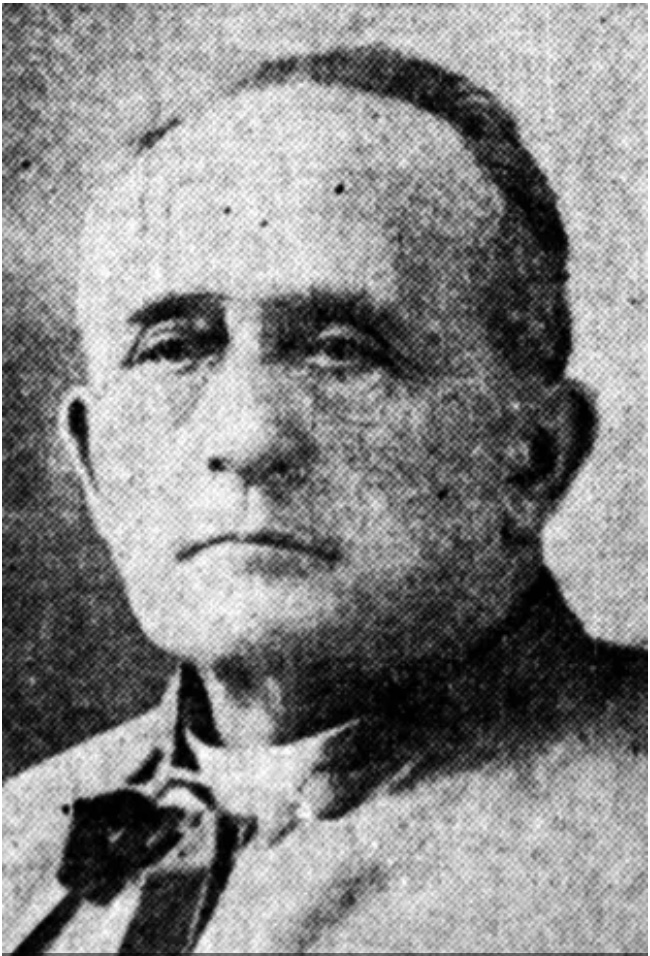
The same challenge was faced by French-Canadians and French-Americans. In Canada, the La Caisse Populaire de Levis (The People’s Bank of Levis) in Quebec opened, modeled after the one operating in Germany. Monsignor Hevey, through counsel from The People’s Bank in Levis, opened a financial institution based on the same proposition and he called it St. Mary’s Cooperative Credit Association.
St. Mary’s Cooperative Credit Association was a non-profit institution owned by the customer/depositors. Those interested in becoming a member in the Credit Association were required to deposit $5.00 with the institution. It was first operated out of the living room of a home.
According to the New England Historical Society:
On April 3, 1917, the New Hampshire Legislature allowed the credit union to change its name to La Caisse Populaire Ste. Marie (Bank of the People, St. Mary’s). A further change came on April 28, 1925, that allowed the credit union to use its 1917 designation or be known as St. Mary’s Bank.
Today, St. Mary’s Bank is known for being the first credit union opened in the United States.

longchampselectric.com
 old spirituals
Margaret T: Thanks for the confirmation.
LikeLike