Only through pure luck did an 18th century New Englander by the name of Zadoc Benedict discover how to produce felt. Desperate to plug a hole in his shoe, Benedict filled it with animal fur, a commodity in abundance because of the number of trappers in the area catching beaver and rabbit for human use.
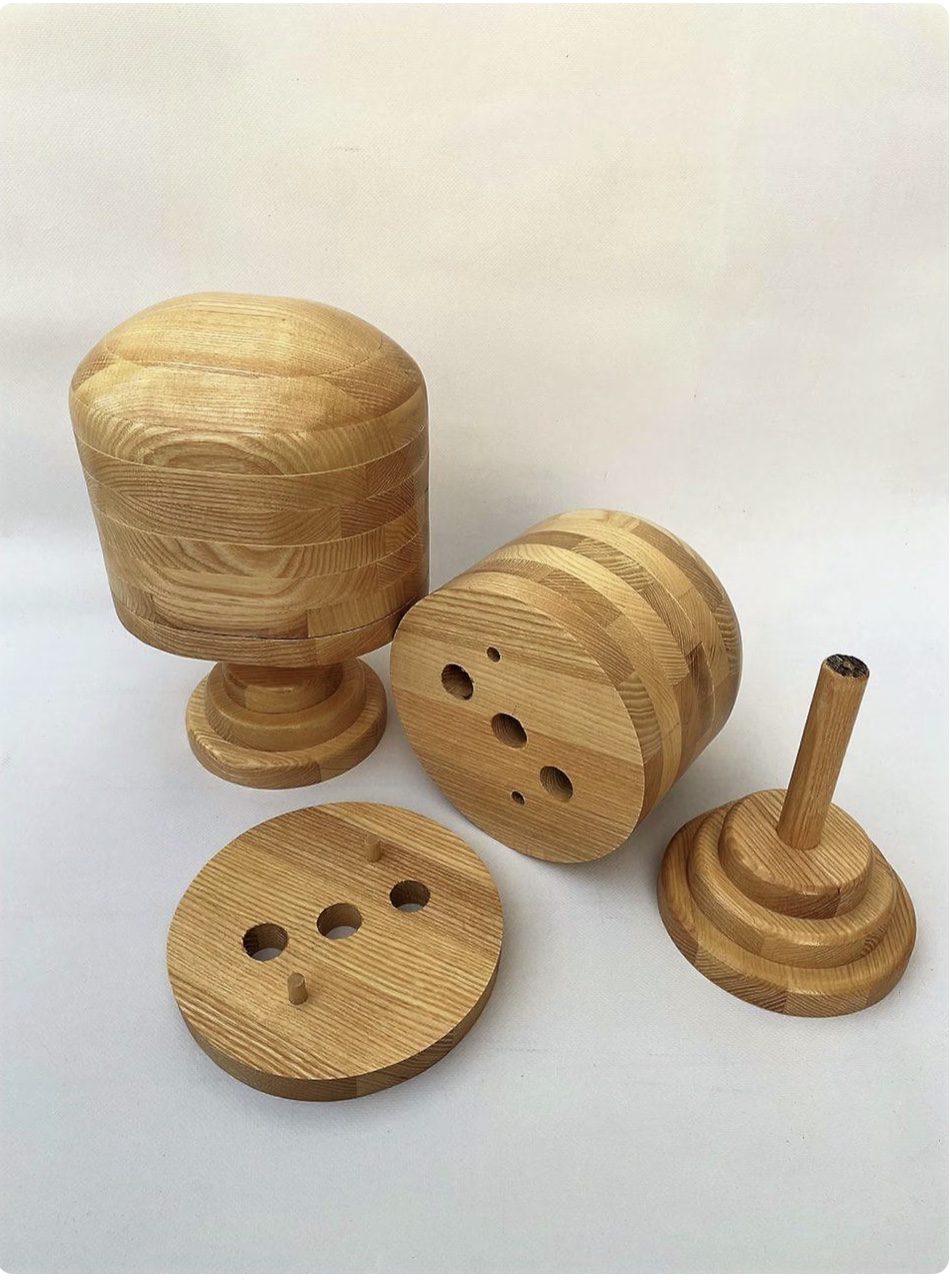
Over time, Zadoc discovered that perspiration, heat and friction made the fur into felt. From that accidental discovery, Benedict started making felt hats from fur using his bedpost at home to form and shape his hats.
Sidebar: Felt that dates back to the 5th century BC was discovered by archeologist inside frozen burials of a nomad tribal chief, so Zadoc Benedict was not the original discoverer of felt. He was the person who gave birth to the felt hat industry that thrived in Connecticut, specifically Danbury, for many decades.
Benedit’s hat making business grew, moving him to open a hat shop on Main Street in Danbury, Connecticut. His business was so successful that he hired a journeyman hat maker and two apprentices, and the three were able to produce several hats per day for sale to the general public. By 1900, a felt hat cost about $5.00, the equivalent to a week’s wage for many workers.
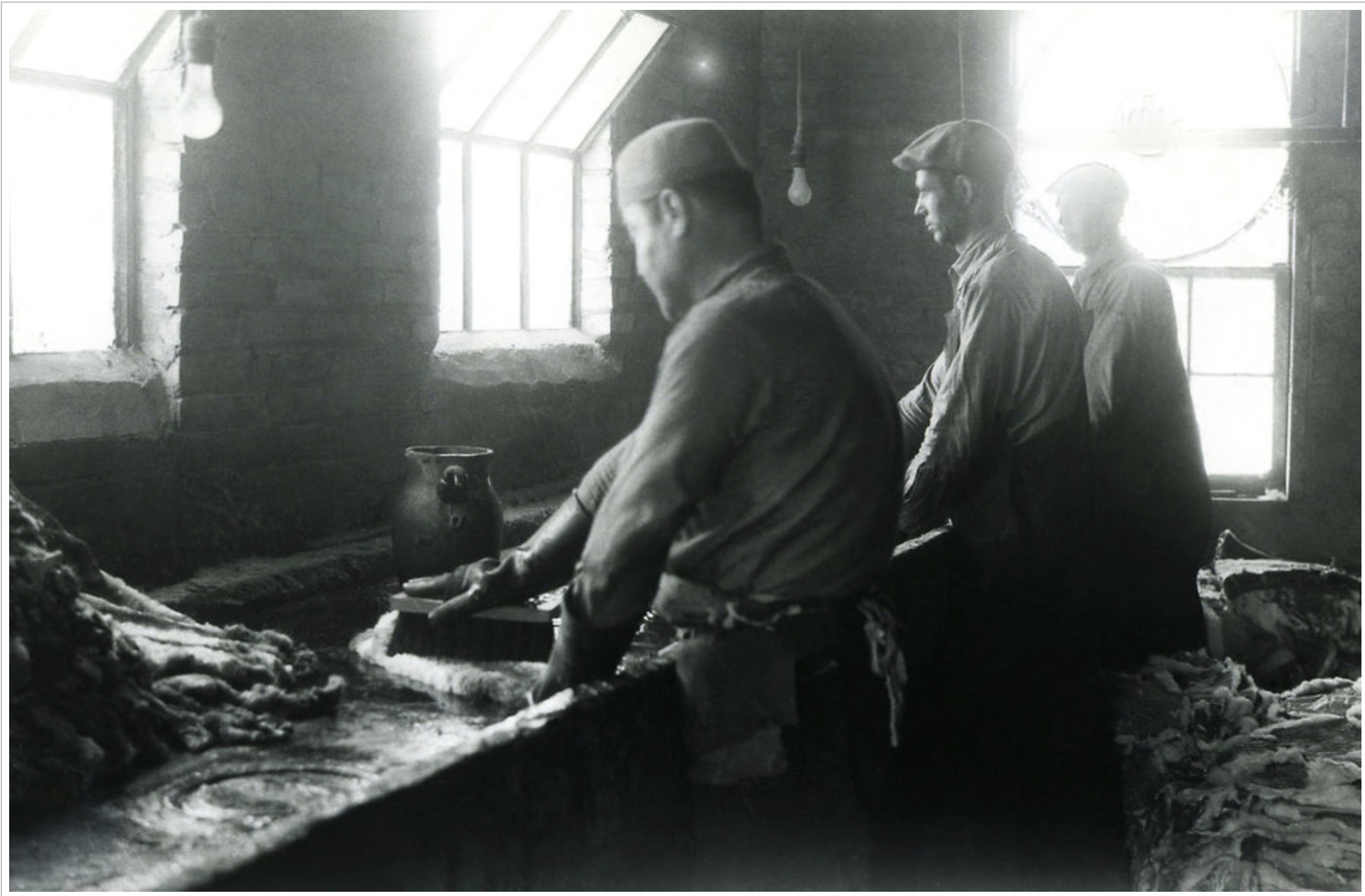
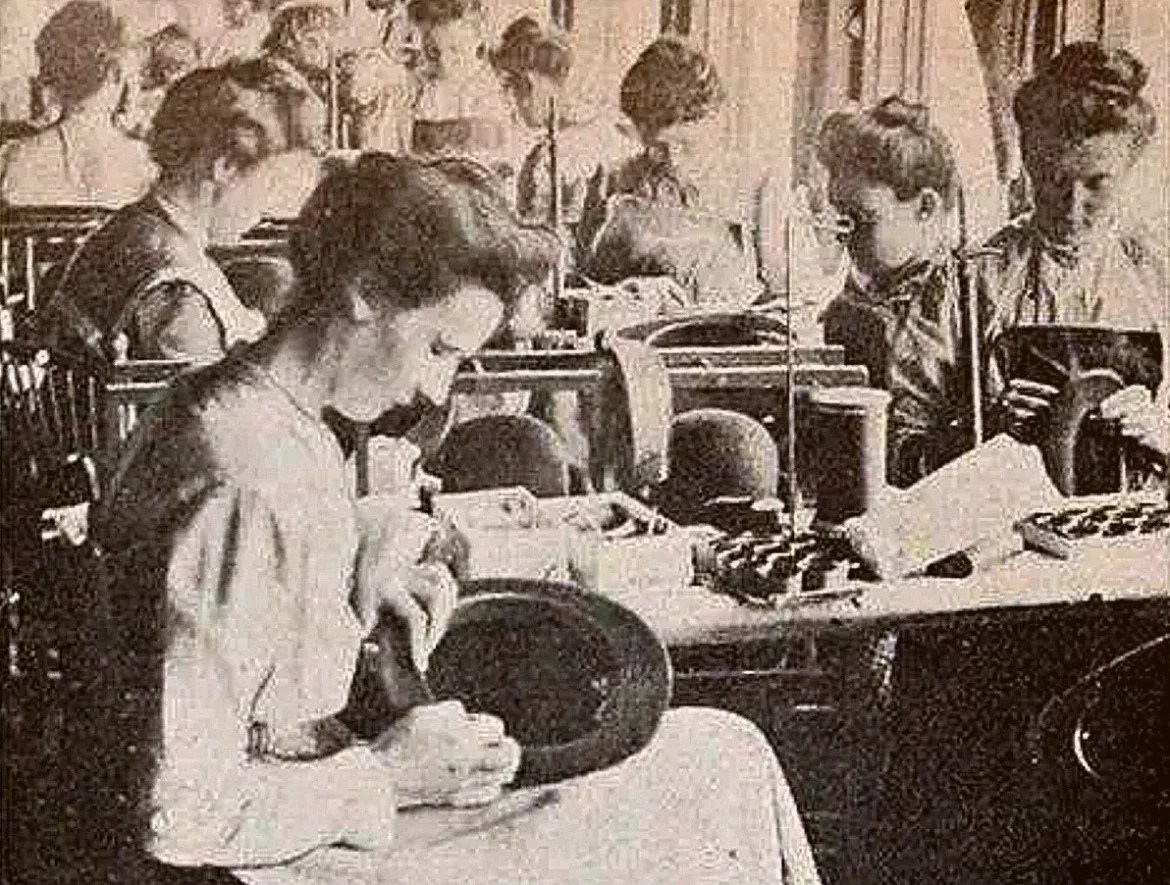
From Benedict’s small enterprise, the hat making industry in Danbury, Connecticut grew to over 50 shops by 1809, each employing up to 5 persons per shop. According to connecticuthistory.org:
Hatters softened and dyed the felt through an 18- to 20-hour boiling process, molded the pieces into their proper shape. They then rolled the hats up by twos into paper and placed them in a linen bag, and from there, into a leather sack for shipment to New York by coach. Once in New York, craftsmen trimmed and finished the hats.
Hat making had a positive impact on to the Danbury economy, but with it came the scourge of a terrible disease. The symptoms of the disease are first manifested as tremors, coarse jerky movements that starts in the fingers, spread to the eyelids, lips and tongue. As the disease progresses, tremors develop in the legs and arms of the person inflicted. In advanced stages of the disease a person suffers from personality changes and memory loss. It was called “Danbury Shakes” in that area of Connecticut and in other areas of the world it was called “Mad Hatters Disease.”
The Mad Hatter in Lewis Carroll’s novel Alice In Wonderland, written in 1865 England, is based on the well known Mad Hatters Disease.

It was not until 1829, in Russia, that the cause of The Mad Hatters disease, today called Erethism, was connected to the use of mercuric nitrate in the felt-making process. Mixed with hot water, the mercury holds the fur together as a singles piece of fabric to produce felt.
By the mid-20th century, regulations and awareness of the dangers of mercury led to its outright ban in most modern countries, including the United States. Hydrogen peroxide is now commonly used as the replacement for mercury in the felt-making process.
One of the most common felt hat styles in the late 19th and early 20th centuries was the man’s bowler hat, often worn by British, Irish and American working classes. It eventually became popular among middle and upper classes in the early 1900s.
A comedy team well known for their average man roles in early “talkie movies” wore a felt bowler. It was a piece of their trademark apparel, along with their slapstick antics and physical comedy. That duo was “Laurel and Hardy.” One could not find a comedy duo more culturally different; Stan Laurel was born in Lancashire, England and Oliver Hardy was born in Harlem, Georgia. Nonetheless, both wore a felt bowler hat, together making a formidable comedy team.
![Laurel and Hardy, 1938. Stan Laurel took his standard comic devices from the British music hall: the bowler hat, the deep comic gravity, and nonsensical understatement.[26]](https://oldspirituals.com/wp-content/uploads/2025/12/2560px-stan_laurel_and_oliver_hardy_-_1938.jpg)
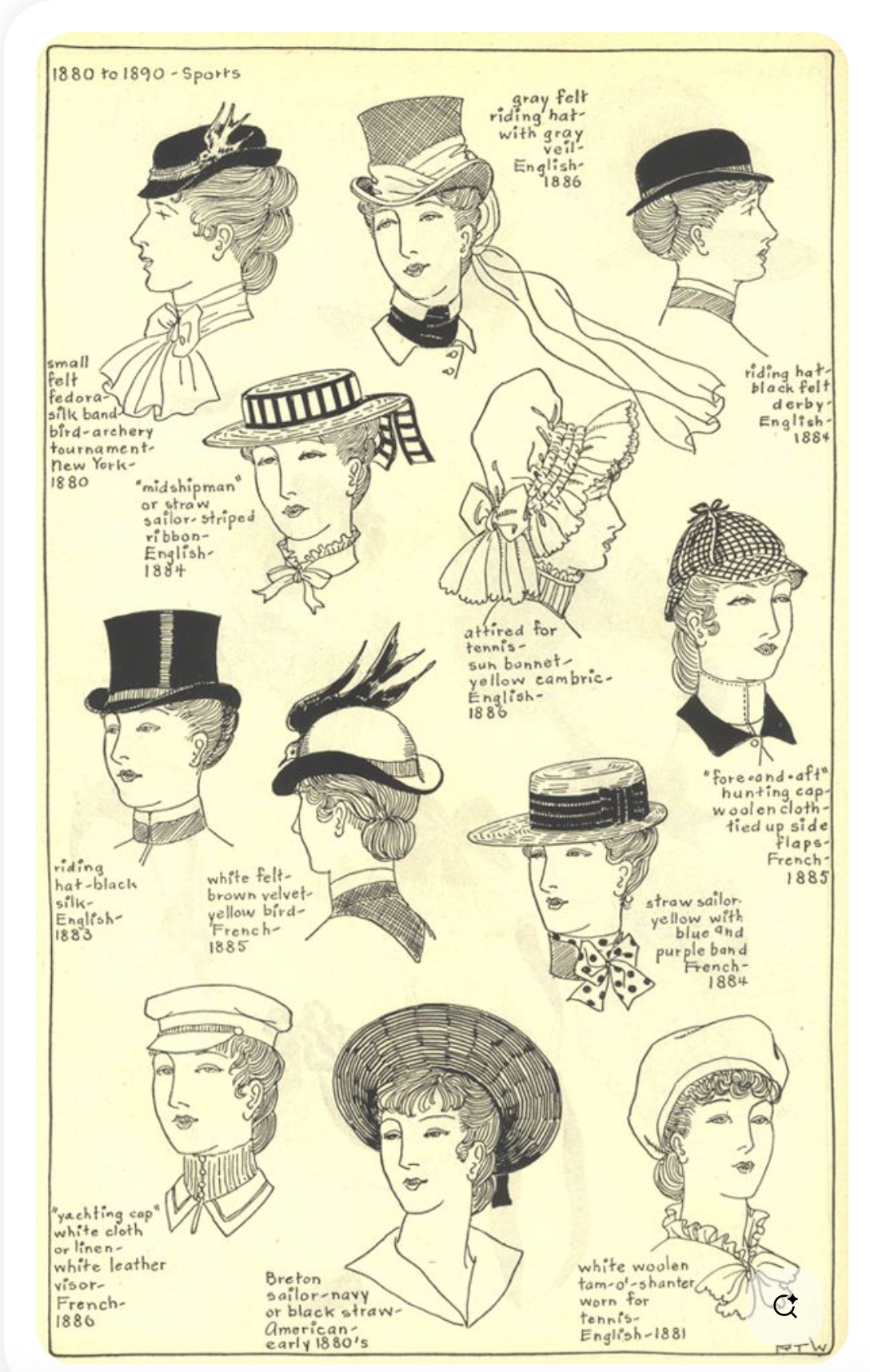
Women also donned hats made of felt in the 19th and 20th centuries.
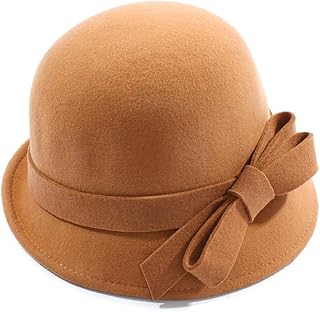
Felt hats continue to be popular today. Many felt blanks, unfinished and beautifully finished hats are sold over the internet. An example is this Ladies Wool Felt Bucket Hat sold on Amazon.
While on a business trip many years ago, I landed in New Orleans on a day of torrential rain. I couldn’t find an umbrella for sale in the airport but I did find an Indiana Jones style hat made of wool felt that was water repellent. That hat is still on a shelf in my closet. It has withstood the test of time. It is superior in design and functionality compared to any baseball cap now the rage among men.

So keep your head covered with a good hat. As said by Leon Redbone, a singer-songwriter-musician of ragtime and jazz, “Home is where you hang your hat.”

To enjoy a sampling of Leon Redbone music, listen to his recording of “Lazy Bones” on youtube.com.
 old spirituals
The Mad Hatter is one of my favorite characters in fiction. This is a wonderful deep dive, Nicola!
LikeLike
I refer to this as a “ripple effect” story, because one historical event “ripples like water in a pond” and influences other historic events.
LikeLike