Preface
A murder not only cuts down the victim’s life, it also cuts down, metaphorically, the life of the murderer and many others. One such case occurred in 1907. In the subject case, the Catholic Church, an entire church congregation, the hamlet outside a small town and an entire geographical area, known as the Leelanau Peninsula, were affected. To this day the series of events are spoken and written about. It is a saga with tentacles that touch many aspects of American and European history – making it worth repeating.
Prologue
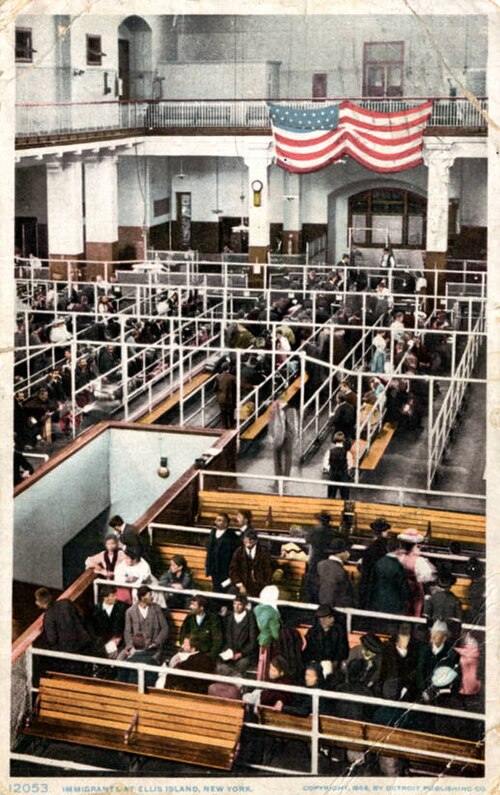
A large Polish contingent immigrated to the United States from the 1850s and onward, most coming from the three (3) German ruled provinces, one on the Baltic seacoast. Overpopulation and numerous forms of discrimination and German “assimilationist policies” caused resentment among the Polish people. That resentment influenced many to leave their ancestral homeland for freedom and a new life.
The many that immigrated to the United States first settled in Milwaukee, Wisconsin, attracted by enticing letters from relatives and friends already living in that city. (Over time, Poles settled in cities in the northeast and midwest of the United States, too.) Ironically, it came to be that the Poles in Milwaukee were the second largest immigrate population in the city, the largest being the German population.
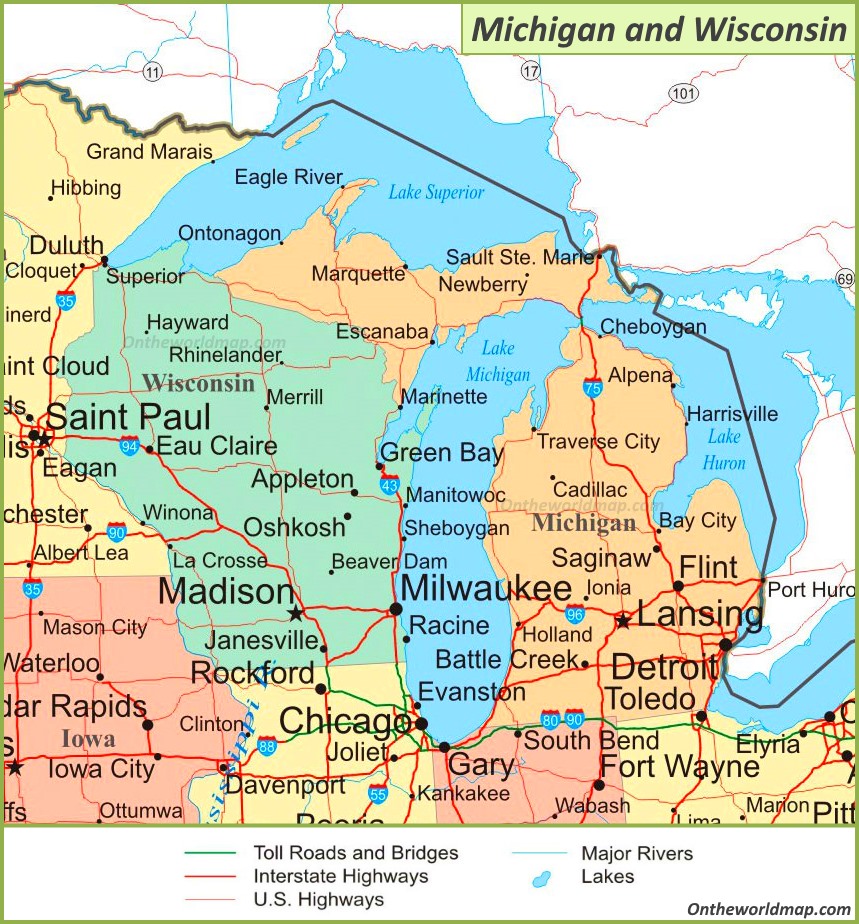
Once in Milwaukee, Polish immigrants experienced similar treatment. They were excluded from good paying jobs and, thus, the ability to do business with financial institutions. They were being shutout from achieving the American dream. With no way to support their family, and with the help of various Church and Polish organizations like the Polish Union, a group banded together and relocated to Chicago and across Lake Michigan to start yet again “in the ‘pinky’ of lower Michigan.”
Many Polish immigrants were agrarian and wanted to be a landowner, or “gospodarz” as it was called by them. Those that could, saved money to move to Michigan and purchase land through the Homestead Act of 1870.
Sidebar: In the 1880s, Polish immigration to Detroit started. By 1904 the City of Detroit had 13,000 Polish people. By 1925 the number of Polish origin living in the City increased to 115,000.
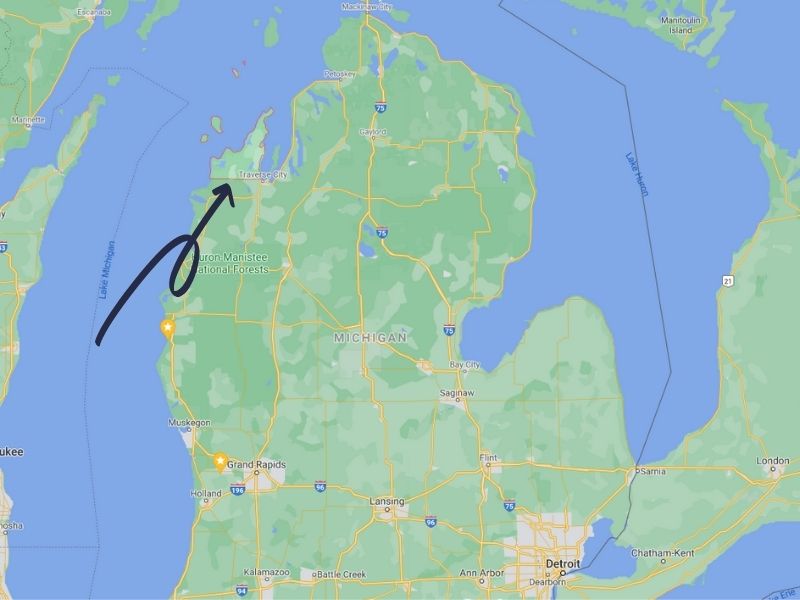
Named the Leelanau Peninsula, the colloquial name of “pinky” comes from its geographical attachment to the lower part of the State that is shaped somewhat like a left hand. The name “Lower Michigan” is meant to differentiate it from what is commonly called the “Upper Peninsula,” or “The UP” to “Michiganders.” It is a huge part of the State that is connected to Wisconsin, yet separated by Lake Michigan from the lower part of the State.
Michigan’s Leelanau Peninsula is known for the historic Fishtown district in the town of Leland, “. . . the site of the oldest and largest Ottawa village on the Leelanau Peninsula.” The Battle Creek Enquirer of Thursday, August 29, 1907, described the town:
The hamlet [that] lies in the deep cedar forest, two miles off the railroad which winds up through the woods and the sand hills of the peninsula that stretches between Lake Michigan and Grand Traverse Bay. A convent, a doctor’s residence, a blacksmith shop and a general store constitute the village.

The account that follows took place on the Leelanau Peninsula, outside the town of Leland, in a hamlet by the name of Isadore, Michigan. Back in 1907, Isadore was not much more than an intersection of two roads, South Schomberg Road and County Road 645. Despite the Peninsula’s limited notoriety, it is known for one thing that kindled Statewide and National interest in 1907 . . . . the disappearance of Sister Mary Janina.
Sidebar: Today, Isadore is an unincorporated area of Centerville Township with a population of 1,243, based on the 2020 Census. It is cluttered with abandoned buildings and referred to by some as a “Ghost Town.” It still features the Holy Rosary Church and the school building that was closed in 1999 to students. Isadore has historical significance because it was founded in the late 19th Century by Polish immigrants, known at that time as “Four Corners.”
Sister Janina’s Early Narrative
One Polish immigrant was Josephine Mezek, who came to America with her parents as a child. Josephine’s father died in a traffic accident when she was 8 years old. (Other newspapers reported he was unjustifiably shot by a Chicago police officer in the Bohemian Club’s bar while pursuing a criminal.) His death caused her mother’s mental deterioration which resulted in her eventual confinement in the State of Illinois mental institution. Josephine, at age 9, was sent to an orphanage outside Detroit, Michigan, administered by the Catholic Order of Felician Sisters of Livonia, formally known as the Congregation of Sisters of St. Felix of Cantalice – Third Order Regular of St. Francis of Assisi.
Sidebar: The Felician Order arrived in America in 1874, at the invitation of the pastor of St. Joseph Parish in Polonia, Wisconsin. Eventually a contingent relocated to Detroit, Michigan.
Once inside the Mother House of the Felician Order, Josephine was educated and trained to live the life of a Felician nun.
Some believed Josephine may not be fully committed to the life of religious devotion because she was fun loving and very sociable; and, because she enjoyed a walk in the woods, singing as she strolled. (It was said she had a very nice singing voice.) Because of her personality, Josephine had a great rapport with the older nuns, but the fact remained she preferred to engage in conversation rather than the study required to prepare for a life as a Felician nun. Others also believed her beauty may influence her monastic devotion.
Josephine took her first vows in 1892 at age 18. The contention of her feigned desire to become a Felician nun was somewhat self-fulfilling when she finished last in her class of 22 novitiates. The only life Josephine was exposed to from age 8 to 18 was inside the Felician convent. She never experienced the outside world in the manner other young woman her age experienced it. What she knew of the world outside was limited to what she knew as a child; since then, Josephine knew only monastic life.
When she took her final vows on August 25, 1901 at age 27, many suspected that a taste of life outside the convent would weaken her dedication and resolve to remain a Felician nun. Nonetheless, Josephine Mezek decided to wear the black wool religious habit of a Felician nun her entire life. Josephine took her final vows and the religious name of Sister Mary Janina.

Sister Janina On Leelanau Peninsula
Sister Janina was assigned to the remote parish in Isadore, Michigan, when she contracted tuberculosis. The assignment in the climate of northern Michigan would be beneficial in combating the disease. That remedy was especially common in the Felician Order because its foundress, Angela Truszkowska (Blessed Mother Mary Angela), recovered from the disease following the same protocol.
Isadore, Michigan, had the Holy Rosary Catholic Church and school for the predominantly Polish population; it had been built in the late 1800s by the Polish immigrants. Returning to the Mother House in Livonia when school was closed during the summer, which was the usual practice, was believed to be ill-advised in the summer of 1907 since the trip might be more than Sister Janina could withstand.
Towns people and parishioners admired Sister Janina, now age 33, and also the Mother Superior at Holy Rosary Church’s convent. Parishioners saw Sister Janina as an asset of the of parish. As was the case at the Mother House in Detroit, her extroverted personality and interpersonal skills enamored the children in the school, their parents, the other two nuns at the school and the church’s Pastor. Sister Janina maintained that demeanor despite her illness.
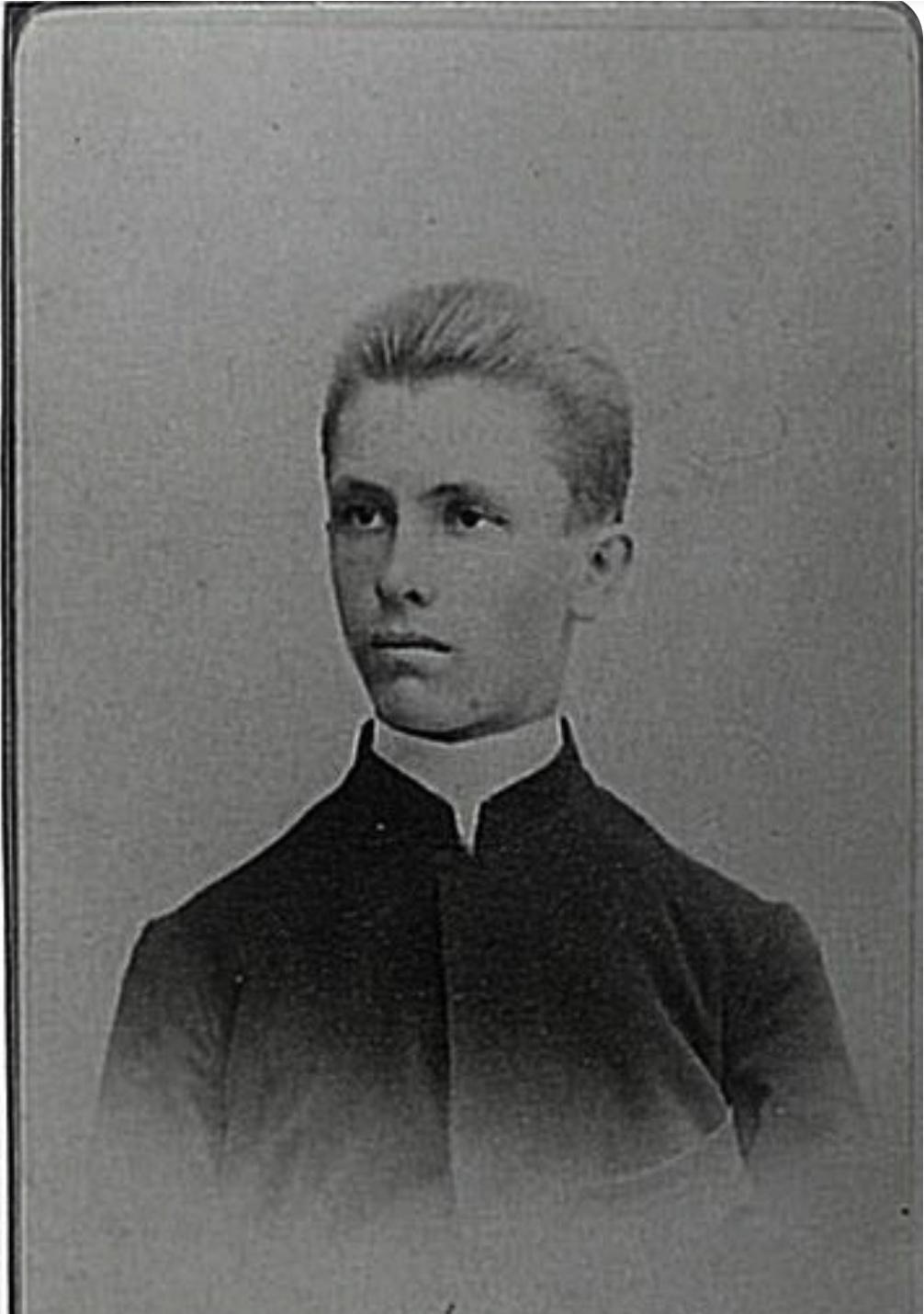
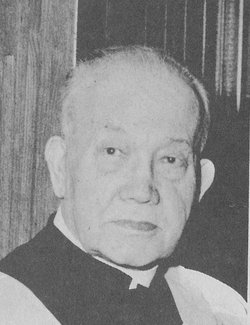
The priest stationed at Holy Rosary Church was Father Andrew Bieniawski; he had arrived at Isadore in 1900 as Pastor of the parish. Father Andrew was also 33 in 1907 and others observed that he and Sister Janina worked well together. Also arriving with the priest was the rectory’s housekeeper, Stanislawa “Stella” Lipczynska and her daughter, Mary. Mrs. Lipczynska was described as an “old country,” plain woman who spoke little or no English. “Her one love in life, after her daughter, was the [protective environment of the] church.” Her husband died 1892, consequently resulting in her devoting her life completely to the church.
Most of the people living in the area were either new immigrants or first generation. Many could speak only a few words of English. The lives of the Polish residents (9 out of 10 residents were Catholic) were guided by the influence of the Church headed by Father Andrew. The priest was known to be a forceful man; a man of few words, “never using two words when one would do.” He was described as “a big man, close to six feet tall, and cut quite an impressive figure in his black cassock.” Father Andrew was seen as strict with students, never reluctant to mete discipline even for minor infractions.
All the parishioners knew the priest and nuns. As was common practice, the nuns also performed duties associated with the administration of the church and did preparatory work required to conduct religious ceremonies in addition to their teaching responsibilities at the school. They also cared for the children that boarded during the winter because the hazardous, cold winters prevented them from commuting each day.
The Eventful Day
Fishing was prominent throughout the Leelanau Peninsula. Like the members of his parish, a favorite past-time of Father Bieniawski was fishing during all the seasons of the year; parishioners viewed it as an escape from the demands of his ministry. Father Bieniawski was such an avid fisherman that he usually went three times per week. (Another hobby of the priest’s was to grow flowers for the bee hives he kept near the church. Flowers to this day are kept in front of the church.)
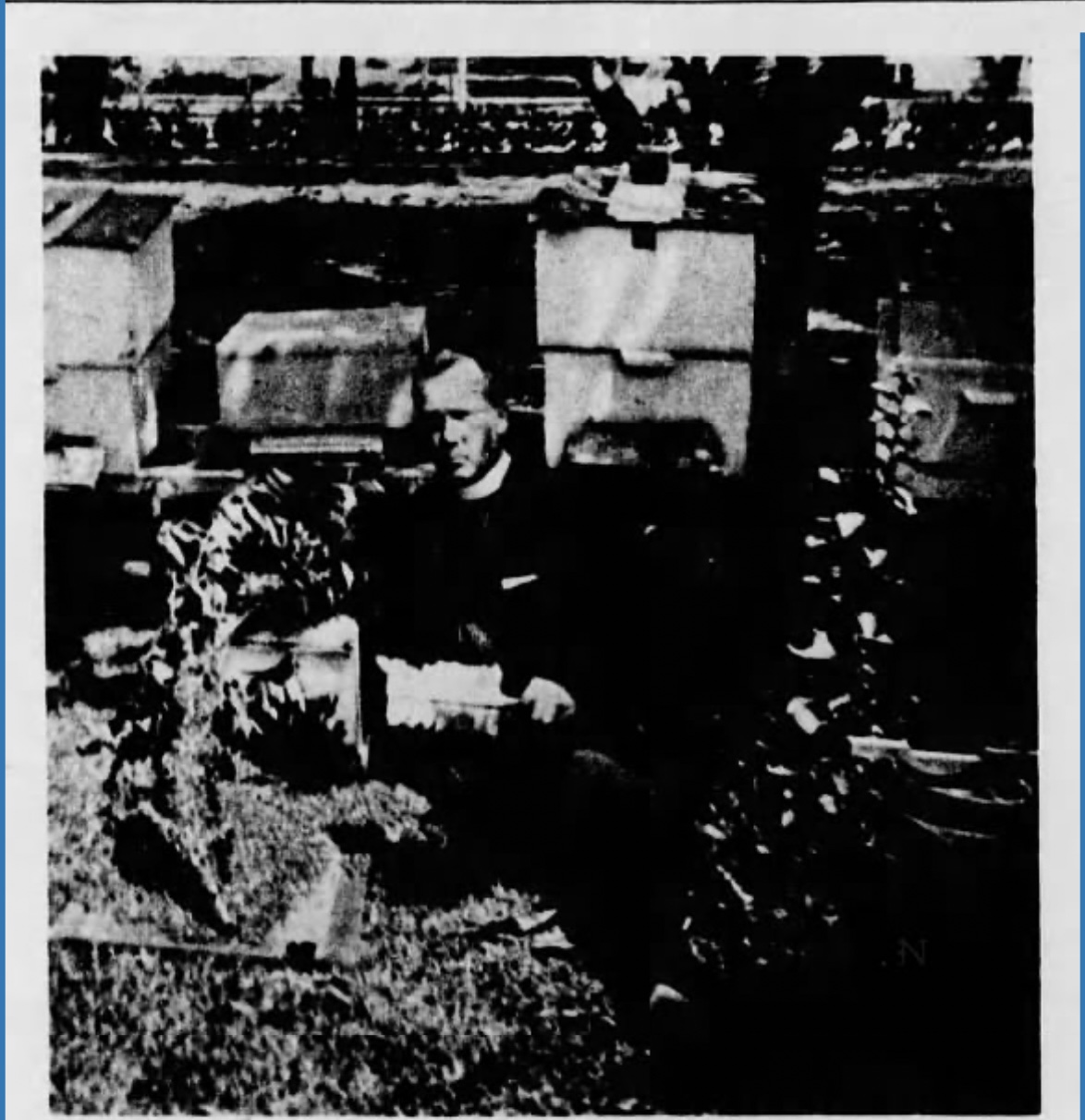
It was not uncommon when on Friday, August 23, 1907, Father Bieniawski went fishing in the wonderful 80º weather that lasts only a short time in northwest Michigan. As quoted in the local newspaper and again documented in The Detroit Free Press, the priest regularly said, “God does not subtract the time I spend fishing from my allotted time on earth.”
Around 12:30 p.m. on that fateful day, the priest loaded his buggy and left from the church with his 16 year old (half) sister, Susan, and the chore boy who worked around the parish, Gus Gruba. As the priest and his charges rode the buggy out of town on the dirt road that lead to Carp Lake (now Lake Leelanau), they were seen leaving by the rectory’s housekeeper, “Stella” Lipczynska. Also witness to their departure were “Stella’s” daughter, Mary, and the three nuns who were preparing the church for coming visit by the Bishop. The tranquility of the day, unfortunately, would be interrupted.
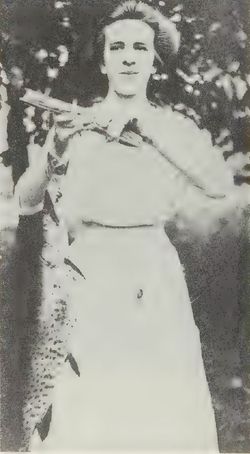
Like Sister Janina, Sister Angelina and Sister Josephine remained in Isadore for the summer because they too were tubercular. Since no children were being cared for during the summer, they napped each afternoon to help improve their condition. August 23 was a Friday and the nuns were preparing the church for the weekend religious ceremony, each working as a team on different duties. Though she was the Mother Superior, Sister Janina was younger than the other two nuns and volunteered to retrieve the needed paper flower decorations from the basement. She informed the other Sisters that she planned rest in her room after that chore was completed. (Referred to as a “cell” by some.) The other Sisters followed suit.
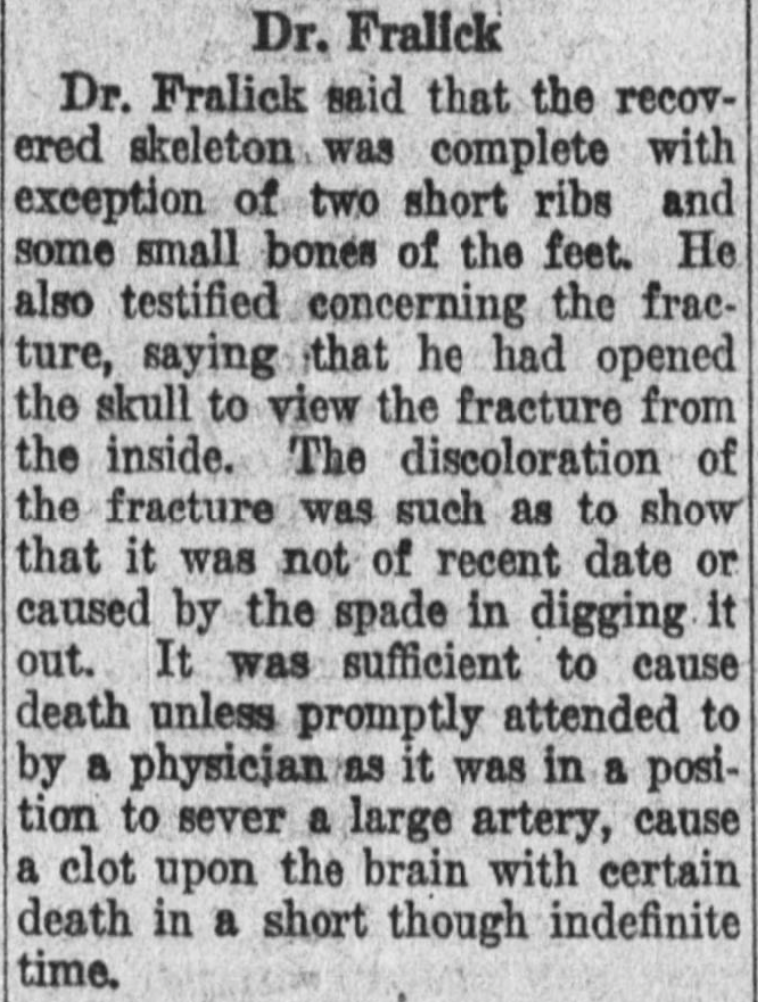
Stella, the housekeeper, had baking to do for Father Andrew and the others living in the church community. (One source said Stella was helping her daughter fit a blouse Susan made for herself.) Stella didn’t much care for Sister Janina, often scoffing about her to parishioners. She is quoted as having said, “That one is no good as a nun. Her duties go unfinished.” Stella also felt it inappropriate whenever Dr. Fralick and Father Andrew attended to Sister Janina ALONE in her room. It was outrageous behavior as far as Stella was concerned and she routinely commented to women parishioners about those occurrences.
The Search
Sisters Angelina and Josephine awoke from their nap and went to see Sister Janina. The two nuns could not locate the Mother Superior but found her prayer book and rosary (prayer beads) that she ALWAYS carried. Both were on the windowsill in her room.
The sisters started their first of multiple searches for Sister Janina. Mother Superior often liked to hike in the woods among the cedar trees and around the swamp, but there were no such evidence or sounds of her doing her favorite activity.
When Father Andrew and his companions returned from fishing a large search group was organized; Father Andrew authorized and paid for a local sheriff and his bloodhound in hopes of finding Sister Janina. He even acquiesced to using a clairvoyant. Locals reported hearing signing in the swamp at night. Someone even reported seeing a woman walking along the fence at the edge of the swamp. Another report was that a figure was observed carrying a “lighted candle, pushing her way through the cedar trees” at night. Because of those reports, a watch was stationed in hopes of finding Sister Janina. Despite all the efforts, what happened to the nun went unanswered for a very long time.
The Discovery
It was 1918, 11 years after the disappearance of the nun, that the new priest at Holy Rosary Catholic Church, Father Edward Podlaszewski, decided to replace the original clapboard church building with a new, more impressive Roman style church. Father Podlaszewski was anxious to receive the thirteen stained glass windows he ordered from a well known Vatican artist in Munich, Germany. They were being stored in sawdust awaiting shipment to him in Michigan, but World War I just ended and conditions were not good enough yet to ship them to America.

Father Edward had to make sure that the construction site was “clear” before crews demolished the old church to build the new one. It would be unimaginable if the body of Sister Janina was discovered by the construction crews or, even worse, members of the parish helping to construct the new edifice. One report is the priest was told by the Bishop that Sister Janina may be buried on Church property. Supposedly, the Bishop knew because “a priest informed him of the details told him by a woman in confession.” (It is speculated that the priest that replaced Father Bieniawski, Father Oprycholdski, told his replacement, Father Podlesweski, of the woman’s confession.)

On a November night, with the help of the Church sexton, Jacob Flees, Father Edward decided to dig in the dirt floor of the basement under the old church. As luck would have it, using potato pitchforks and lanterns, the Priest and the sexton discovered the skeletal remains of Sister Janina. More than that, cradled in the remains of the nun, they discovered the skeleton of a fetus.
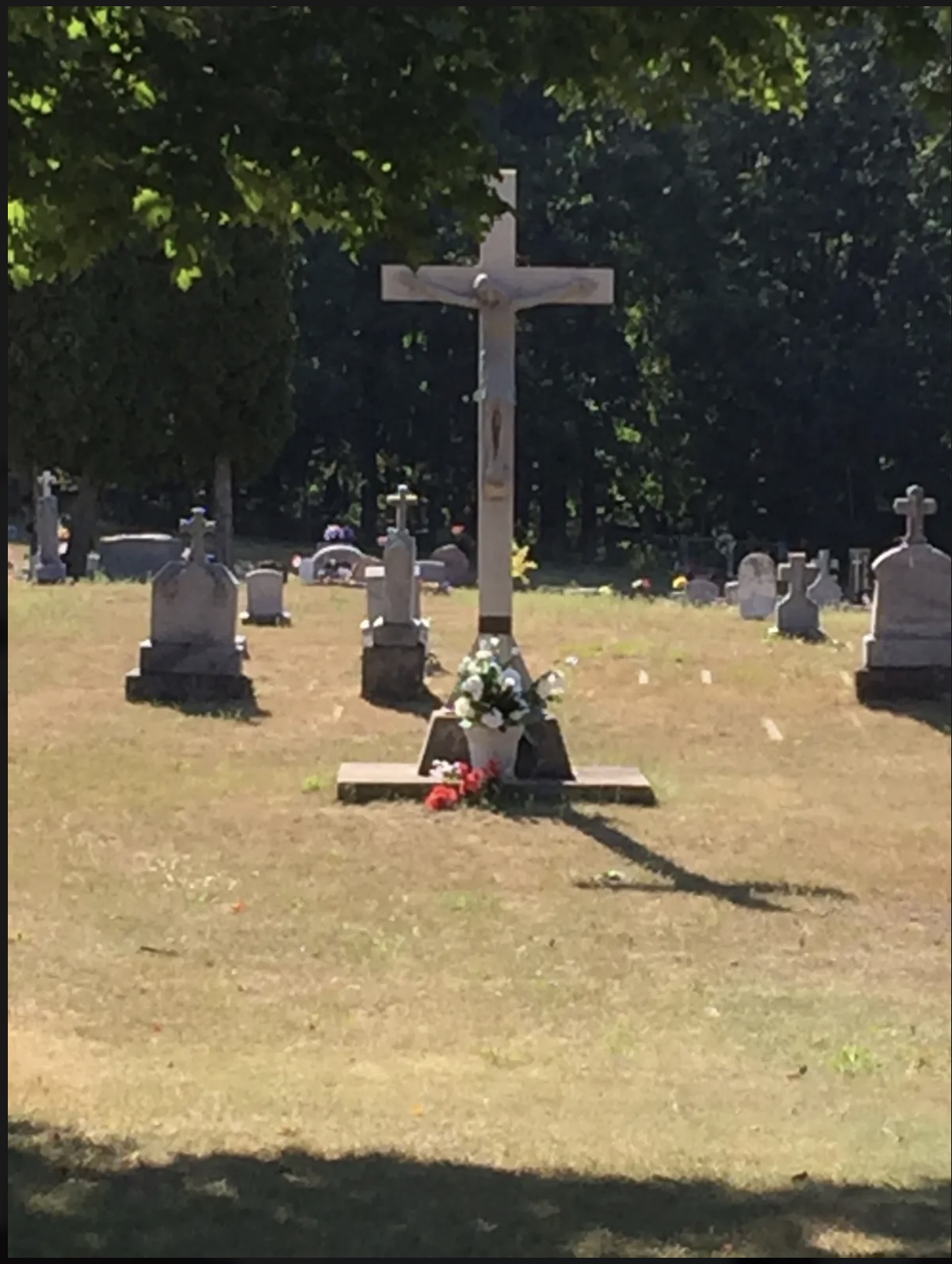
The two men decided it best not to tell any one of the discovery, not even Flees’ wife. Sister Janina’s remains were placed in a wood crate and buried under the large cross in the church’s cemetery. Much of the secrecy had to do with the blatant discrimination the Polish Catholics in Michigan faced, so bad events such as the discovery of Sister Janina’s remains were kept “close to the vest.”
The Murderer
It was not until a teenage girl revealed the discovery to her father that the public became aware of the find. The teen, who worked as a housekeeper at the Church, with the knowledge of the girl’s father, was taken by Father Podlaszewski to a hospital in Ann Arbor, Michigan, for prenatal care. The baby was then to be adopted. The teen did not reveal the name of the father at that time.
Everyone knew of the “singing nun” who suddenly disappeared over a decade earlier, including the pregnant teen. What is known is that the priest, on the return trip from Ann Arbor weeks later, divulged the discovery of Sister Janina’s remains to the young woman. Likely caused by the young girls own situation, she reveal the discovery to her father, who immediately told the sheriff. The teen also revealed the father of her baby. . . . Father Podlaszewski!!!
The priest was put on trial before the church leaders in Detroit and, for repentance, was reassigned to the Great Smoky Mountains in Kentucky for THIRTY days. After that penance he was moved to the Warszawa area of Cleveland, Ohio to work for another priest.
Conclusion
This post is already longer than I planned it to be, but history is often a saga. The fact is the investigation of the murder of Sister Janina ended in Stanislawa “Stella” Lipczynska, the housekeeper, who accompanied Father Andrew Bieniawski to the parish, being charged and convicted of the nun’s demise. “Stella” was still working for Father Bieniawski at the time of her trial. Stella seems to have had a deep hatred of Sister Janina, so deep that she decided to eliminate her from the life of the priest. Perhaps she knew of the true relationship between Sister Janina and Father Andrew and decided she had to stop it.
Regardless of “Stella” Lipczynska motive, she was found guilty based on her confession. According to restless-viking.com:
A Polish speaking female detective, Mary Tylicka, was put in the cell with Stella posing as an arrested criminal to try to befriend Stella and have her confess. Tylicka submitted the following statement claiming Stella had confessed, “First I stunned her. Then I went out into the garden and got a spade. I dug a hole under the church, dragged the body to the hole and put it in. As I was trying to cover the head, it would always rise up. I threw two or three shovels of dirt on the head, but each time it rose up. Then I took the backside of the spade and knocked the Sister three times on the head with all my might.” (“Isadore’s Secret” by Mardi Link.)

Stella maintained her claim of innocence after her arrest and the entire duration of her imprisonment. Over time she gained a command of the English language and she repudiated the confession she supposedly made in the jailhouse to the female detective. In January 1927, the outgoing Governor of Michigan, Alex J. Grosbeck, paroled Stella under the authority granted him as Governor. Stella was 56 years old and, allegedly, appeared to be suffering from cognitive decline.
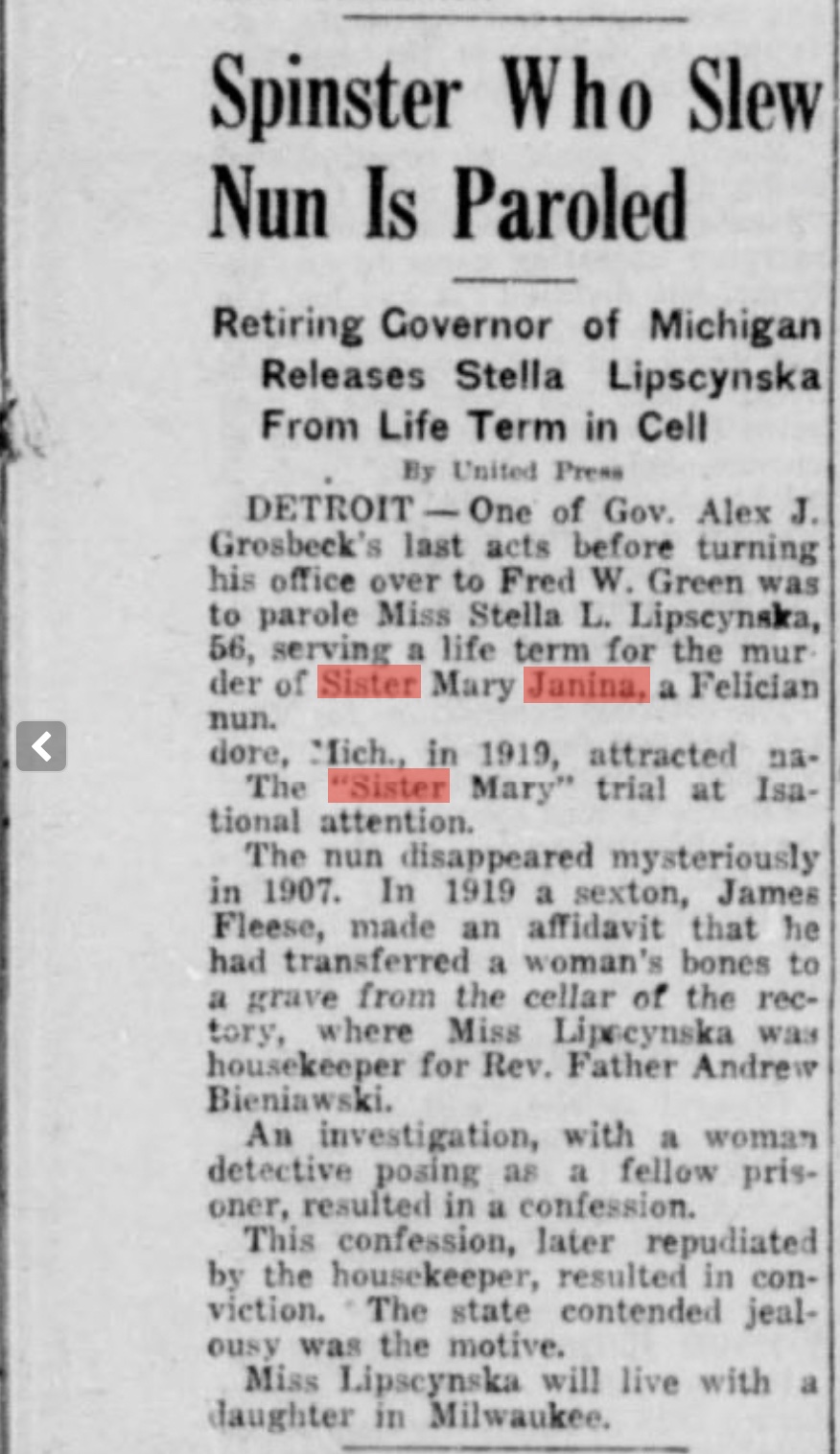
A writer for 9and10news.com reported in August 2025 that “Stella” did not go live a quiet life with her daughter as believed by locals. Rather, she went to work for another Catholic parish in Wisconsin where she worked as a housekeeper for many years.
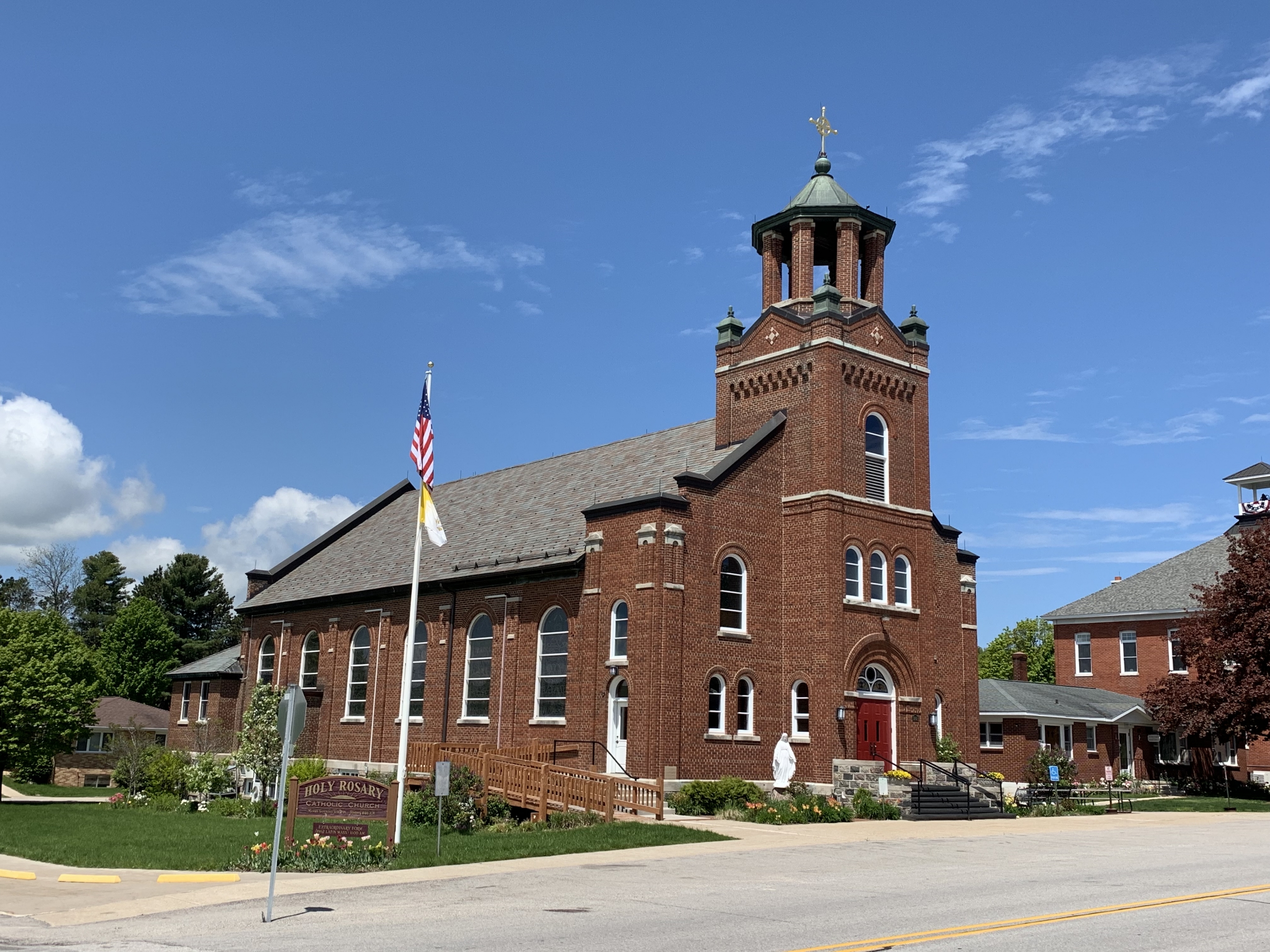
If Stella Lipczynska did not murder Sister Mary Janina, who did? It could not have been Father Andrew Bieniawski as he was away fishing at the time Sister Janina disappeared; an alibi supported by multiple witnesses. Everyone assumes Sister Janina was pregnant as a result of the relationship with Father Bieniawski, but could it have been the relationship with the good Doctor Fralick, the only other man allowed in Sister Janina’s room? Perhaps he didn’t want it known of his relationship with the nun, especially considering the pregnancy. Testimony was given that a “strange buggy” was seen in the area at the time of Sister Janina’s disappearance. But no investigation was conducted to identify who was the owner of the buggy.
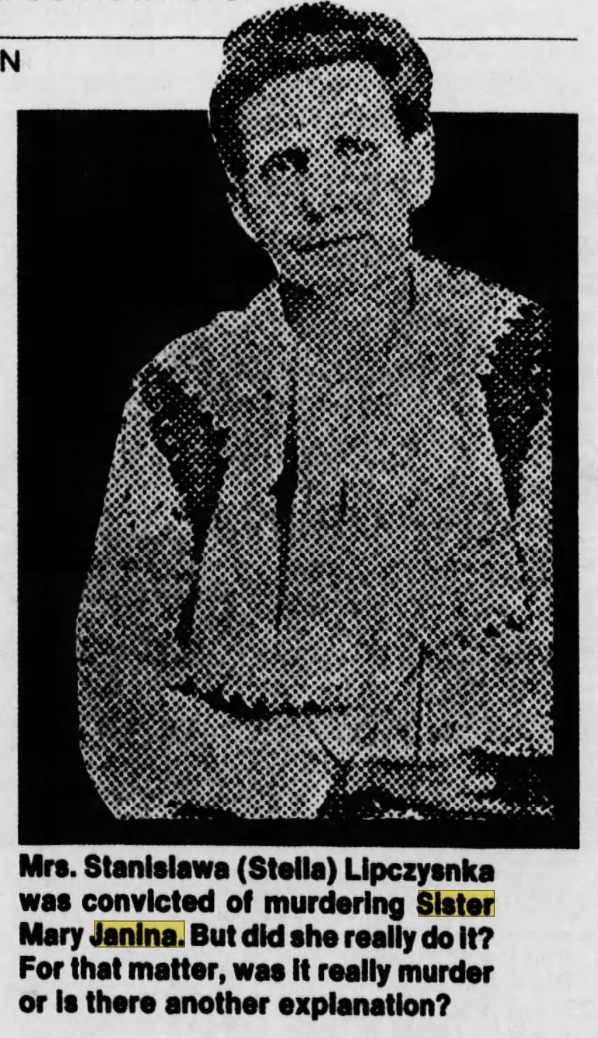
For certain, the murderer had to be a person strong enough to lift and/or move the “dead weight” of Sister Janina to the basement, bury her body and leave the basement within a limited amount of time. Based on the photograph of Stella looking through the bars of the jail, I doubt she, alone, would have been capable of moving Sister Janina’s body. Also relevant is that the basement was search several times when the search took place and nothing was found to be out of the ordinary nor the dirt floor having been recently dug.
Your thoughts and opinions are invited.
 old spirituals