Victoria Alexandra Alice Mary was born on Apr 25 1897. Though she was named after her paternal grandmother, Queen Victoria, she was always known as Princess Mary.
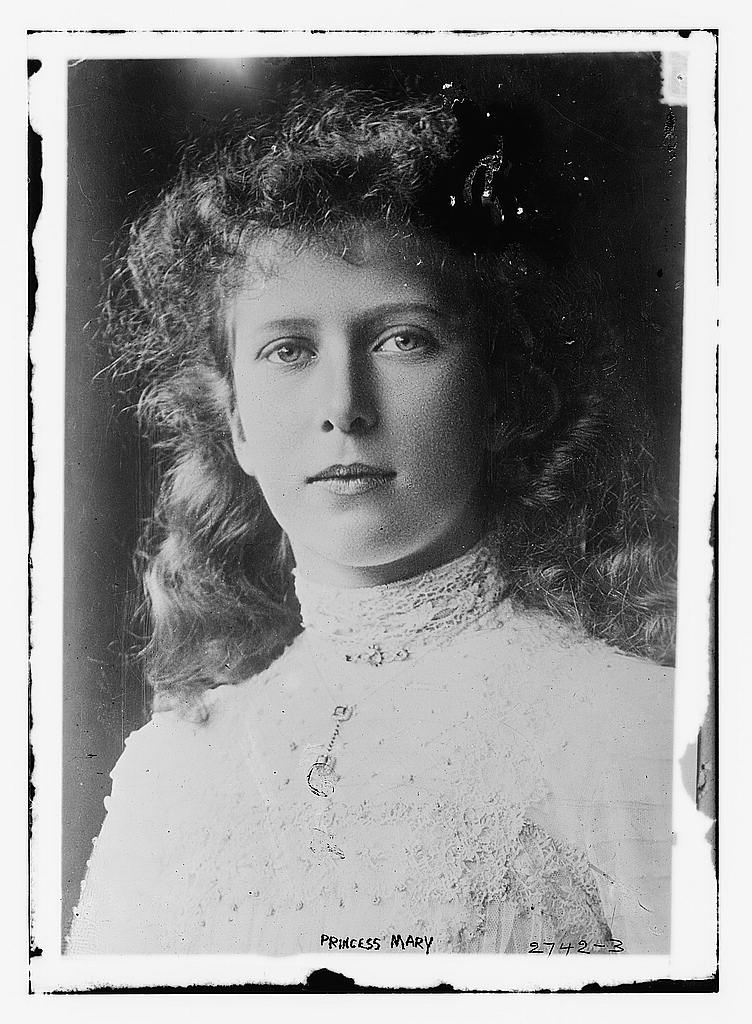
Between 1910 and 1915
She was the only daughter of King George V and Queen Mary, and the late Queen Elizabeth’s aunt. During the Great War when she was a young woman, she did charity work for servicemen; in the Second World War, she was the Controller Commandant of the Auxiliary Territorial Service.
She has quite an interesting vibe about her. I found these pictures of her in the Library of Congress and was impressed by her excellent posture and the air of “presence” she has!

Around 1920

Excellent posture in 1921. Age approximately 24.

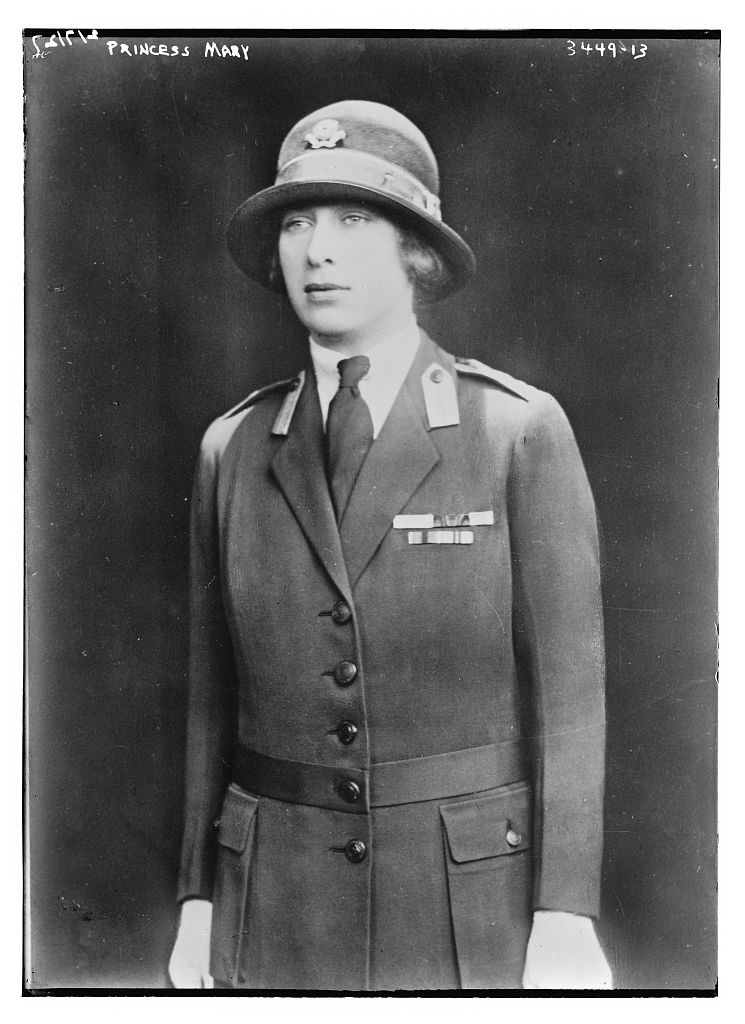
In uniform in February 1927

Formal portrait in 1932, age 35.
I found Mary’s signature to be fascinating. Unlike your regular handwriting, or your script, your signature represents how you would like the world to see you.

Mary’s signature is big and bold, with an upward tilt, indicating optimism. She likely had a big personality. The way she underlined her name is called a pedestal. You often see greeting cards with the person’s name put on a pedestal on the envelope. When a person does this to their own signature, it’s often a sign they believe they belong on a pedestal. Considering her royal birth, that wouldn’t be surprising. And when you take into account how she served her country, it’s quite likely she deserved to be there. She also put a period after her name, which graphologists interpret to be a way of saying, “After me, there is no more.”
Louis XV of France also placed his signature on a pedestal, but there was no period after his name. Instead, he expressed the sentiment: Après moi, le déluge (after me, the deluge).

I didn’t do a lot of research into Princess Mary but I’m guessing that she was a remarkable kind of person. Anyone named after Queen Victoria was bound to be. Whoever leaves the best comment about her wins a free Grievous Deeds audiobook! Don’t be shy about leaving comments. I love to hear from you all!
Note to our friends in the UK: the contest is open to you too!
 old spirituals
I like her hair accessory! Is that a laurel wreath?
LikeLiked by 1 person
I like it too! But I don’t know what it’s called. Anyone else know?
LikeLike
Being a WW2 enthusiast I am aware of how woman played a role in winning the War. England’s Parliament passed The National Service Act that called up for service unmarried women ages 20 to 30. They performed a myriad of duties, one for example was operating the huge search lights used to silhouette the Nazi planes during the bombing of London. It seems that Princess Mary was involved in that service.
America used women as well during WW2. Little known or honored are those who served in the Women’s Airforce Service Pilots program. Women were trained to fly the various military air craft and ferried them from factory to military bases and departure points across America. They also towed targets for men in training. There were over 1,000 women pilots in the program; 38 lost their lives in the line of duty.
LikeLiked by 2 people
Thank you, Jax! You won this audiobook fair and square!
LikeLiked by 1 person
FYI. Have posted comments via wordpress.com that do not go through to the website.
LikeLiked by 1 person
Oh no! I will write to WordPress now and see if they can fix it. I don’t want to miss out on any comments.
LikeLike
I’m so glad you told me this. There are a lot of Spam comments in the filter but also a lot of comments from readers that somehow gotten caught in there. I will review the settings to see why this is happening and check the folder sometimes to make sure comments aren’t being withheld. I’m shocked!
LikeLike
The first and fifth pictures remind me of Princess Mary’s niece, the late Queen Elizabeth. They were both beautiful young women and stepped up when their country was involved in war. I absolutely love Princess Mary’s signature with the period. Signatures and handwriting are fascinating!
LikeLiked by 1 person
They sure are! I definitely see the resemblance to Queen Elizabeth in the fifth picture too. The regal bearing….
LikeLike