Preface
It only seems fitting to post during Halloween, historical trivia about a famous American who feared being alone in the dark of night.

Robert Frost (1874-1963) is best known as one of America’s greatest poets. What most do not know about Frost is he had a profound phobia – a fear of being alone in the dark. His fear was so exaggerated that, according to one biographer, Frost slept on a cot in his mother’s room until he was 21 years old. That phobia also impacted his life in a positive way.
Frost’s Milieu
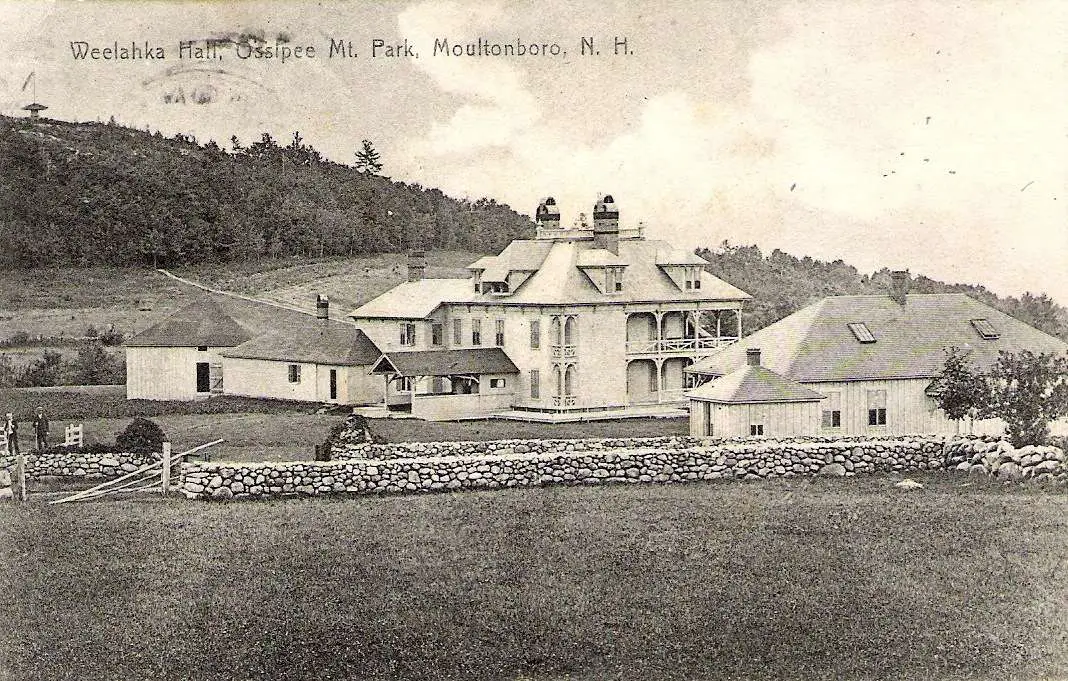
Frost was enamored with his high school girlfriend, Elinor White; they were co-valedictorian of their graduating class from Lawrence High School, Lawrence, Massachusetts, in 1892. An indication of how strong his feelings were for Elinor, at age 21, Frost accepted an invitation from his inamorata to accompany her and her sister, Leona, an excellent painter, to Weelahka Hall in the Ossipee Mountains of New Hampshire. Leona suffered from regular panic attacks, so her sister and Frost were likely required as support, and aid if needed, for her to complete the work.

Historical Trivia Sidebar
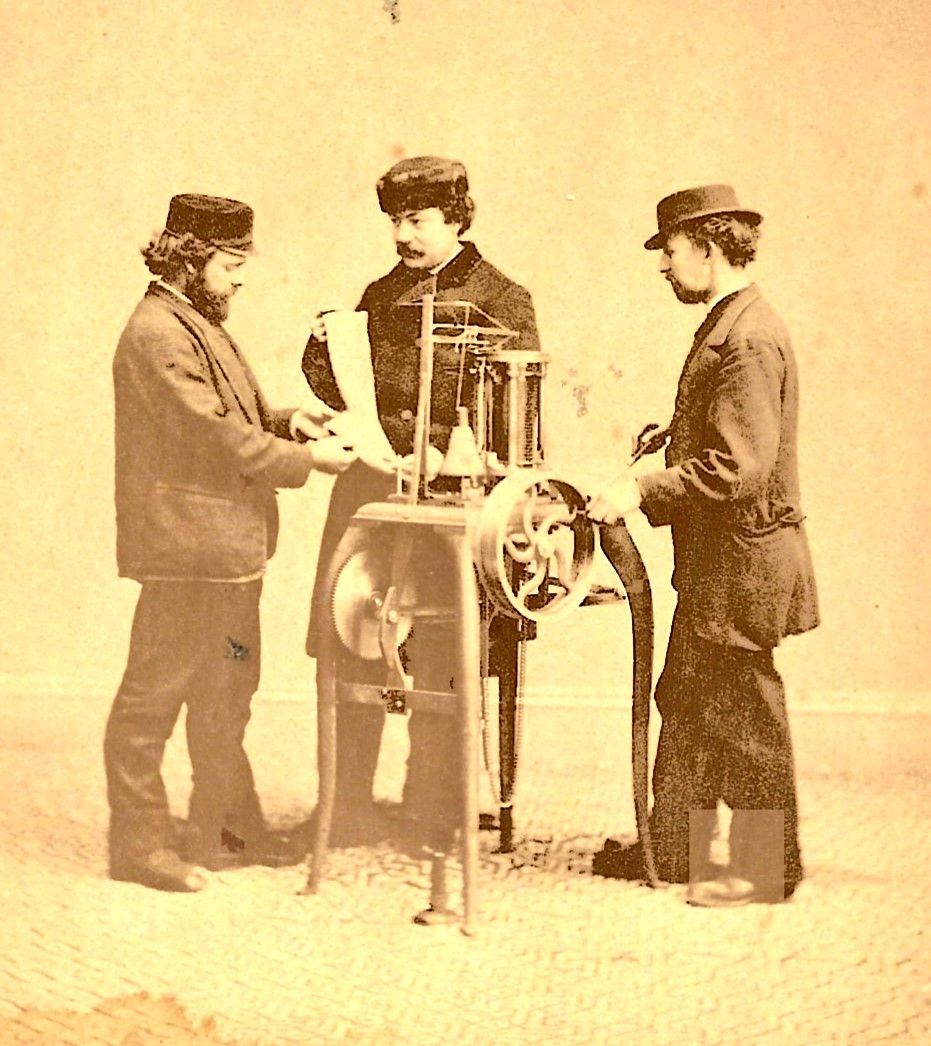
Weelahka Hall was a manor house built by B. F. Shaw, the inventor of the Shaw-Knit Stocking Machine. Shaw’s invention advanced the industry by producing socks without seams in the toe and heel. That advancement eliminated the need to manually sew the heel and toe as a separate process in making a sock. By eliminating the toe and heel seams, the sock was more comfortable and had a better aesthetic appearance.
The Weelahka Experience
Frost and Elinor made the trip as chaperones of Leona, who was commissioned to paint portraits of Shaw’s grandchildren. Unfortunately, unlike Elinor and Leona, Frost was not invited to lodge in the Hall during the visit.
Frost had little or no money at the time. Luckily, Weelahka’s estate manager offered him a ramshackle cottage for lodging, contingent upon Frost guarding the manager’s hard cider inventory. (The history of hard apple cider in the New England States is extensive and interesting. For our purposes here, suffice it to say hard apple cider was a valuable commodity.)
The cottage was, as described by Lawrance Thompson in his book about Frost’s early years, “a forlorn one-story clapboard cottage” with a lone stove pipe in lieu of a chimney. There were no curtains on the windows and no manner to secure the entry door. His stay in that cottage was the inspiration to write the poem titled, The Lockless Door. But why write a poem about an unsecured door? As the radio legend Paul Harvey often said, “Now, the rest of the story.”
The Phobia Effect
Frost had a dog in the cottage to replace Elinor’s companionship and, of course, to repress his fear of being alone in the dark. To further quell his fear of facing the darkness alone, he had a single shot pistol in his possession, most likely provided by the estate manager for guarding the hard cider.
In the dark of night came a knock on the “battered, lockless cottage door.” Frost’s phobia kicked in and he scurried out a rear window, calling back, “Come in!”, as he fled the cottage. Half dressed, Frost spent the entire night (ironically) wondering through the trees surrounding the estate. When he went back to the cottage at dawn he found an intoxicated neighbor on the cottage floor sleeping like a baby.
The Poem
Like all of Frost’s poems, he used life experiences growing up and living in New England as the basis of his works. “The Lockless Door” is just one he wrote in 1920, years after the Weelahka experience.
“The Lockless Door” appears in Frost’s collection Mountain Intervals. Scholars see “The Lockless Door” as having a central theme of avoiding the unknown and choosing fear over engagement. The door is seen as offering potential confrontation and the unknown, while the window is as an avenue of escape from the confrontation. What is your interpretation and what do you think is the meaning of the line, “I emptied my cage”?
The Lockless Door
It went many years,
But at last came a knock,
And I thought of the door
With no lock to lock.
I blew out the light,
I tip-toed the floor,
And raised both hands
In prayer to the door.
But the knock came again
My window was wide;
I climbed on the sill
And descended outside.
Back over the sill
I bade a “Come in”
To whoever the knock
At the door may have been.
So at a knock
I emptied my cage
To hide in the world
And alter with age.
Postscript
Robert Frost and Elinor White, despite her rejection of his first proposal to marry, did become husband and wife. They had 6 children together. The two remained together until Elinor’s death in 1938.
Robert Frost is the only poet to receive the Pulitzer Prize for Poetry. His poems are about New England and early 20th Century life in America. He is noted for his “command of American colloquial speech.”
 old spirituals
Pleased you “liked” for this post Dr. Soumitra Patil. I enjoyed researching the story.
LikeLike
Wonderful post, Nicola! I love the poetry.
LikeLike
Molte Gracie! Frost is an icon of early 20th Century America.
LikeLiked by 1 person
one of my favorite poets ❤️❤️ i love the road not taken
LikeLike
He must have suffered from nightmares from childhood.
LikeLike