Whiffin’s father was a photographer, but he made formal pictures. His son continued to run the family shop but he also created images that are a more realistic depiction of life in his time, What I notice in his pictures are the scale. His photographs often feature people beside (or atop of!) massive buildings that have been a part of London for hundreds of years. The people look so small and seemingly fragile by comparison.
His pictures make me think of how big cities like London tend to draw in talented, ambitious young people from smaller cities and towns. Their talent made them big fish in the little ponds back home. When they move to a metropolis, they’re stunned to find themselves overlooked or pushed to the side as people with bigger reputations, more talent, and more ambition take center stage. Perhaps they never knew what it felt like to be the least special person in the room! Of course it’s not our experiences that dictate the course of our future, only how we react to them.
St. Jude’s in Commercial Street:
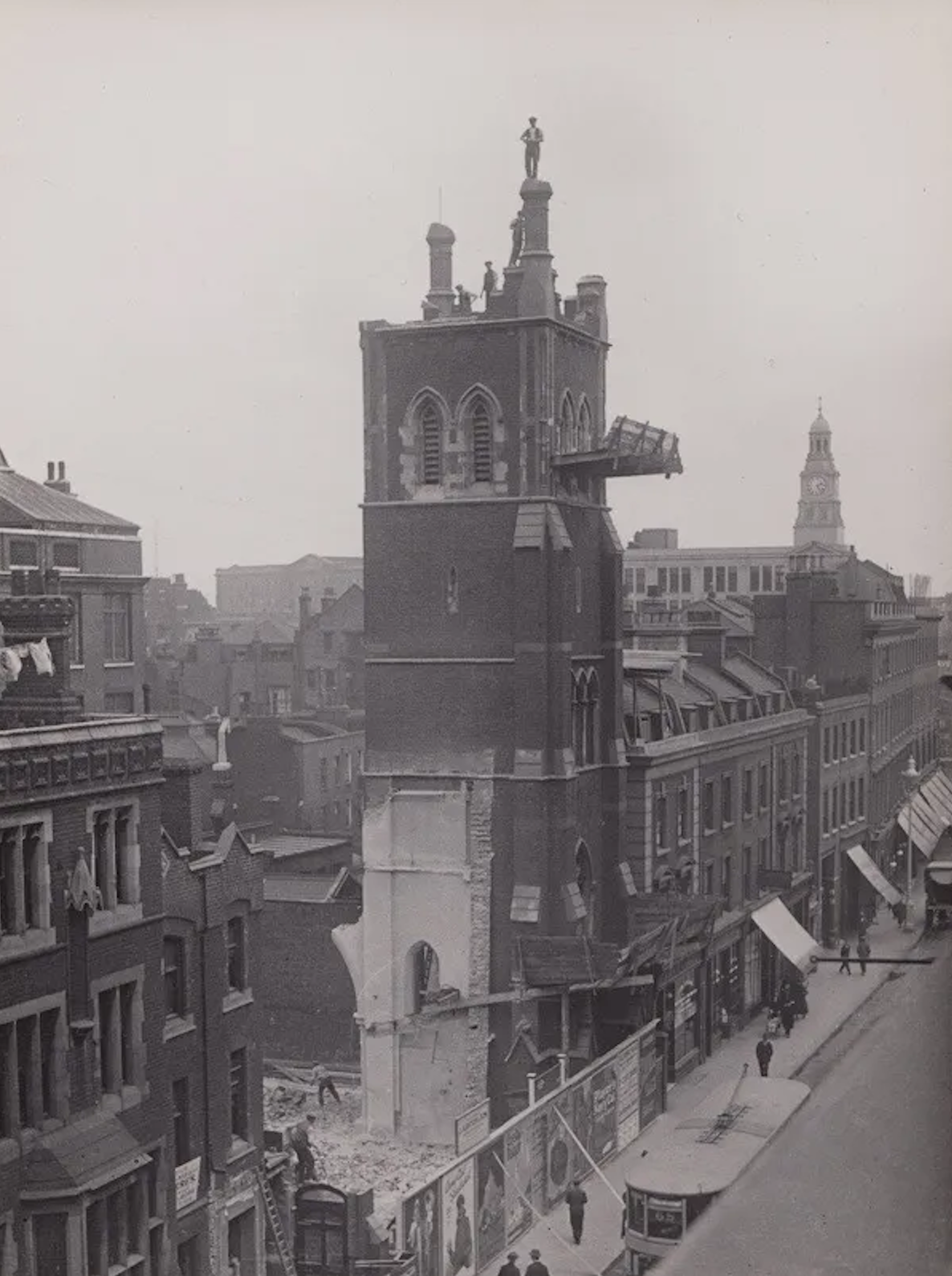
spitalfieldlife
The signs in Lombard Street appear to be wrought iron… whatever they are, I love them!
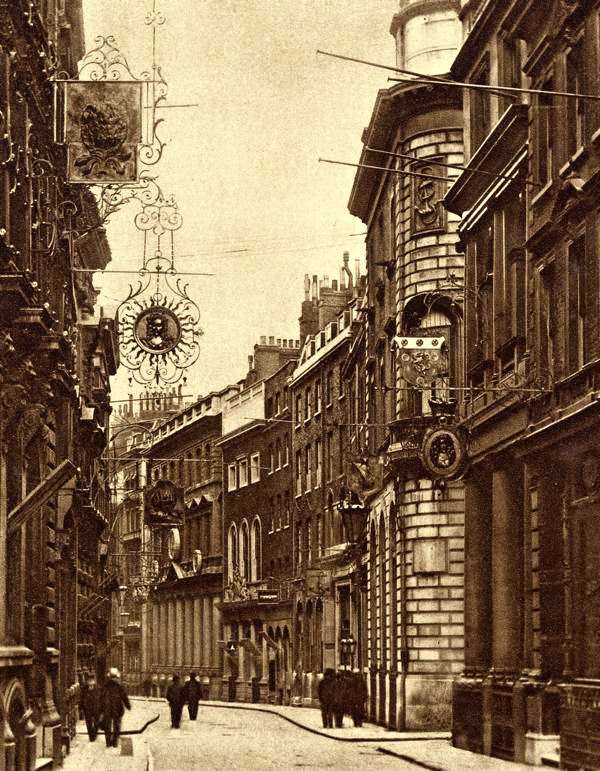
Bygonely
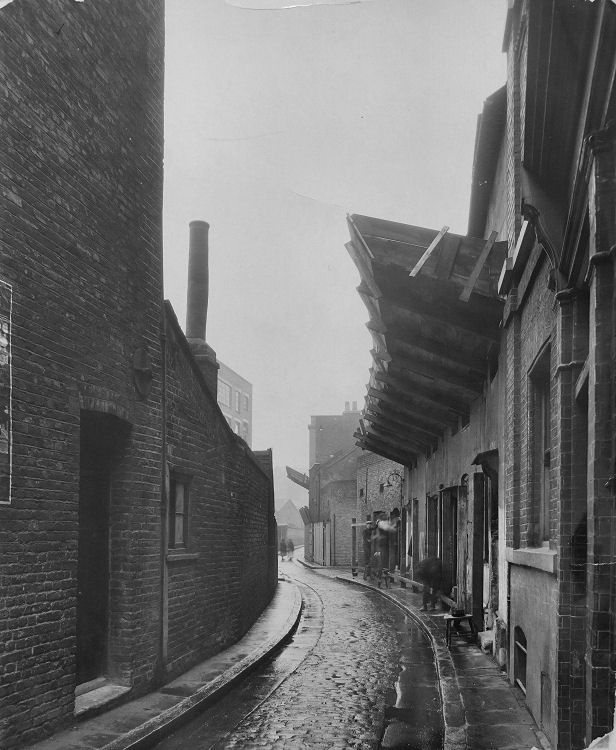
Artofit
Fleet Street
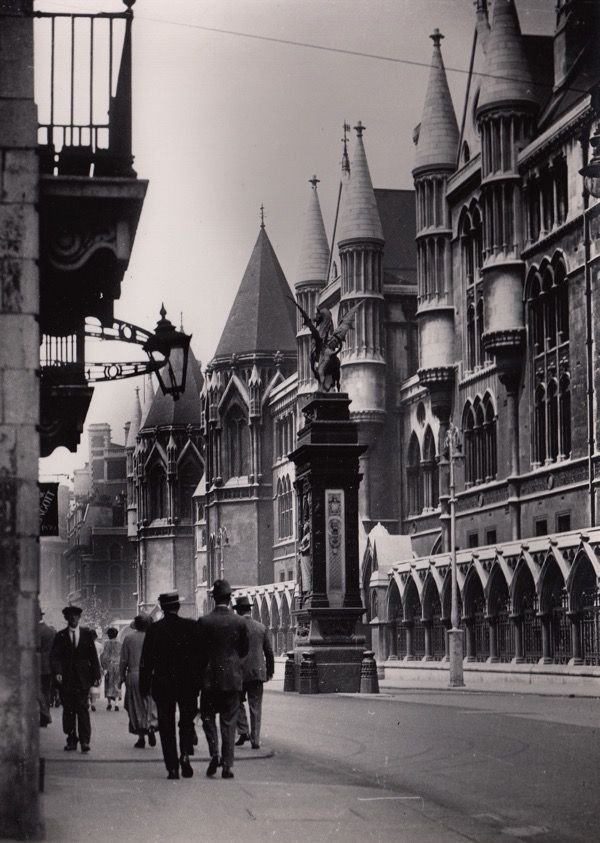
Figureheads from old fighting ships
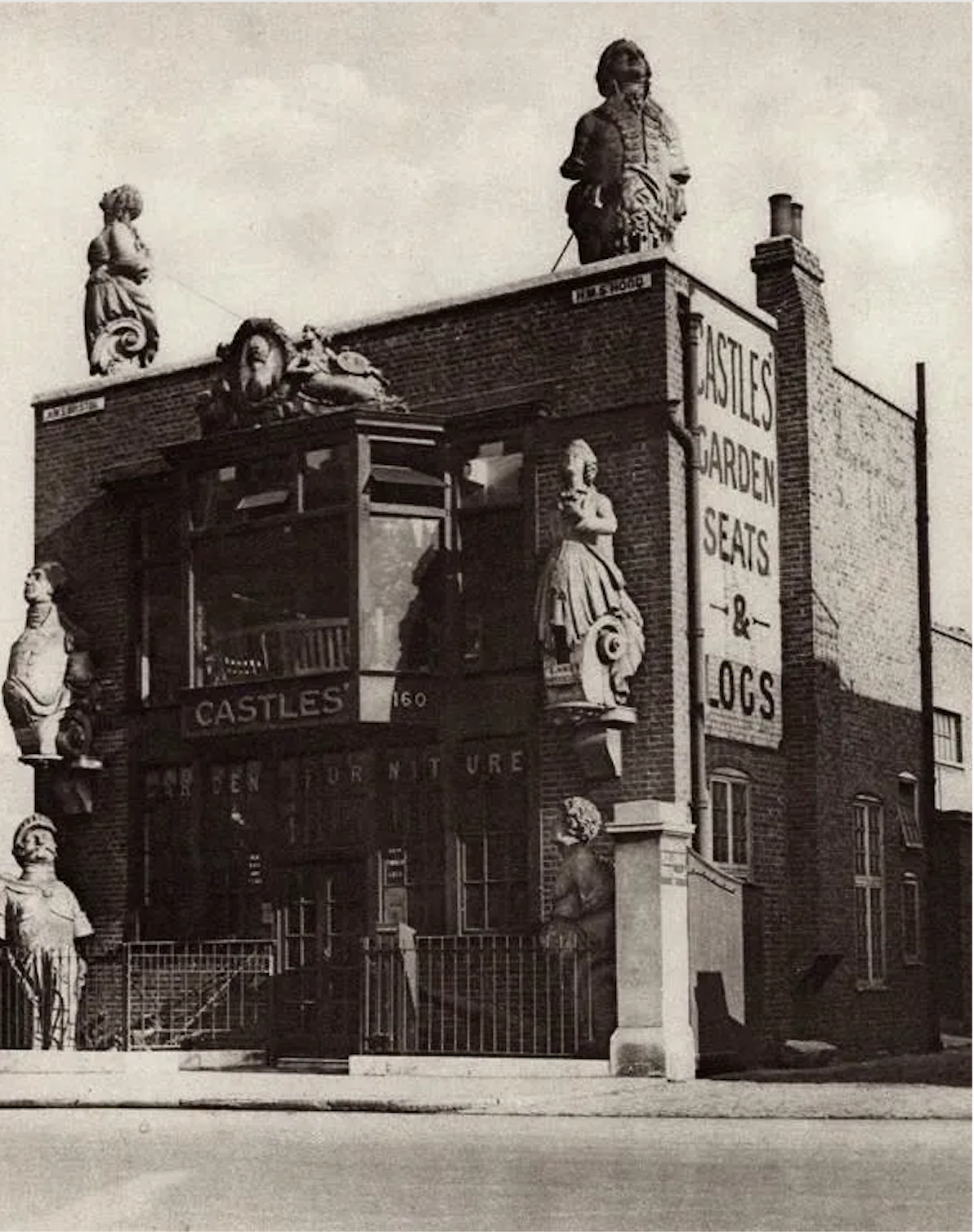
Bygonely
 old spirituals
a big contrast between the different curving city streets
LikeLiked by 2 people
What an eye you have, Ruby! I didn’t notice the streets all curve but you’re right! They do!
LikeLiked by 1 person
I spent a week in London many years ago and was fascinated in a myriad of ways, not the least of which was the confusing geometry of its streets. To this day I believe the London Taxi is the best designed, special purpose vehicle in the world and their drivers the best in the world.
Through that fascination I learned about the “The Knowledge” . . . the test every taxi driver must pass to be licensed to operate a taxi in London. To appreciate “The Knowledge,” consider this information from National Geographic:
To earn the right to operate one of London’s iconic black cabs, aspiring drivers must pass one of the hardest tests in the world, known as “The Knowledge.” It requires knowing central London’s maze of 25,000 streets in intimate detail. In oral exams, the applicant must recite an efficient route between any two points the examiner chooses. These can be drawn from more than 125,000 points of interest, from obvious landmarks like Buckingham Palace to an obscure back-alley pub. Those who pass the test study for an average of four years.
The only thing more confusing and challenging to navigate is London is “The Tube” system. “Mind The Gap!” and “Sorry!” are expressions that still echo in my ears.
LikeLiked by 2 people
I have an awful sense of direction, even with our nice, neat grid format. Four years to become a taxi driver!! Maybe they study psychology at the same time. Cab drivers, hair stylists, and bartenders know more about human nature than Sigmund Freud ever forgot.
LikeLiked by 1 person
“Of course, it’s not our experiences that dictate the course of our future, but how we react to them.”
So beautiful Kimberly!
I loved the turrets on Fleet Street. Great photos.
LikeLiked by 1 person
Thank you, Phyllis! 💖
LikeLike