Preface
Only one State Governor has ever been assassinated in America’s 250 year history, and he is the only Kentucky governor not to be married.
After a highly contested campaign that resulted in an unprincipled outcome, this politician became the official Governor of Kentucky for four (4) days. His name was William Goebel, often referred to by Kentuckians as “our martyred governor.” William Goebel was, legally, the 34th Governor of Kentucky. But only for four (4) days -January 31, 1900 to February 3, 1900.
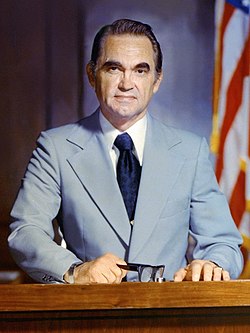
Sidebar: The Governor of Alabama, George Wallace, was shot and paralyzed while campaigning for his Party’s Presidential Candidacy in 1972 at age 53. Wallace was in a wheelchair for the remainder of his life, which ended at age 79.
William Goebel spent years in the State legislature garnering both friends and enemies. His political status and power grew contributing directly to his brief tenure as governor. The events surrounding his governorship were so profound Kentucky’s political cabal and its citizenry voted to commission a life-size, bronze statue in his honor. The statue, created by Charles Henry Niehaus, was erected in 1914 and remains to this day.
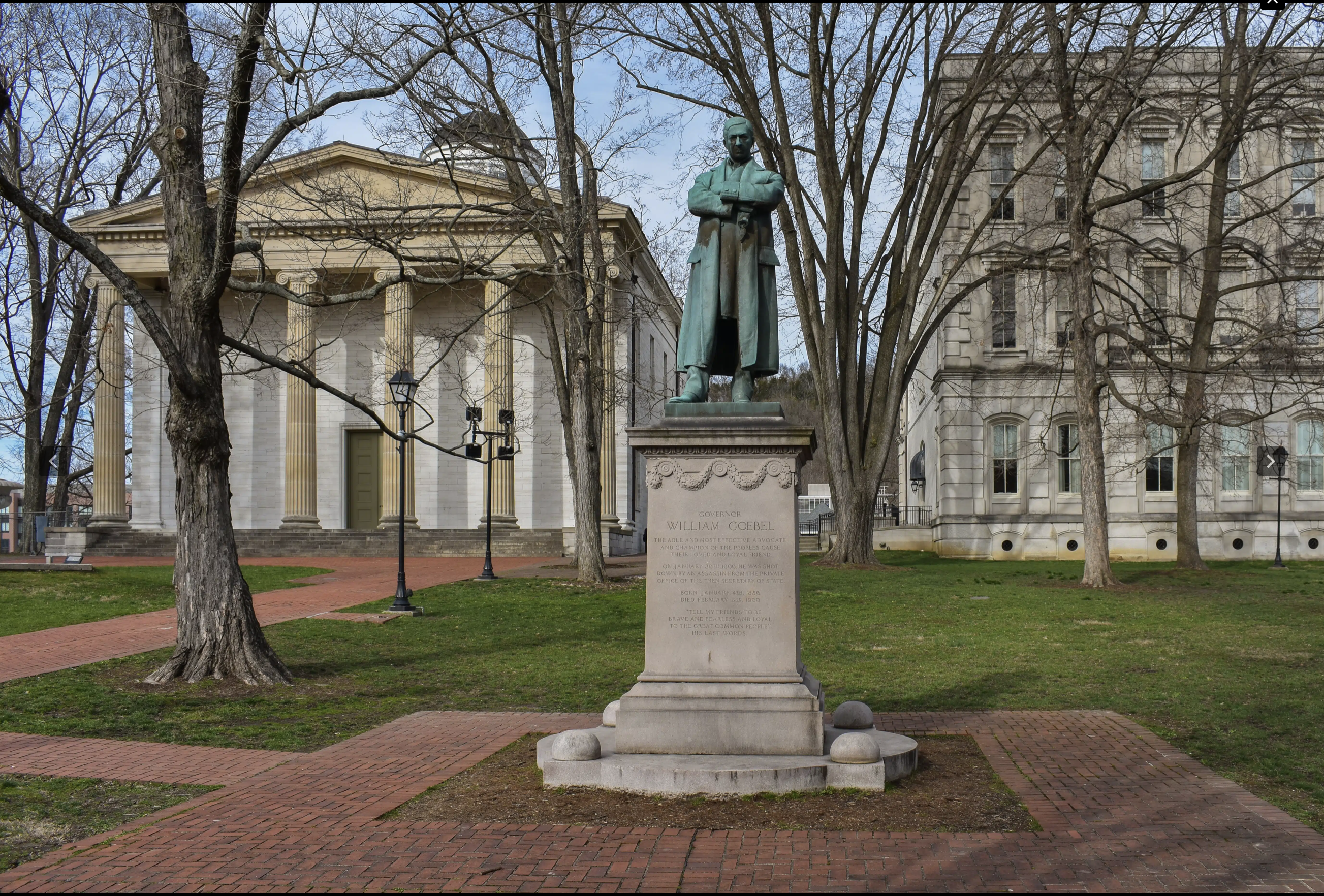
So who was William Goebel and what did he accomplish to justify a bronze statue on the grounds of the Kentucky State House in Frankfort, KY?
Prologue
George Goebel was not a true “native son” of Kentucky. His parents, Wilhelm and Augusta Goebel, were German immigrants from Hanover, Germany, living in Pennsylvania when he and his 3 siblings were born. (There is no evidence that William Goebel is related to Franz Detleff Goebel or his son, William Goebel, the founders of the Germany porcelain company famous for its Hummel line of figurines.)
Wilhelm Goebel, William’s father, served in the 82nd Pennsylvania Infantry Regiment during the early years of t he American Civil War. The 82nd Pennsylvania Infantry had duty guarding Washington, DC, until March 1862, subsequently fighting in several major battles. Following his discharge from the Union Army in 1863, two years before it ended in 1865, Wilhelm moved his entire family to Covington, Kentucky.
Sidebar: There is no explanation of why Wilhelm moved his family to Covington, KY. One can deduce that he learned of the many German immigrants settling in the Northern Kentucky-Southern Ohio area. In 1830, the influx of German immigrants grew the population of Covington, KY, to slightly over 2,000. Based on the 1790 Census, that region of America was second only to Pennsylvania in the number of German immigrants. With the Civil War still raging, Wilhelm must have had confidence his family would be secure by being surrounded by others German immigrants.
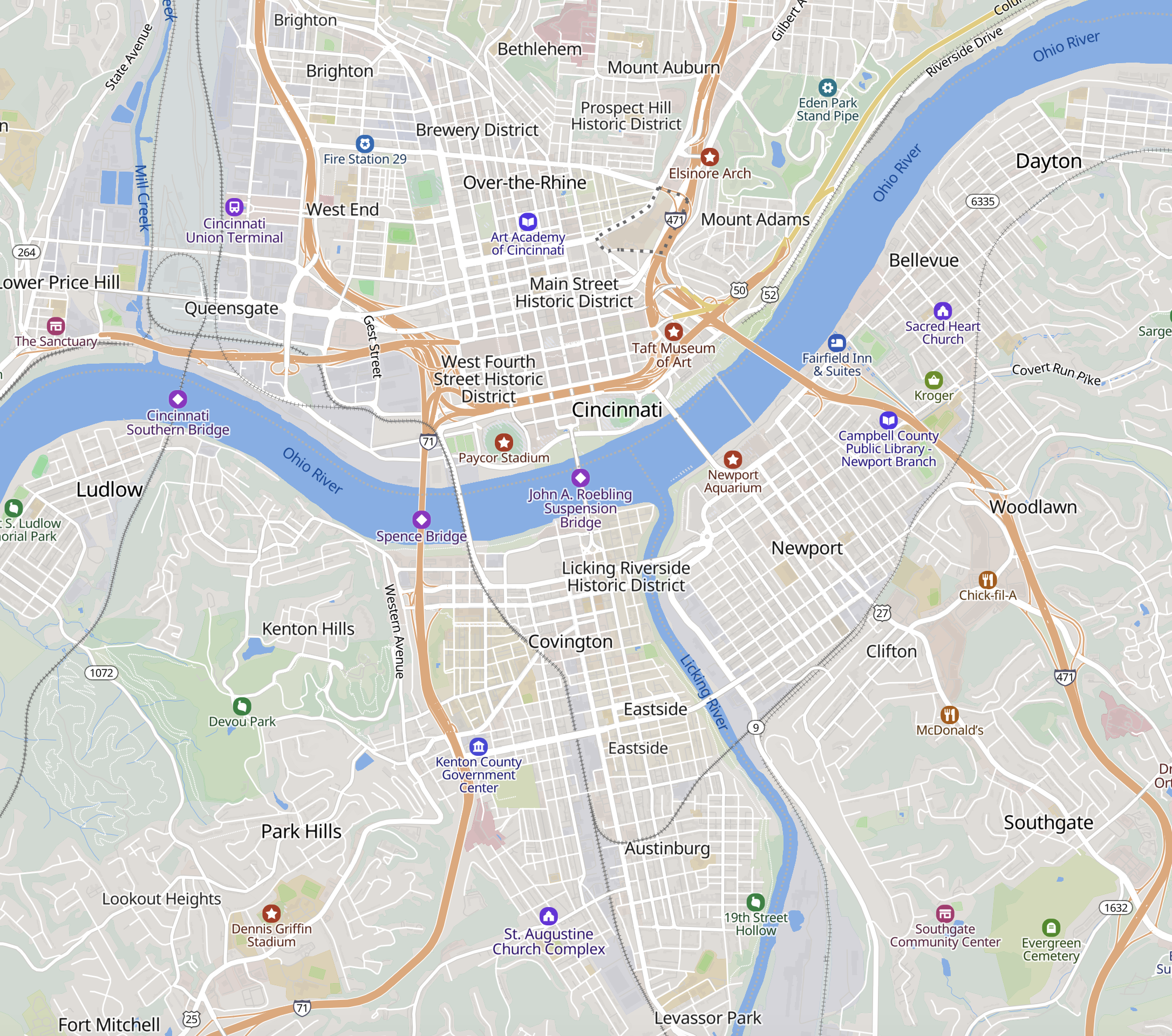
The move to Kentucky required a great deal of fortitude. Former Union soldiers were not well accepted in Confederate Union States, nor were their family members. The challenging situation did not stop the Goebels’ son, William (named after his father, but Americanized to English), from taking advantage of the opportunities America offered. William first attended school in Covington; he apprenticed for a jeweler in Cincinnati; he went on to attended Hollingsworth Business College for a time; and, eventually graduated from Cincinnati Law School in 1877. William was achieving the American Dream.
After graduating from Cincinnati Law School (now the University of Cincinnati School of Law), Goebel joined the law practice with John G. Carlisle and ex-governor John W. Stevenson, where he specialize “in corporate and railroad law.”
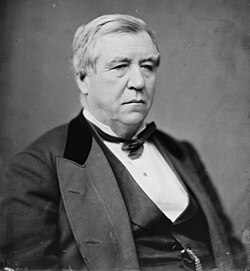
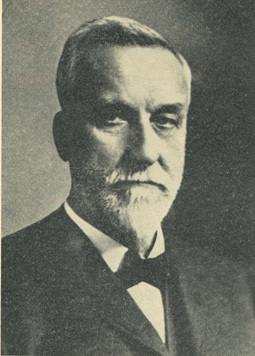
John White Stevenson, 25th Governor of Kentucky, September 8, 1867 – February 13, 1871
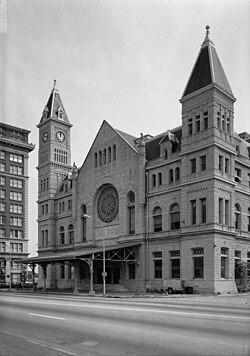
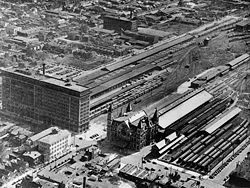
William Goebel gain valuable knowledge and experience while in the partnership and went on to open his own private practice. That was in 1883 and by then Goebel had developed a reputation for regularly challenging the Louisville and Nashville (“L&N”) Railroad . . . thus becoming the company’s archenemy. It is said he never lost a case against the L&N Railroad, so he earned a reputation of being “the railroad lawyer.” Goebel may not have been on good terms with the L&N Railroad, he was, however, heralded by railroad employees as a lawyer that fought on behalf of the common man. Many called him “the poor man’s lawyer.”
Goebel’s Political Progression
The law partnership that Goebel had with ex-governor Stevenson, who was a staunch Democrat, exposed him to the “movers and shakers” of the Democrat Party in Kentucky; a great conduit for him to enter State politics. Those relationships eventually launched him into a State Senate where he developed a following and political influence.
Initially Goebel was viewed as one of the “Good Ole Boys” of the Democrat Party because of his regular finger pointing at the Republican Party as the cause of every problem the State confronted. But when he started constantly pushing for reforms that were ideologically opposed by ex-Confederate Democratic comrades he fell from favor.
Sidebar: It was former Confederate Army officers who first organized the Ku Klux Klan in response to social and cultural changes following the Civil War. Many of the Klan members were members of the Democrat Party and they objected to Goebel’s ideology.
One of Goebel’s immediate antagonists was businessman and banker, John Leathers Sanford. Sanford, also a Democrat, became furious when the new Senator instituted lower tolls on Covington roads, roads owned by a corporation in which Sanford was a stockholder.
Goebel also pushed for “greater civil right for women and Blacks” that put him on tenuous footing with his fellow Democrats. One right advocated by Goebel, a right he fiercely argued, was for women to have the right to vote on matters of education. He also regularly supported legislation that was unfriendly to banking interests. Those unpopular ideas were compounded by his northern background, immigrant parents and his father’s service in the Union Army.
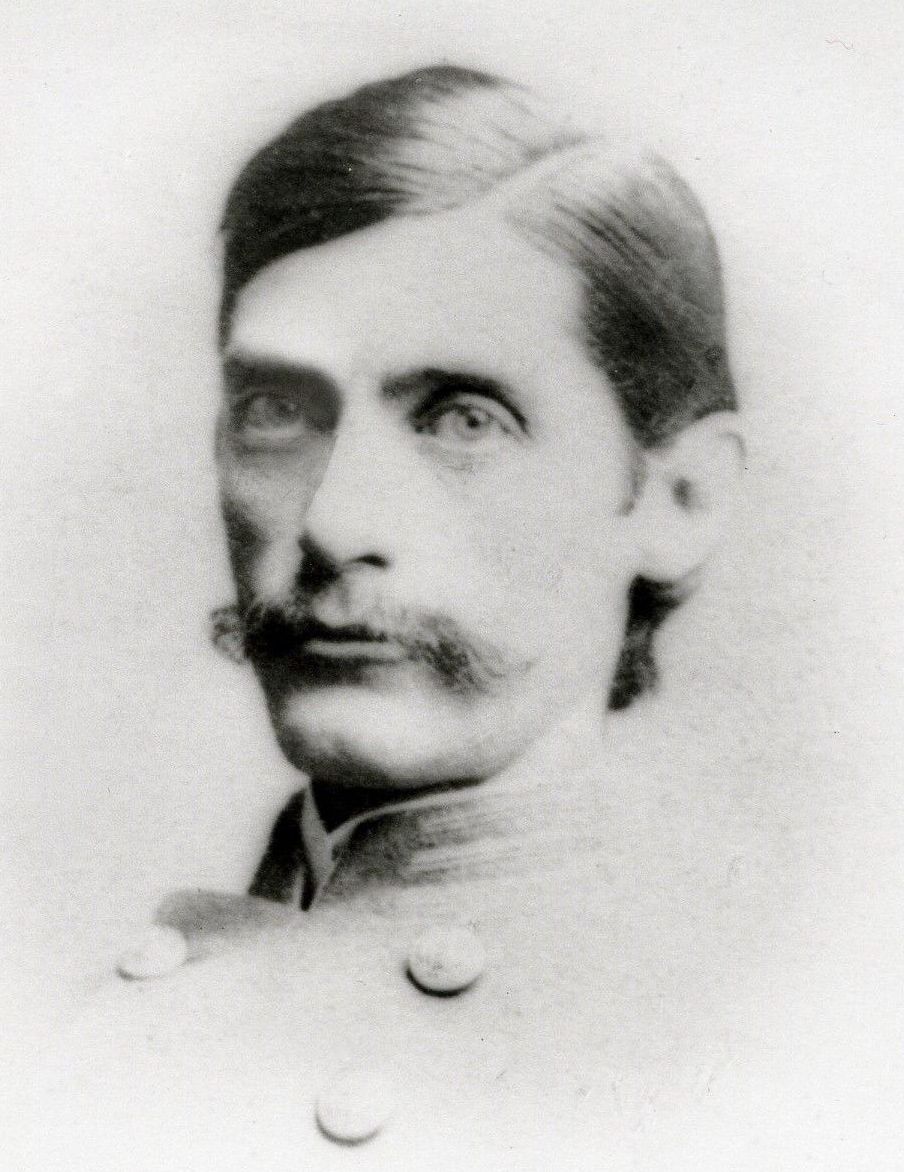
All of the constant, contentious issues caused a serious feud between Goebel and Sanford. The feud was amplified after Goebel instituted the removal of tolls on the roads that resulted in Sanford’s bank suffering financial losses. Then, Sanford was pushed beyond his limit of tolerance when Goebel published an editorial in the paper casting accusations of corruption against Sanford, calling the businessman/banker “Gonorrhea Sanford.”
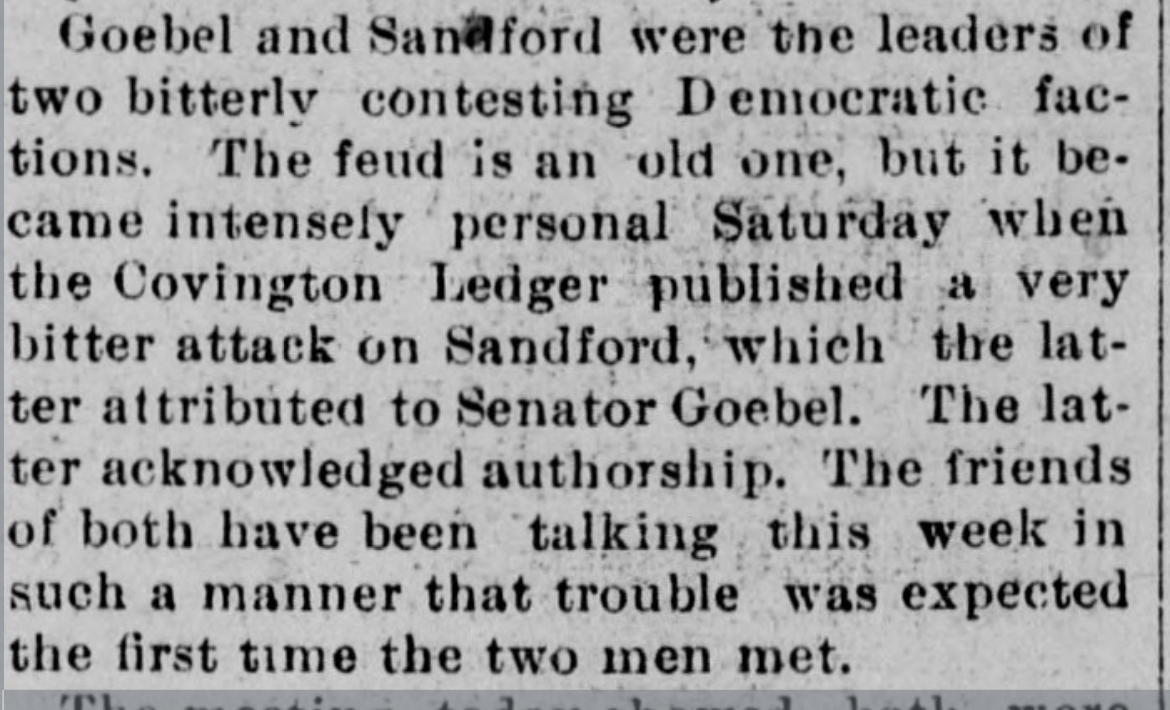
Sidebar: Goebel was able to publish such an editorial because the previous owner, Thomas Riley, transferred ownership of the publication to Goebel.
The feud between Goebel and Sanford ended on April 11, 1895, “in what some called a duel.” On that day, Goebel, accompanying Kentucky Attorney General W. J. Hendricks, walked to the First National Bank. The two men encountered Sanford on the street who stopped them to ask Goebel if he was the author of the article in the paper. As soon as Goebel responded affirmatively, Sanford drew a gun from his coat and within fractions of a second so did Goebel. Some say Sanford fired first. Hendricks claimed, “I don’t know who shot first, the shots were so close together.” Another witness was First National Bank President, Frank P. Helm, who endorsed Hendrick’s testimony when he said, “the shots were almost instantaneous and I cannot say positively which fired first.”
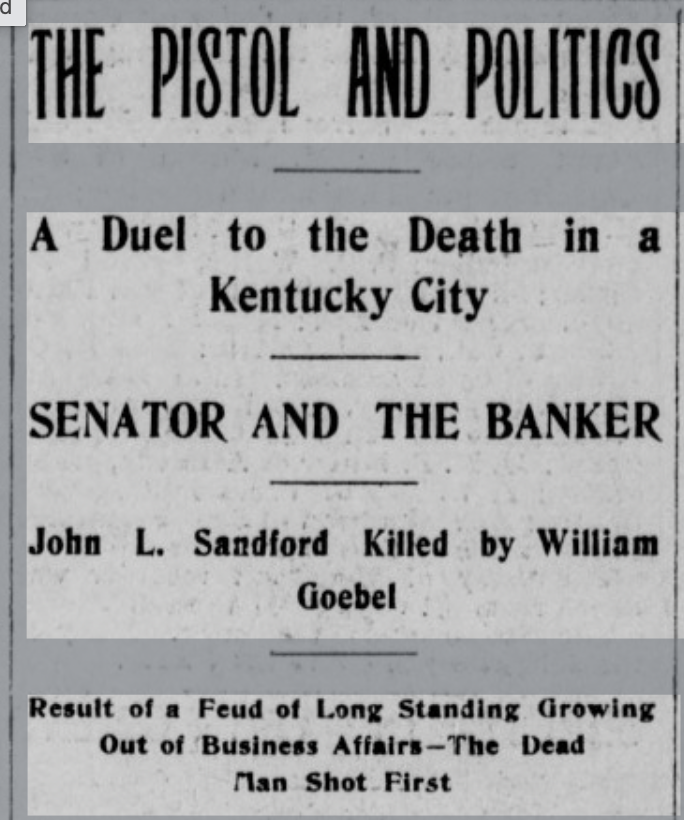
What is indisputable is the shot fired by Sanford went through Goebel’s jacket; the hole it left was obvious to those who examined it. Fortunately for Goebel, that was the extent of damage inflicted by Sanford’s shot. On the other hand, Goebel’s shot was quite different . . . it hit its mark. Sanford was struck in the head by Goebel’s bullet and he died hours later.
A trial for charges filed against Goebel was held five days later. After the six hours trial, Goebel was acquitted. Sanford’s wife did file a civil suit against Goebel for wrongful death of her husband asking for $10,000 in damages, but the jury ruled against Mrs. Sanford. She was awarded nothing.
Goebel’s Ruse
Senator Goebel continued to be a divisive Democrat and very politically active after the shooting of John L. Sanford. In 1898, the Kentucky legislature passed a bill commonly called the Goebel Election Law that was meant to be an election reform initiative. In reality it achieved quite the contrary because it “centralized powers under an election commission. . .” The commission was composed of three men, ALL allies of Senator Goebel.
The Kentucky vote counting process was far from democratic in nature before the Goebel Election Law because it allowed each county to certify voting results. That method cause the controlling party in each county to “throughout votes” for the opposing candidate. The new law simplified the process, the State Board of Election Commissioners selected each county’s vote counters. The Commission answered only to the General Assembly . . . which happened to be Goebel Democrats.
Goebel’s Gubernatorial Run
The Kentucky gubernatorial election of 1899 included Goebel as one of the Democrat candidate and it was a “cut-throat” campaign and election. Nonetheless, Goebel’s was able to win the Democrat Party nomination. His opponent in the State Gubernatorial Election was Republican William S. Taylor, a race that today is called “one of the bitterest political campaigns in Kentucky history.”

Goebel’s attacks were not against Taylor but focused on the L&N Railroad, by association impugning Taylor’s concern for the average Kentucky voter and the common man.
Sidebar: The L&N Railroad took Goegel’s election as a serious threat, spending $500,000 in their attempt to defeat him. In 1904, the chairman of the L&N board claimed, “We would have spent twice that much had we thought it necessary.”
Milton Smith, president of the L&N Railroad, headed the campaign against Goebel. Besides Goebel’s career long advocacy against the L&N Railroad, the ardent anti-railroad politician publicly proclaimed if elected governor he planned to indict Smith and two of his cohorts for “criminal libel” and put them in prison “for a least two years.”
Despite Goebel’s ardent campaigning he fell short by slightly over 2,000 votes of winning the popular vote – 191,331 to Taylor’s 193,714. Goebel’s conceded the election; however, his followers did not and Goebel was influenced to ask for a recount. The State Board of declined to invalidate the results and Taylor was inaugurated on December 12, 1899.
The campaigns were so contentious that Governor William O’Connell Bradley, before the inauguration, asked President McKinley to dispatch federal troops to the State to maintain order. McKinley refused the request. Instead, Republican supporters from eastern Kentucky travelled to Frankfurt, the Capital, armed to “stop the steal.”
The results remained heavily disputed into 1900 and the new session of the State legislature appointed a Contest Committee that included only one Republican. The other 9 committee members were 8 Democrats and one Populist, who leaned Democrat.
Goebel’s Demise
On January 30, 1900, the election result was still being contested and not yet finalized by the Contest Committee. That morning when William Goebel, escorted by Colonel Jack Chinn and Captain E. Lillard, walked to the State House, shots were fired from a building that contained several offices for State Officials, including Secretary of State Caleb Powers and Governor Taylor.
Sidebar: It was estimated that 5 or 6 shots were fired, one striking Goebel in the chest.
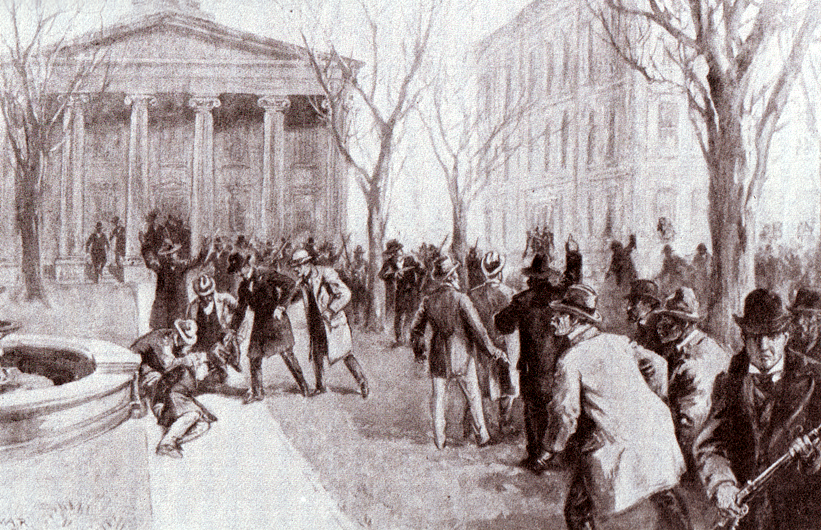
The then Governor Taylor ordered out the militia, arriving so quickly that many believed they had been notified in advance. (The fact is the militia was already called out by Governor Taylor to quell hostilities that were the outgrowth of other election results.) The Contest Committee was able to clandestinely meet to review the election results, subsequently pronouncing William Goebel as the elected governor and John C. Beckham the lieutenant governor.
Within 36 hours of being shot, William Goebel, on his death-bed, took the oath of office a governor of the State of Kentucky. When he died on February 3, 1900, John C. Beckham was immediately sworn in as Goebel’s successor.

Justice for Goebel’s????
Because the flight path of the bullet was tracked to Secretary of State Caleb Powers’ office, a warrant was issued for his arrest. A total of 16 individuals were indicted for the assassination of William Goebel, including Taylor, his opponent.
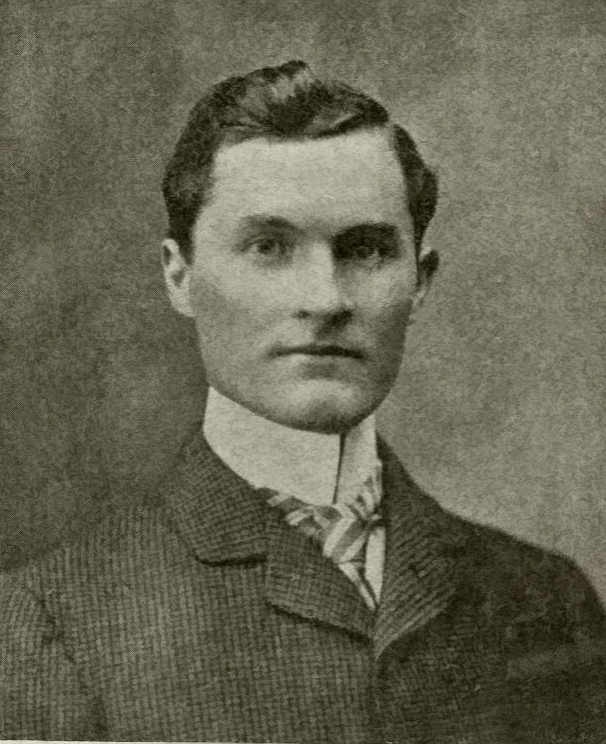
Sidebar: Following his indictment, William Taylor fled the Kentucky to Indianapolis, Indiana. The Governor of Indiana refused to extradite him back to Kentucky.
Three conspirators accepted immunity from prosecution in exchange for their testimony against the others. In the end only 5 of the 16 actually went to trial, two of which were acquitted. Only Caleb Powers, Henry E. Youtsey (a stenographer in the State Auditor’s Office who incriminated Taylor for devising the plot) and the actual gunman, James Howard, were convicted.
One death penalty verdict for Howard was vacated and reduced to a life sentences. Republican Governor Augustus E. Willson issued a pardon for several of the conspirators, but not simultaneously. Powers was pardoned first in 1908, when waiting for a fourth trial. In 1909, James Howard, the alleged shooter, was pardoned. Henry E. Youtsey was the, lowly stenographer, was the only convicted conspirator that served a lengthy sentence, 18 years, and was pardoned during the last few day of Governor James D. Black’s term in 1919.
Postscript
William Goebel’s last words are claimed to have been:
“Tell my friends to be brave, fearless, and loyal to the common people.”
He supposedly also humorously joked about a bad oyster he had eaten before his death.
 old spirituals
Caleb Powers deliver a lengthy speech to the jury at his death sentence trial. It was printed in booklet form and available through the Library of Congress.
https://www.loc.gov/resource/gdcmassbookdig.greatspeechofcal01powe/?st=gallery
LikeLike