It’s a little startling to compare each generation’s standard of feminine beauty. One of the best books I ever read was Psychocybernetics by Dr. Maxwell Maltz. Dr. Maltz had been a plastic surgeon for many years and he noticed this too. In the 1920s, busty women would come to see him and tearfully ask him to make them more flat-chested. In the 1920s, the standard for feminine beauty was a boyish-looking figure, like Louise Brooks.
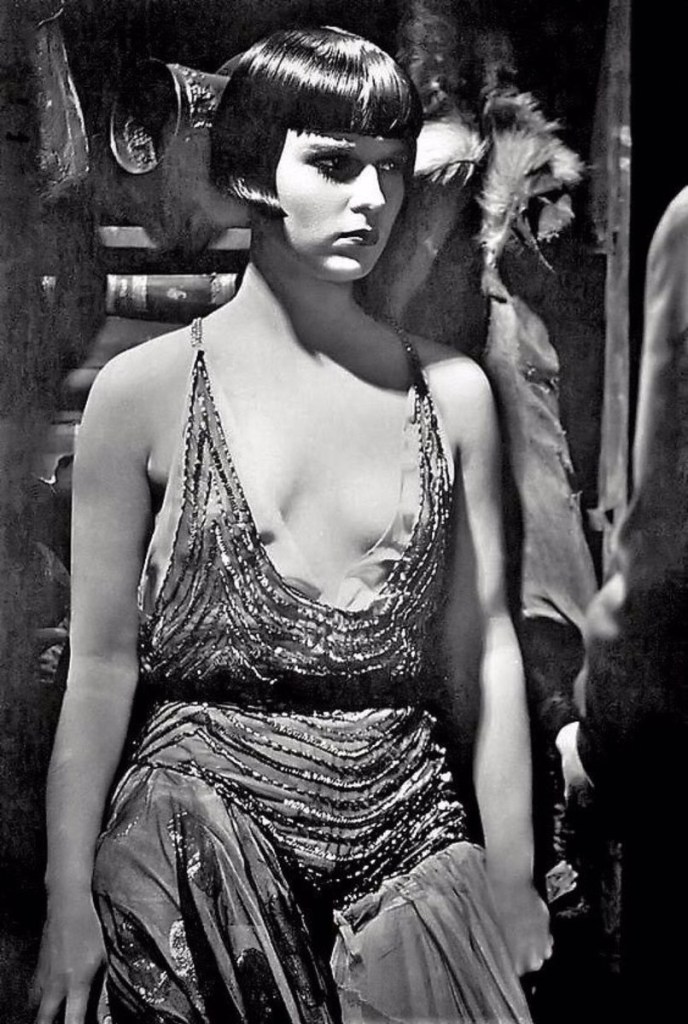
He noticed their language. “I’m so ugly” and “I’m humiliated by my appearance.” But as time passed and the standard changed, flat-chested women would come to him pleading for breast implants. And they used the same kind of language.
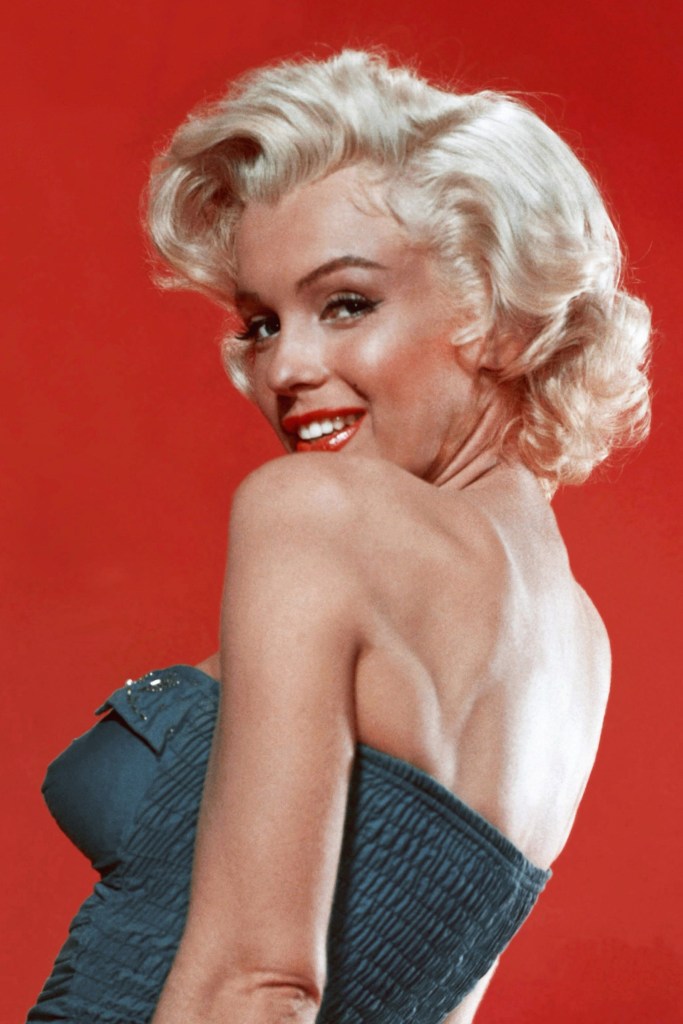
They judged themselves harshly according to an impossible standard in their minds. But what got Dr. Maltz’ attention was that the standard wasn’t real, in the sense that it didn’t last. He did believe in a standard of beauty, I think, in terms of symmetry of the face or being a healthy weight. But for women who wanted to change their body structure, Dr. Maltz came to believe that changing these patients’ subconscious thinking to help them see themselves accurately and accepting themselves would help them far more than attempting to change their bodies and imperfect results could ever do. Patients like these eventually caused him to turn his attention away from plastic surgery and towards the subconscious mind.
According to UCSD, the current average model is between 5’9 and 6’ tall, weighing in between 90 and 120lbs, making most models moderately to severely underweight. Add in Photoshop to remove every blemish and flaw and the standard of feminine beauty becomes all but impossible for any woman to achieve. And the girls and women of 2023 react much like their great-grandmothers did.
Hollywood has a lot to do with all the standards of beauty I’ve mentioned so far, in terms of choosing the standard of the moment and then relentlessly pushing it on people. But what about before Hollywood—or before Hollywood became as powerful as it is? Let’s take a look at some early pictures of famous women and reputed beauties of their day.
These photos are from the Library of Congress with the available information beneath each picture.
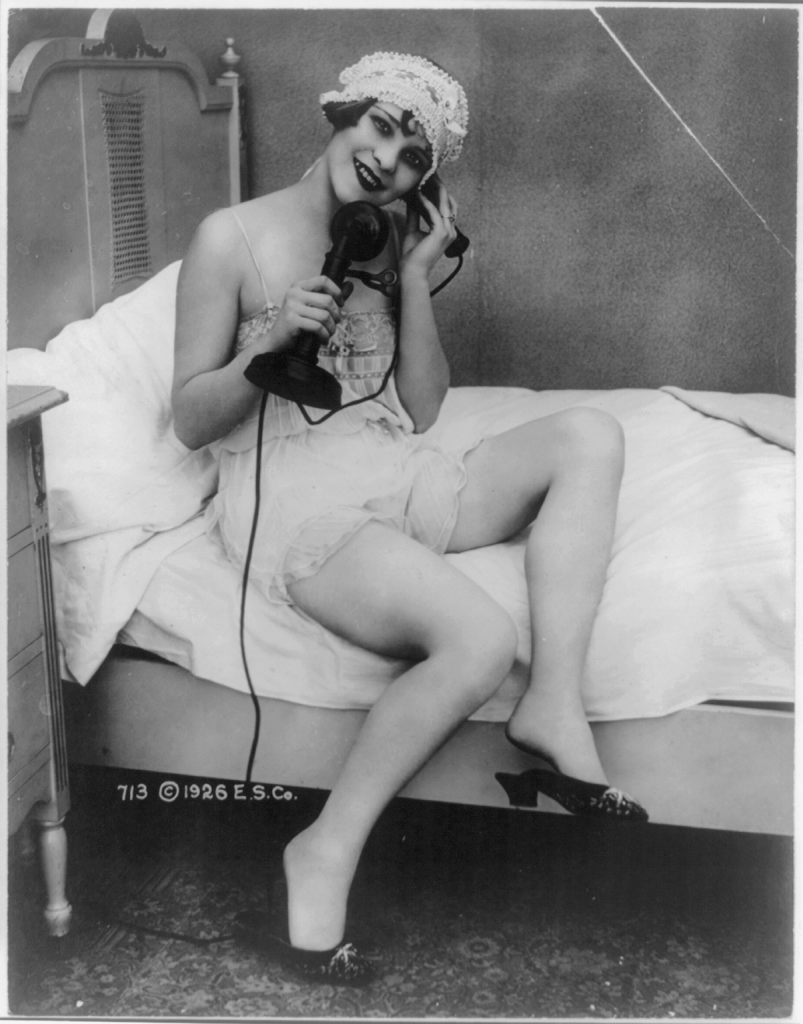
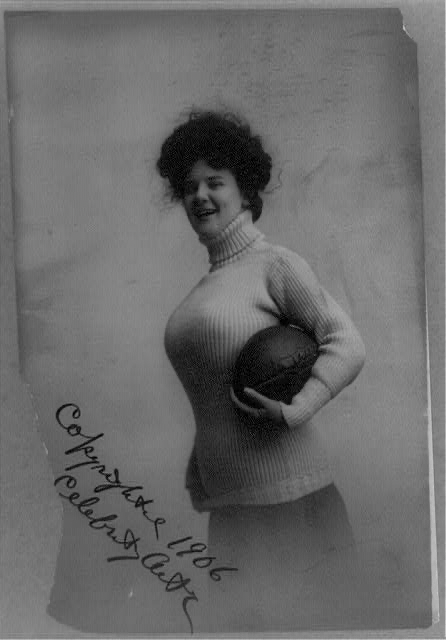
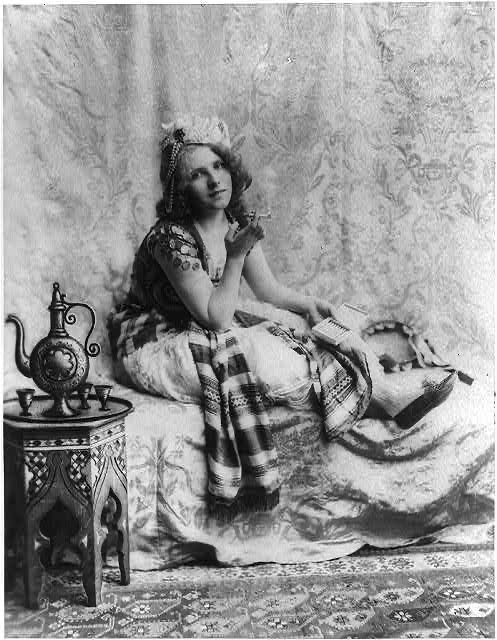
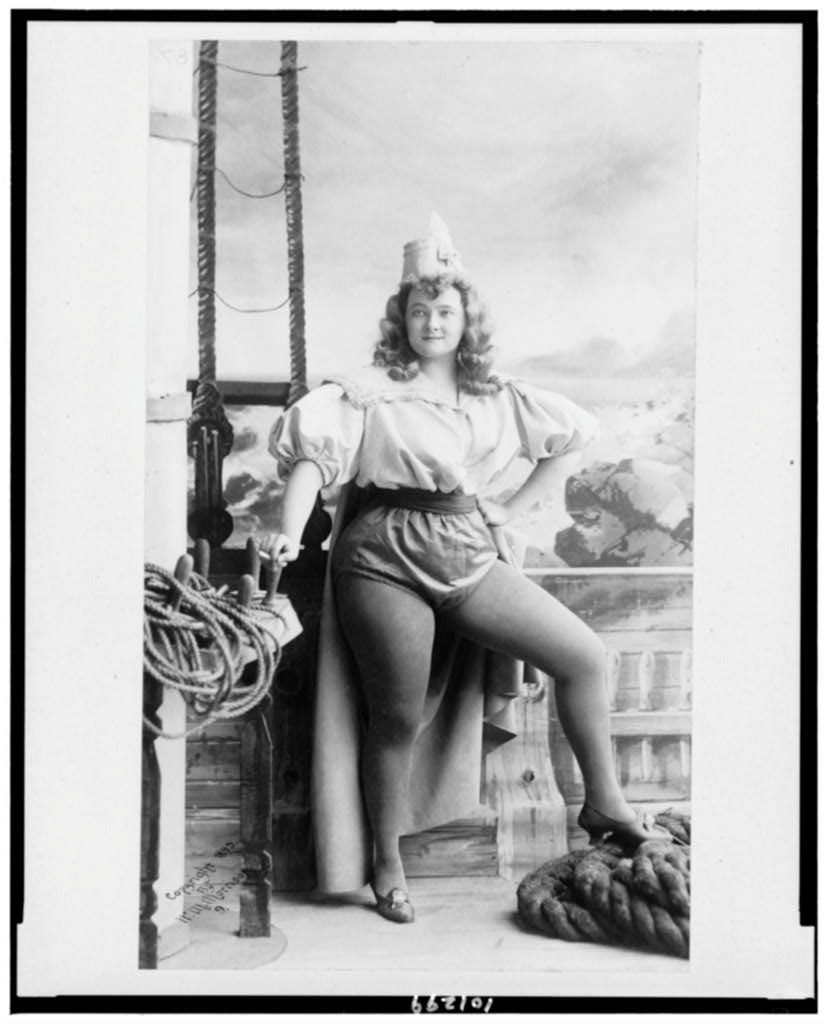
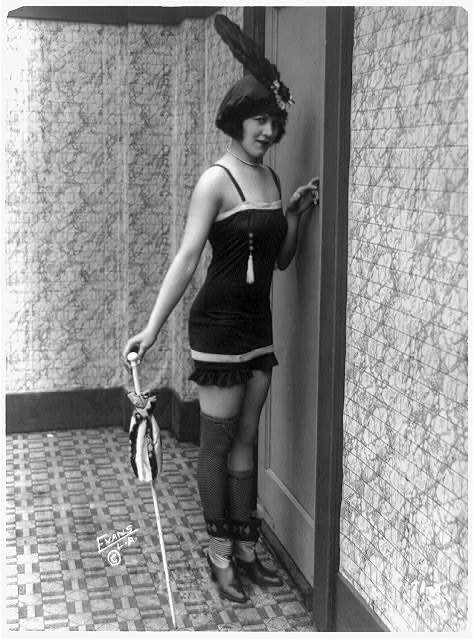
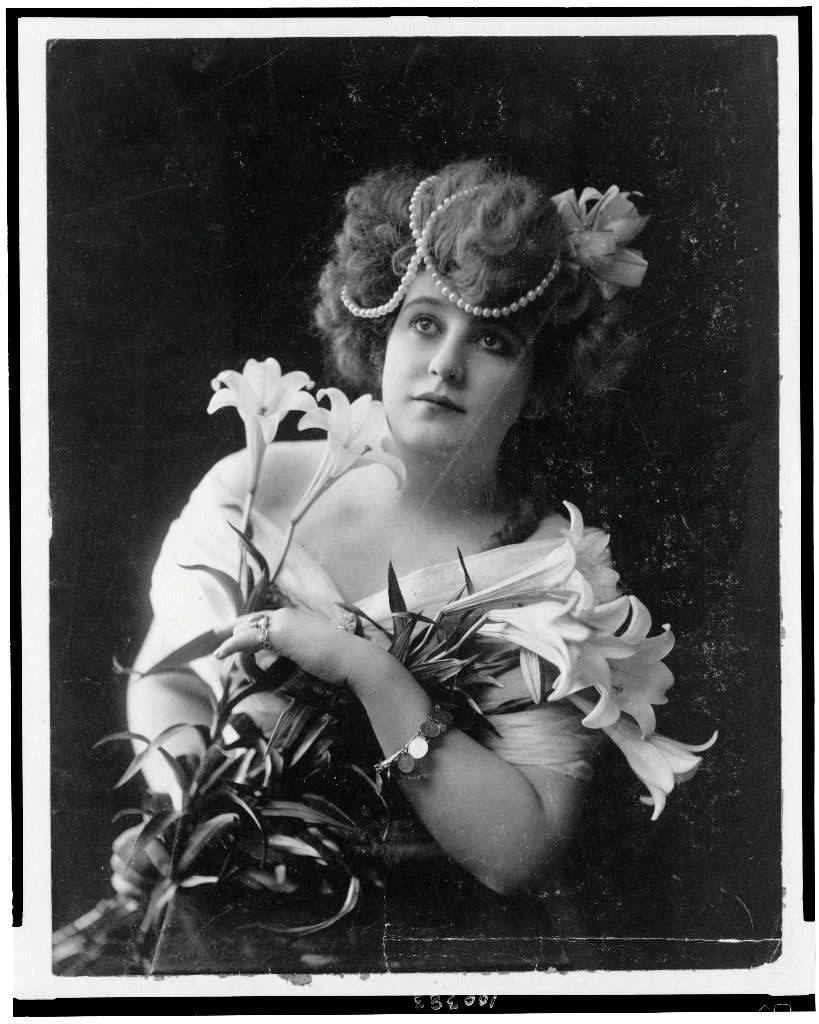
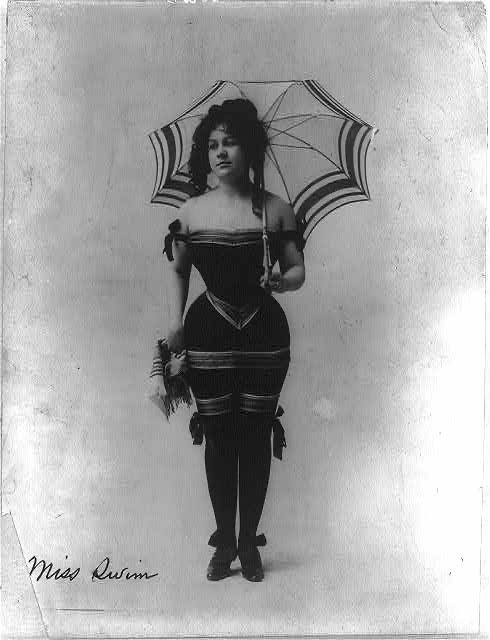
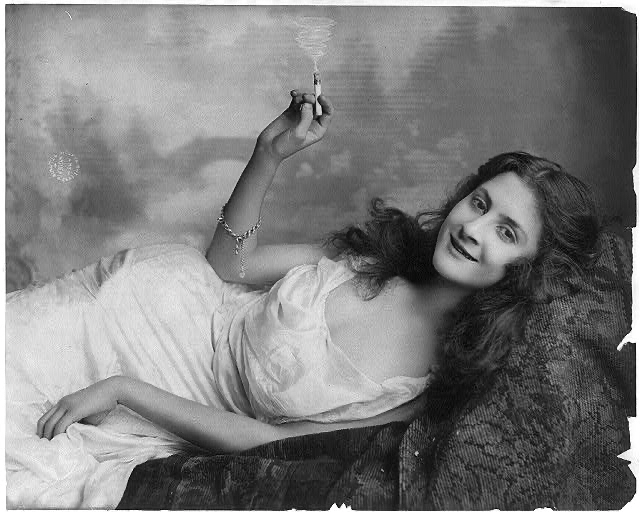
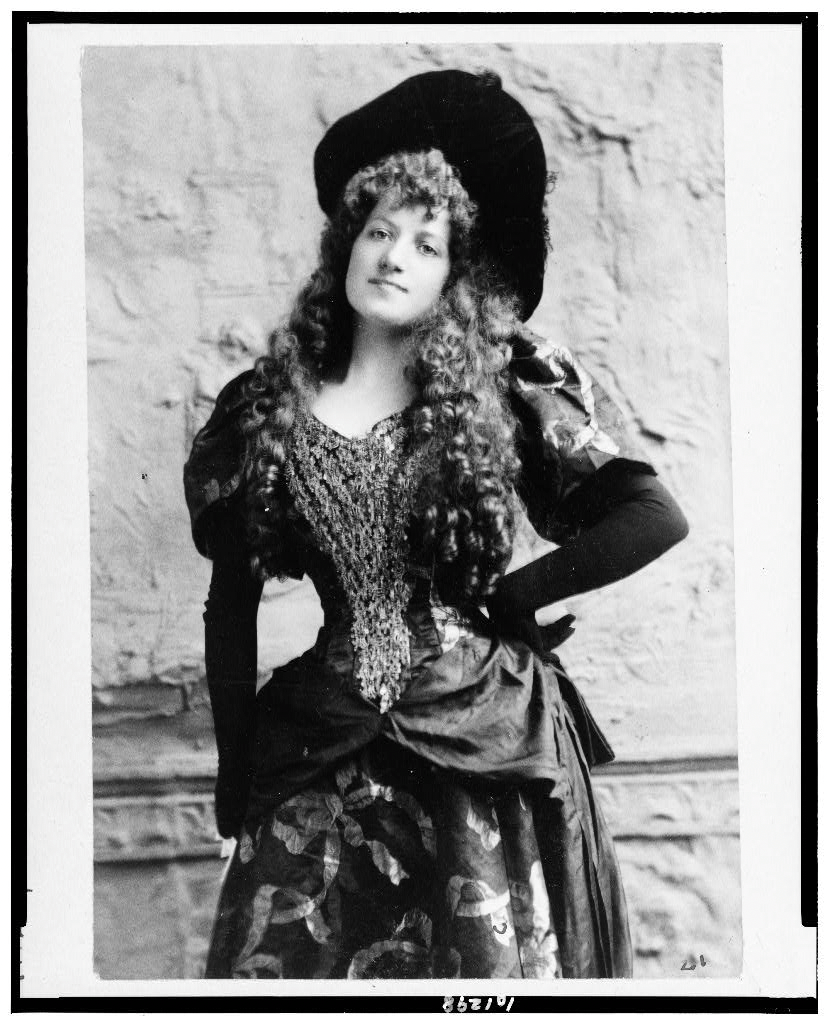
Some of the pictures are pretty funny but one thing that stands out to me is the tolerance for imperfections and the variety of styles and builds. Perhaps it allowed many more women to feel acceptable?
 old spirituals