Want to read the story of this famous con woman from the beginning? Click here!
Cassie had defrauded the National Bank of Oberlin and its president of everything. But why did she need so much money? She was already married to a wealthy man and lived in a mansion.
Her neighbors on Millionaires’ Row were not impressed with Dr. Chadwick’s new wife. They watched with disapproval as she replaced the expensive paintings, furniture, and décor in the mansion with even more expensive items. My guess is the neighbors were mostly old money, with inherited fortunes, and they looked down on Cassie’s ostentatious spending, as behavior typical of new money.

Western Reserve Historical Society
A few examples of her lavish presents include bestowing expensive rings on her old acquaintances back in Canada, some of which would be worth over $100,000 today. She purchased ten grand pianos for friends, and a golden one for herself. She commissioned 31 paintings of herself from a famous miniature painter, set in ornate golden brooches to give to her friends. Her female servants received sealskin coats valued at over $40,000 in 2025. It’s easy to be generous with other people’s money!
Her loans from financial institutions totaled $1.25 million, about $45 million today. She likely received a lot of private loans as well.
Let’s take a look at one other con that Cassie pulled off. It offers some insight into her methods.
Iri Reynolds was the secretary and treasurer of the Wade Park Banking Company, and a good friend of Dr. Chadwick. One day, Cassie came in and asked to speak to him. She showed him a bundle of papers and explained they contained securities worth $5 million. She described the securities in detail and asked Reynolds to act as custodian of the funds and send her the annual interest of $175,000.
Reynolds’ next step should have been to scrutinize the securities and confirm their authenticity. But he hesitated. Maybe he didn’t want to offend his friend Chadwick.
This was the dangerous moment for Cassie. If Reynolds investigated, of course he would discover her securities were fraudulent and that would call everything else into question.

Cassie Chadwick
She leaned forward and asked, “Would you like to go over the securities?”
That wouldn’t be necessary, Reynolds told her. He accepted the securities without opening them and gave her a receipt. Later, when Cassie was exposed, the securities were opened. They contained a promissory note from “Andrew Carnegie” for five million dollars, with other worthless papers.
Andrew Carnegie again! For years, Cassie had told friends she was Carnegie’s daughter. This happens fairly often to powerful men but many people believed Cassie and this lie was central to every con she pulled off after 1897.
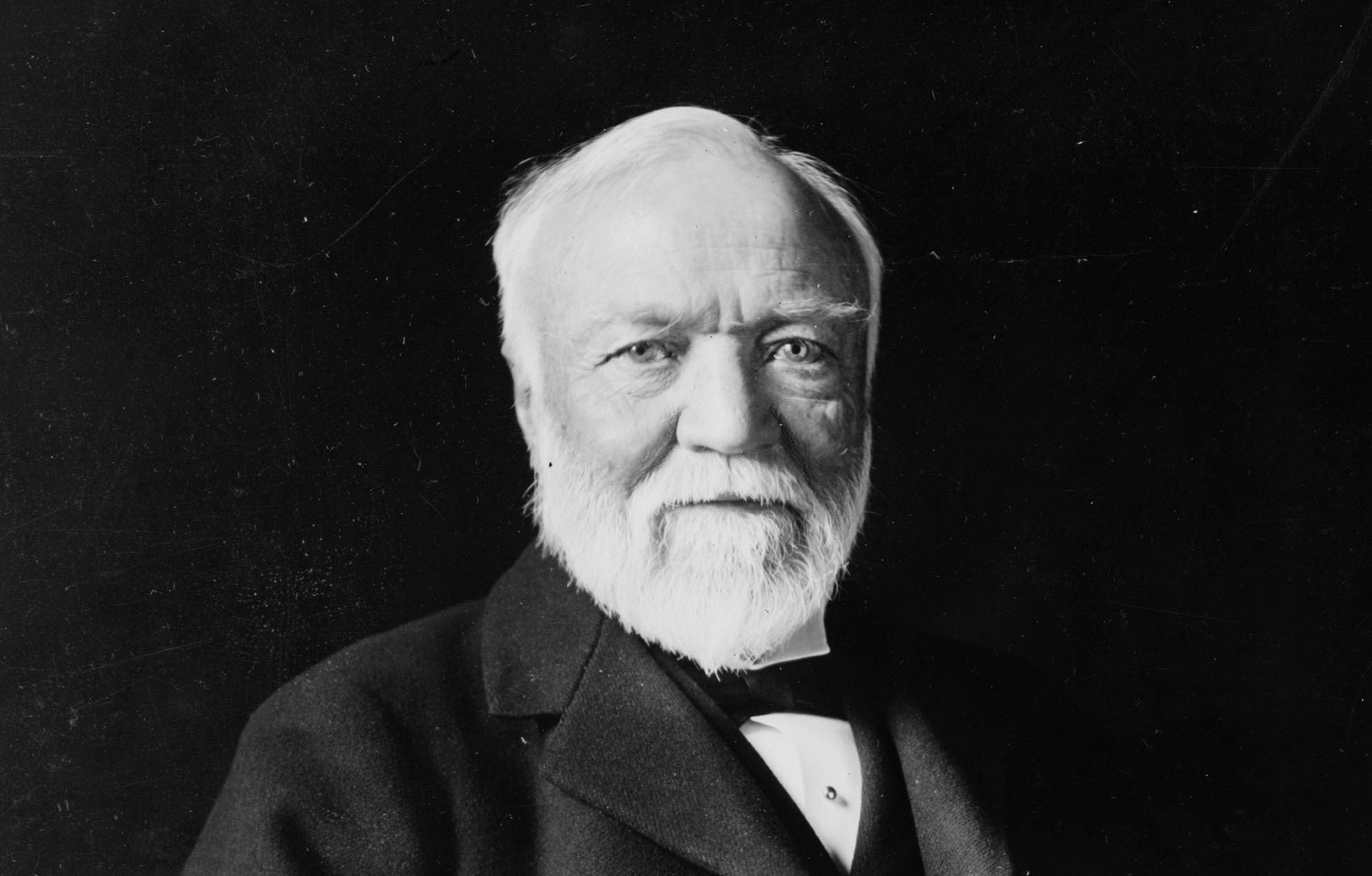
Shortly after their marriage, Cassie and Dr. Chadwick visited New York City. One afternoon, Cassie asked her husband’s friend, an attorney named Dillon, to take her to Andrew Carnegie’s residence. As Dillon watched, Cassie walked right up to the front door and was admitted into the home. Inside, she merely spoke with the housekeeper, But when she came back out a little later to rejoin Dillon, she created the appearance that she had been speaking with the great man himself. She managed to drop a paper, which Dillon picked up. When he handed it to Cassie, he saw it was a promissory note for $2 million bearing Carnegie’s signature. After extracting a promise from Dillon to keep her secret, Cassie told Dillon she was the great industrialist’s illegitimate daughter. It was Carnegie who funded her lavish lifestyle. This $2 million note would be added to the $7 million she had at home in Cleveland. Upon Carnegie’s death, she would inherit $400 million. Dillon, believing himself to be a trusted confidant, promised to get a safe deposit box where Cassie could keep these promissory notes.
Of course Dillon didn’t keep this secret to himself. Cassie knew he wouldn’t, which was why she had worked so hard to make him believe she was Carnegie’s daughter. Her story soon “leaked” and suddenly financial institutions were eager to loan Cassie money—with exorbitant interest rates, of course!
But now it was time for Cassie to take a fall!
 old spirituals