I read an article last week about a woman who had been cured of tuberculosis in Washington state. Tuberculosis–once a dreaded disease known as consumption or the White Death–which was caused by bacteria that attacks the lungs, can spread when a person with an active case coughs, sneezes or speaks. A person with active, untreated tuberculosis (TB) is likely to infect 15 people or more per year. This particular woman refused treatment for years. State authorities contacted her repeatedly and finally pursued legal action to isolate and treat her. She was finally arrested last year after she was seen boarding a bus. Once in custody, she agreed to treatment.
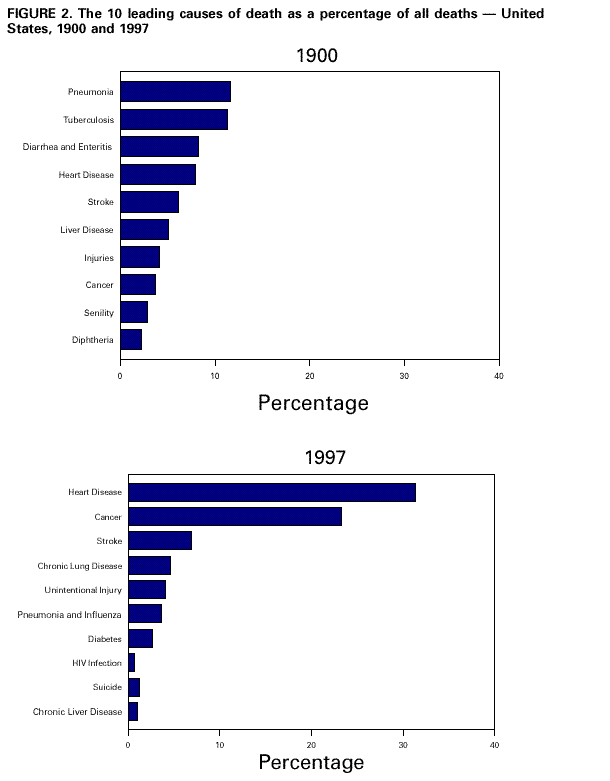
We rarely hear of tuberculosis today, though over 13 million people in the US presently have latent infections, meaning they’re asymptomatic and are not contagious. Today, TB can be prevented with a vaccine and treated with antibiotics. Active cases have been on the rise over the past four years after decades of decline. Even this hasn’t caused the alarm that it would have years ago, as effective treatment does exist. But consumption was not always so easy a problem to handle. In 1900, TB was one of the top three leading causes of death, accounting for over 10% of all deaths in the United States. By 1997, it was no longer in the top 10.
 CDC
CDCStrangely enough, during the period when TB was wreaking havoc in the population, it was also called a romantic disease. It was almost fashionable to have it. Perhaps that was due to so many great artists, composers, musicians, and poets had the disease or created art representing it. Women wore makeup to make their skin paler, like a TB patient. I’ve read many books that feature characters who have consumption and it is romanticized. Even the wildly popular poet Lord Byron once wrote, “I should like to die from consumption.”
I found a group of photos related to TB in the first half of the twentieth century, before there was effective prevention and treatment. Back then, infected people were quarantined in sanatoria, such as Kentucky’s Waverly Hills Sanatorium.
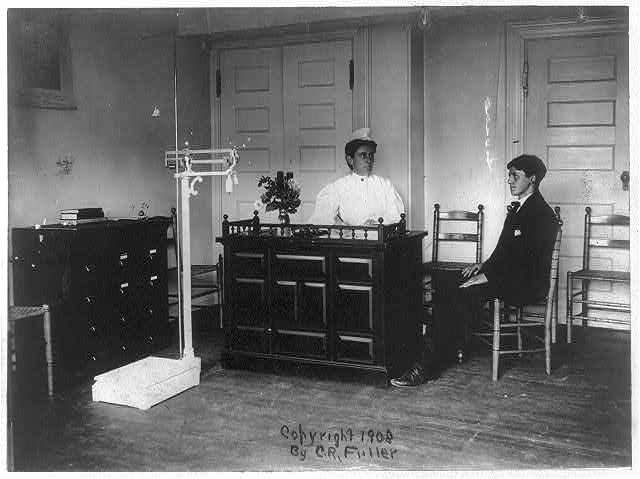 Receiving room of tuberculosis clinic, Schenectady, N.Y. 1908 LOC. Looks grim.
 Waverly Hills sanatorium. The building is said to be one of the most haunted places in America.
 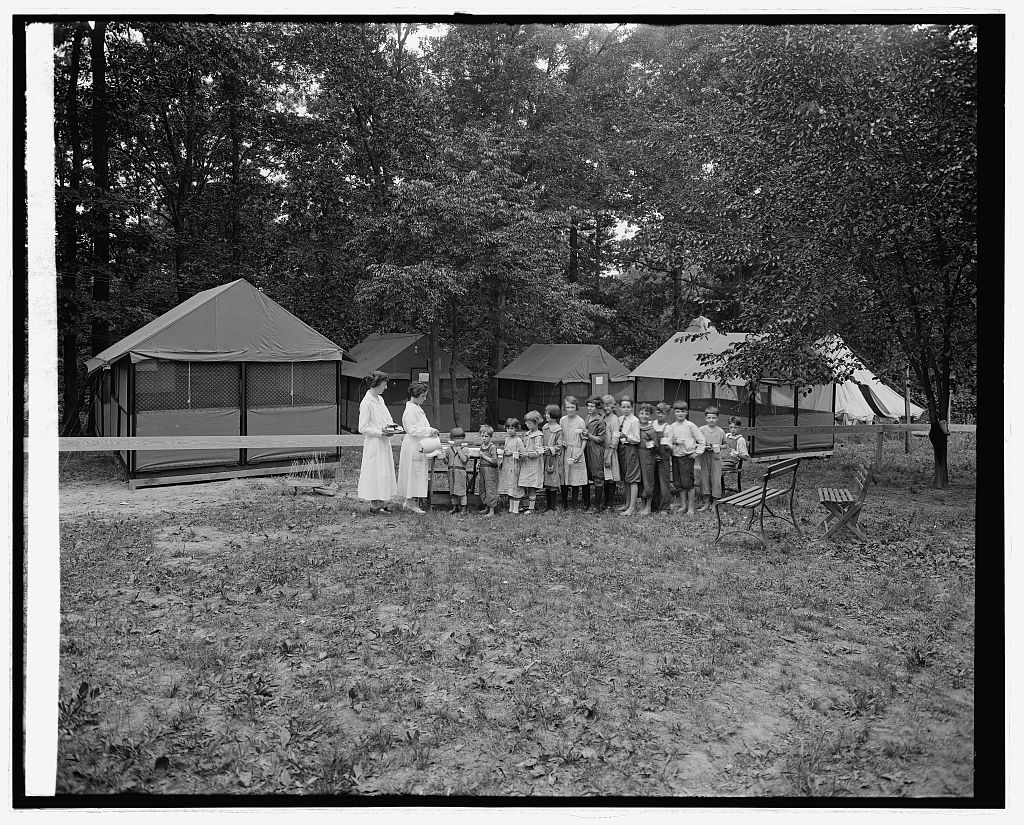 TB Camp 1910 (LOC)
 Chateau Hachette, ARC., Tuberculosis Hospital 1914 (LOC)
 TB Barracks, Paris 1917
 County Tuberculosis Society 1919 LOC
 Pres. Coolidge buys tuberculosis seals, 1924
 Mrs. Hoover buying tuberculosis seals Dec 17 1929
 Hassler Health Farm in San Carlos, CA. Feb 1934
https://digicoll.lib.berkeley.edu
 old spirituals