Hello Old Spirituals readers!
I’ve sure missed talking with you. I feel like I’ve been living in a submarine for years and am just now resurfacing. Nothing much to tell about being sick. I got the same upper respiratory infection that a lot of people have but I treated it with over-the-counter remedies. It wasn’t the smartest choice I ever made. Before I knew it, I was really sick. Eventually, I saw the doctor, ingested what was probably the entire inventory of the local pharmacy, and voilà! I’m back, with Lauren Bacall’s voice.
Our musical selection is Why Don’t You Do Right (Get Me Some Money Too) by Peggy Lee.
Today’s post originates with a present from my cousin Larry. It’s a cast iron skillet that was manufactured sometime between 1905 and 1930. How is that for a tremendous gift? Yesterday I tried it out and I really like it.
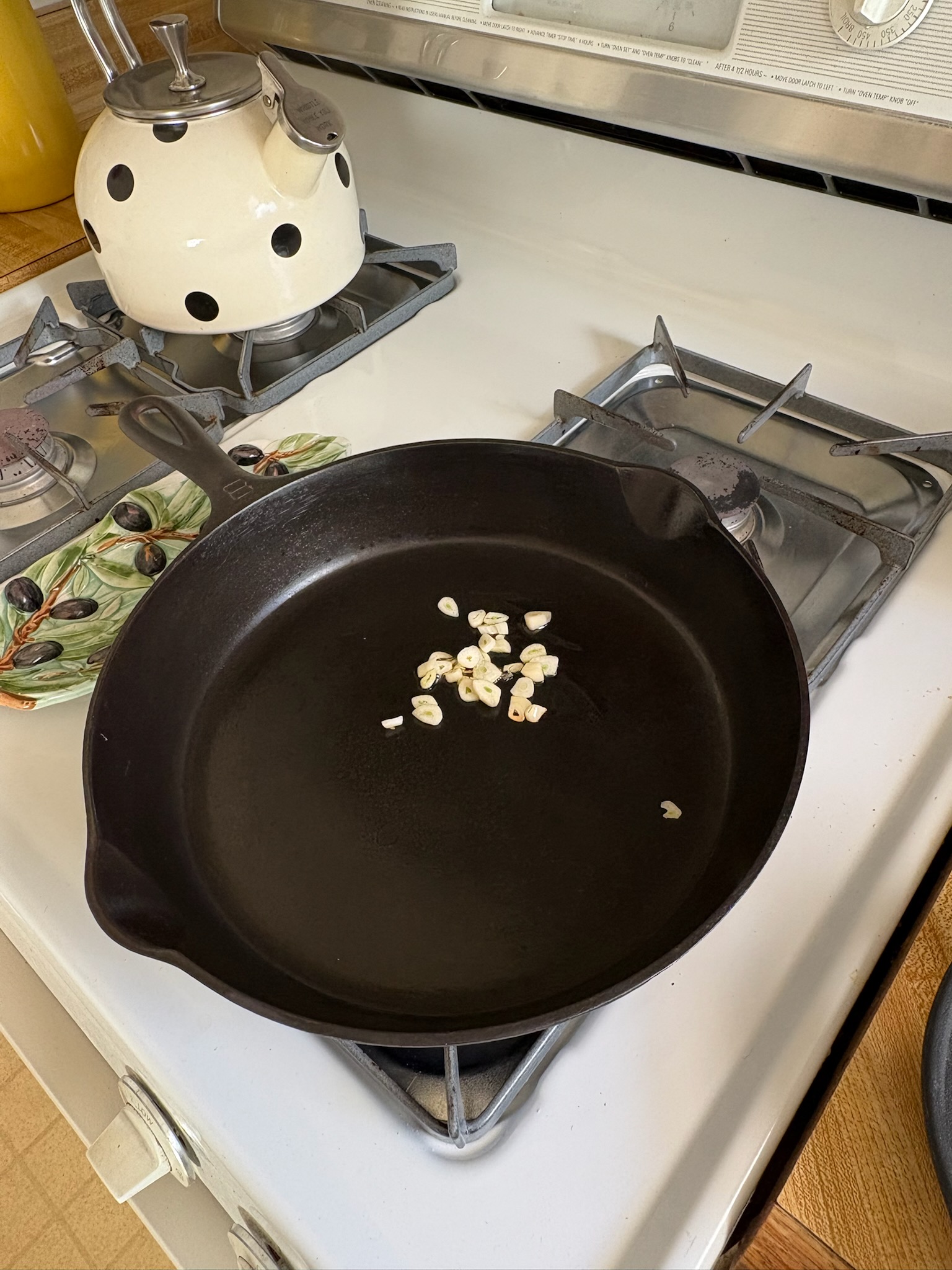
When I thanked Larry, he said he’d picked up the skillet somewhere between eastern Kentucky and central Georgia and restored it himself. He took up working with cast iron pieces as a hobby during the pandemic.
I like cast iron but it’s not something I’d ever given a lot of thought to. Listening to Larry talk made it really interesting though. He’s got an encyclopedic knowledge of the history of it. More impressively, he’s knows how to restore these old products. I’m going to paraphrase what he said but hopefully he’ll add more in the comments.
The skillet he gave me was manufactured by Griswold. They were in business from the mid-1880s through the mid-1950s. People like Griswold products because they’re lightweight, which is funny. The first thing I noticed about this skillet was how heavy it is compared to other skillets I’ve used. Relative to other cast iron, though, it’s lightweight.
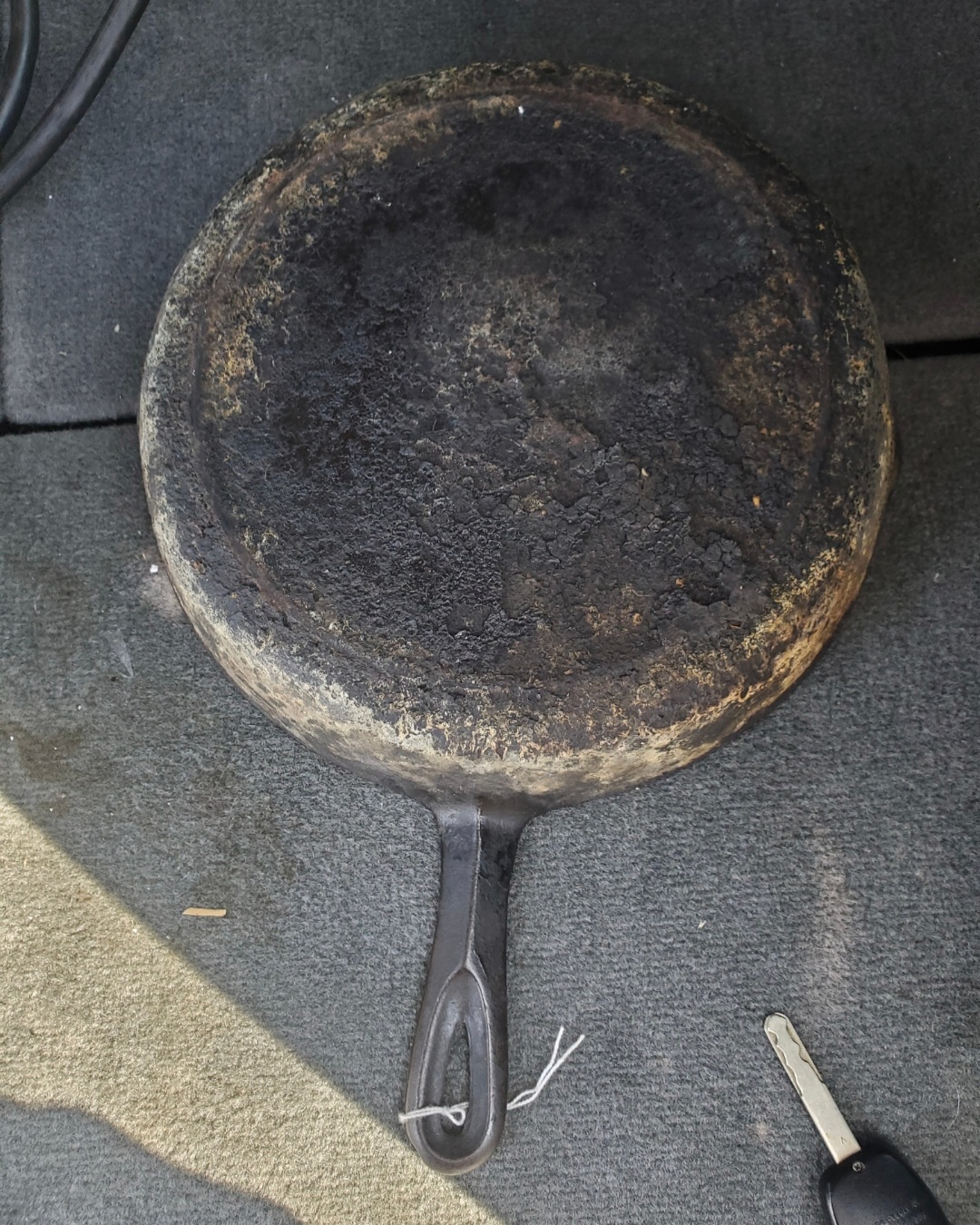
When Larry finds these cast iron products, they generally are in poor shape and haven’t been used for years. This is an example of the way they look when he finds them.
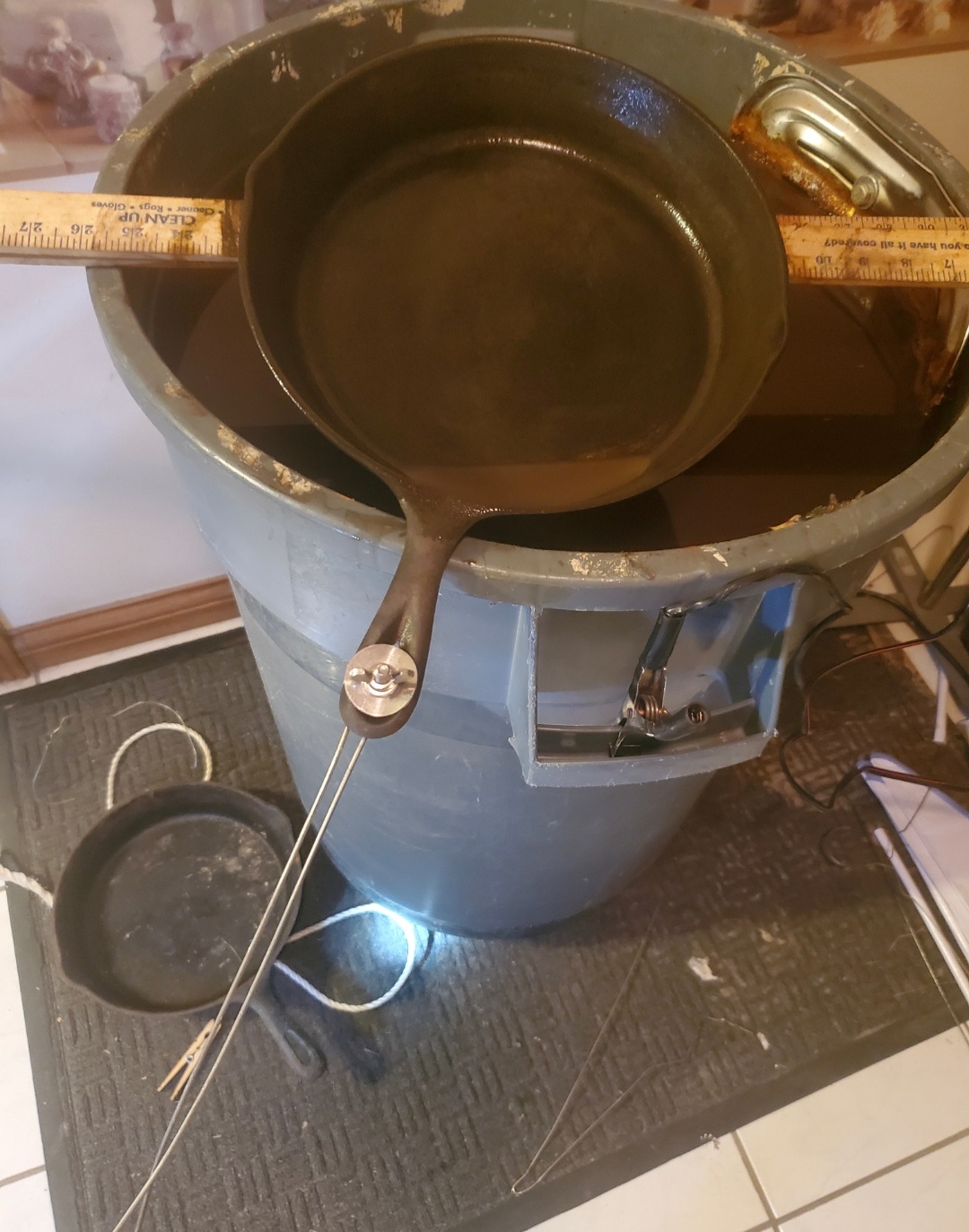
The process for restoring them sounds pretty complex. Larry has an electrolysis tank to clean them and then he refinishes them using grapeseed oil to make a hard but flexible non-stick surface. If you use a restored skillet normally, it’s easy to maintain and clean. Over time, it builds up layers of seasoning.
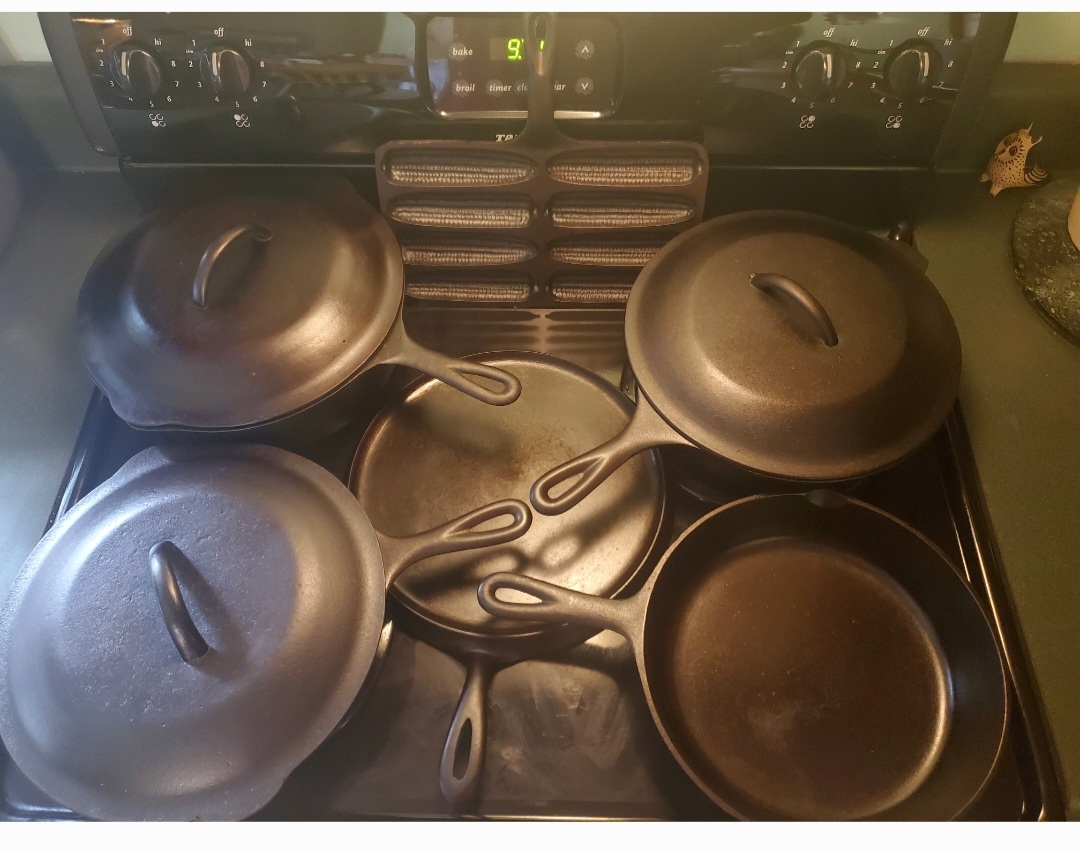
You all know I love a good prison connection. At the turn of the century, some prisons had forges where inmates made cast iron to sell. Larry has several skillets that were made in the Kentucky State Penitentiary in Eddyville.
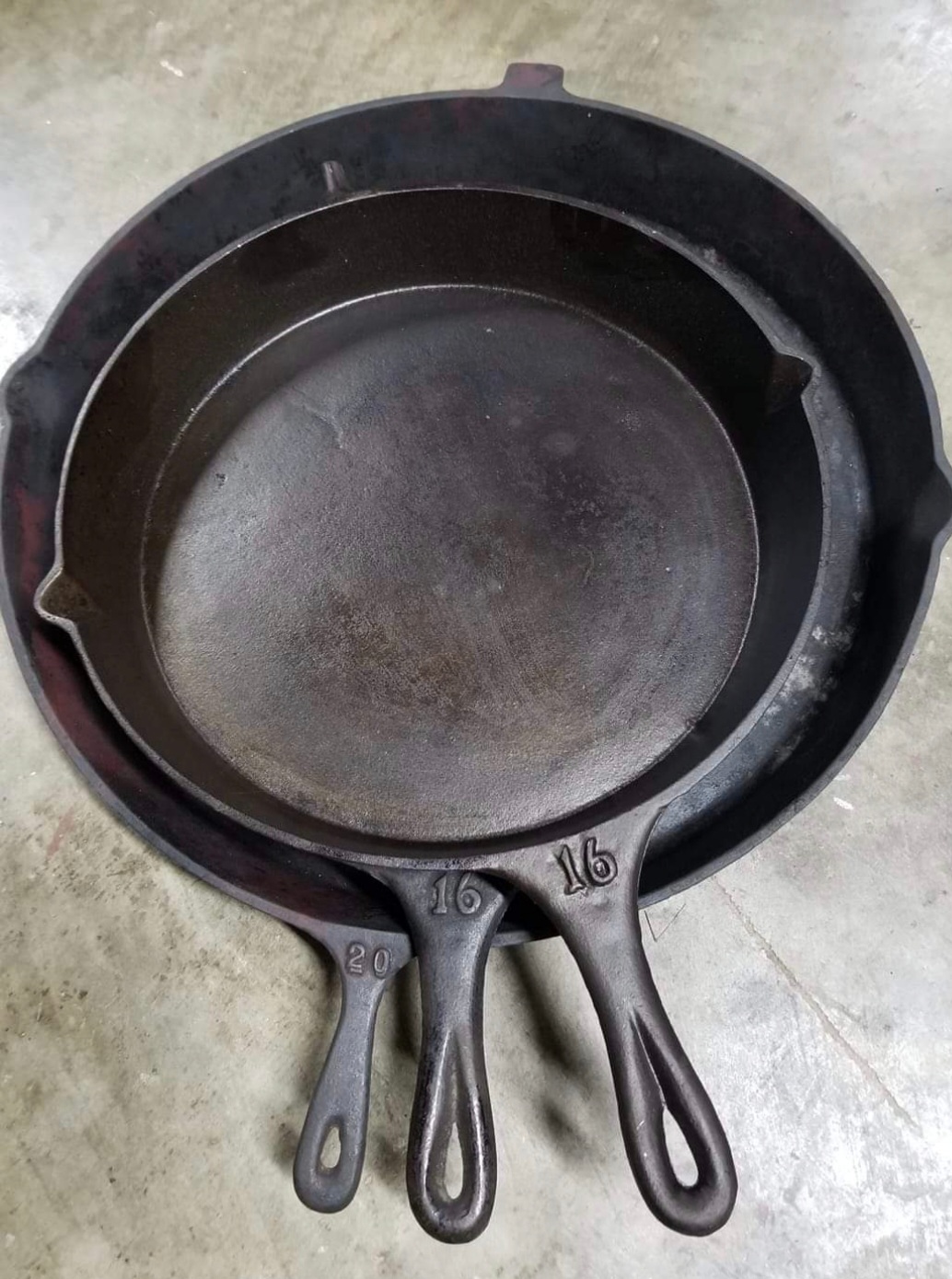
I asked about the numbers on these skillets and it refers to the diameter. Larry said originally the size referred to the eyes of the wood stove it fit, but later it referred to the cooking area. You can see those Eddyville skillets are big. He said they must be older models because they have more pointed pouring spouts.
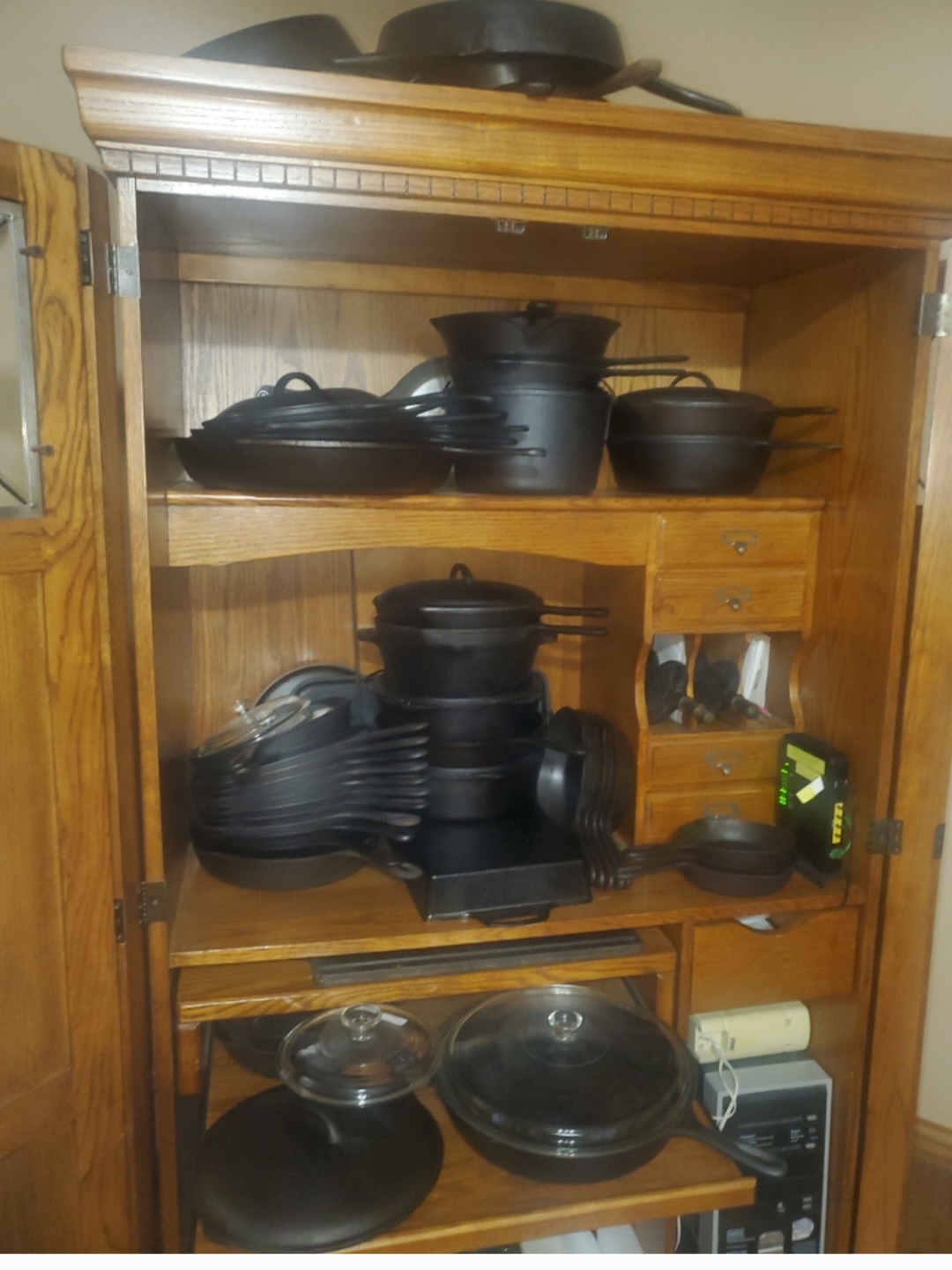
Larry occasionally sells his restored cast iron pieces at the vendors mall in Corbin, Kentucky but he’s much more interested in restoring the history than selling the finished product. I’m hopeful he’ll create an Etsy store where he can sell his pieces and a YouTube channel where he can teach people how to cook with them and maintain them. I bet a lot of people would like a restored cast iron skillet like the one he gave me! I’d buy another one myself.
By the way, if you’re interested in Griswold cast iron, this site has some tips to help you verify the authenticity of a particular piece.
And if you happen to be in South Pittsburg, Tennessee, you can visit the Lodge Cast Iron Museum.
 old spirituals