If you haven’t read the earlier installments of this series, go to The Mad Love of Mrs. Mort, Part 1

Part 10: The Verdict
The trial was near its end. The defense was complete and William Coyle rose to make his final appeal for the Crown. His terse presentation was at odds with Mr. Mack’s dramatic, windy style, a fact that probably ensured the jury’s gratitude.
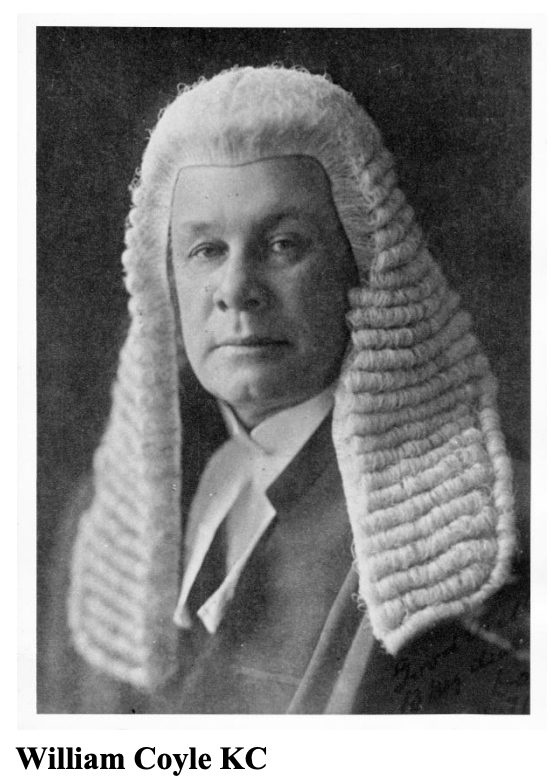
“My friend has thought fit to attack the memory of Dr. Tozer. He has attacked his reputation; attacked him because he betrayed his trust as a medical man—betrayed the trust we all expect a decent man not to betray.”
Nobody excused Dr. Tozer’s seduction of his patient, Mr. Coyle said. But did the doctor’s guilt absolve Mrs. Mort of all responsibility? “He loved unwisely, but too well. The accused loved unwisely, but too well. There is nothing that can be said against one that cannot be said against the other.”
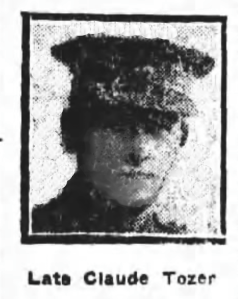
Dr. Tozer paid the penalty for his sins. Now the jury must put aside their sympathy and calculate what Mrs. Mort’s penalty was to be.
The barrister expertly dismissed Mr. Mack’s arguments. If the defense was seriously suggesting Dr. Tozer committed suicide, why didn’t they question the medical experts about that possibility? If the doctor saw Mrs. Mort shoot herself in the chest, seized the gun and shot himself three times, why didn’t the defendant ever claim that was what happened? How did Claude Tozer, a doctor, attempt to shoot himself in the heart and miss? How did he defy the laws of physics and shoot himself in the back of the head?
Mr. Coyle didn’t spend much time refuting the suggestion that a prowler had shot the doctor with Mrs. Mort’s revolver and cartridges. How and why would anyone do that? If someone had, why didn’t Mrs. Mort scream or say anything about it? For what purpose did this person tear up Mrs. Mort’s photograph and visiting card?
No. Dorothy Mort murdered Claude Tozer. The question the jury had to determine was whether she was insane when she did it. They were asked to put aside Mrs. Mort’s confessions as unreliable. But were they?
“She described his wounds,” Mr. Coyle said. “She said she was standing behind him, showing him a present she bought for him, and shot him in the back of the head while he was looking at it. The visiting card found in the room tends to show that what she said in those confessions were the facts. It read, ‘From the woman you swore you loved, and whom you said was the greatest incentive for good in your life.’ Obviously that card accompanied the present.”
The doctors said Dorothy Mort was insane when they saw her two days later but nobody said she was insane that morning. Was she insane when she wrote to Mrs. Tozer describing how Claude betrayed her? Mr. Coyle suggested an alternative theory. Dorothy Mort killed Claude Tozer and determined she would die with him. She laid down on his lap and shot herself. “She was the most surprised woman in the world when she found she was still alive. The horror of it all came home to her and she lost her mind.”
“This woman acted on the primitive theory that men and women have always acted on. They love a man they can’t have, and they vow no one else shall have him. That may be a mad woman’s theory or a sane women’s theory.”
“They were to die together, and the beautiful, splendid life she had talked of was to go on afterwards. He would not remain for another woman. And she had no desire to remain if he was dead.”
Mr. Coyle bowed. His work was done.

Chief Justice William Cullen charged the jury. He advised them not to be swayed by sentiment nor the fact the defendant was a woman. They must decide the case on the facts and whether they thought Mrs. Mort’s confessions were reliable. If reasonable doubt existed that she didn’t fire the shots, she was not guilty.
If the jury believed Mrs. Mort fired the shots, they must contend with the question of her sanity. Did she understand what she was doing? Did she know right from wrong? The murder was carefully planned but insane people could plan and carry out crimes without being legally responsible. The medical witnesses’ unanimous opinion was that Mrs. Mort was insane. But if the jury thought she was sane, she was guilty.
The jury retired at 12:30 to consider their verdict. Mrs. Mort appeared to be asleep with her head resting on the wardress’ shoulder but court officials soon realized she had fainted. When a doctor failed to awaken her, two police officers lifted her chair, and carried her from the room. At 2 p.m., Mrs. Mort and wardress reentered the courtroom followed by the jury. Again, Dorothy collapsed.
The foreman gave the jury’s verdict. “Guilty, while accused was of unsound mind.”
Chief Justice Cullen explained that under the provisions of the Lunacy Act, Mrs. Mort must be kept in custody. Mr. Coyle volunteered that cases like these were typically sent to Long Bay Penitentiary and the Chief Justice assented.
“Mrs. Mort appeared incapable of taking any notice of the proceedings, and was carried out of the court in the chair upon which she was seated,” The Week newspaper reported.
Now that she was guilty, Mrs. Mort’s mugshot was taken, marking the beginning of a new life behind bars.

Dorothy Mort, 18 April 1921. State Reformatory for Women, Long Bay, NSW
Creator: New South Wales. Dept. of Prisons
Just two installments left! Read Part 11: Dorothy Clears Claude’s Name
If you liked this post, please subscribe to Old Spirituals, like and share the post on your social media, and leave a comment! It really helps other people find the site. And if you’re so inclined, check out my books on Amazon or click the button to Buy Me a Coffee!

 old spirituals