Joseph Turner Keiley was an American attorney and photographer. He was born in Maryland but spent his life in Brooklyn, New York.
An attorney by trade, Keiley developed a deep love and appreciation for art and literature. While he cofounded his own law firm, Keiley & Haviland, he wasn’t interested in politics. Instead, he devoted his free time to literature and art, especially the new field of photography.
He began working as an amateur photographer in the mid-1890s and a fateful meeting with Gertrude Käsebier encouraged this interest. Aside from his photographs, he produced many technical articles on the subject and began to build a strong reputation. I believe the only Keiley photograph we’ve covered prior to this on Old Spirituals is Lenore.
Joseph Keiley, photographed by Gertrude Käsebier in 1900:

wikimedia
In 1900 Joseph Keiley joined the Camera Club of New York and had a one-person exhibition in the Club’s gallery. He met Alfred Stieglitz there, who founded the Photo-Secession movement. Stieglitz was serving as the editor of the Club’s journal Camera Notes, and the two quickly became lifelong friends and collaborators. Keiley soon became the Associate Editor of the journal, as well as one of its most prolific writers and photographic contributors.
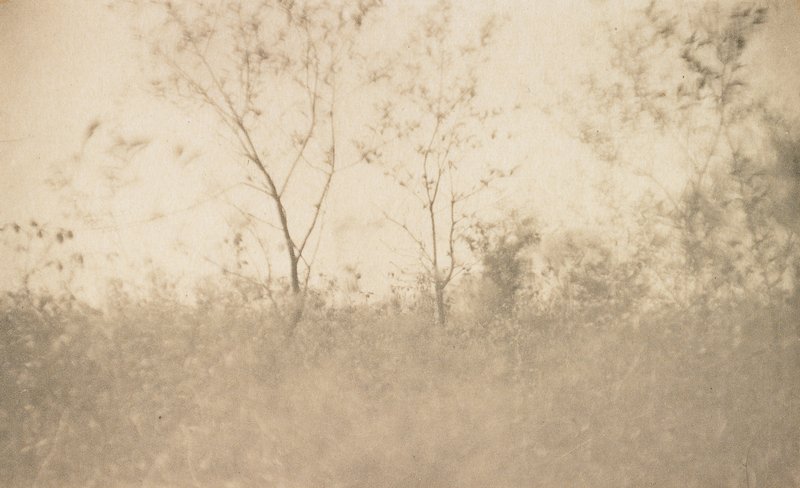
A 1907 photograph by Keiley:
artsmia.org
In 1902, Keiley’s prints were included in the inaugural exhibition of the Photo-Secession at the National Arts Club. Stieglitz founded the Camera Work journal in 1903 and named Keiley as the associate editor.
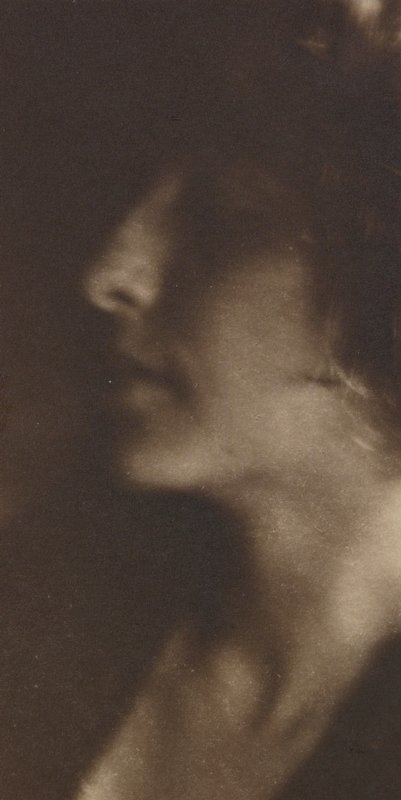
Mercedes de Cordoba, the wife of the prominent modernist painter Arthur Carles, was one of his favorite subjects:
artsmia.org

americanart.si.edu

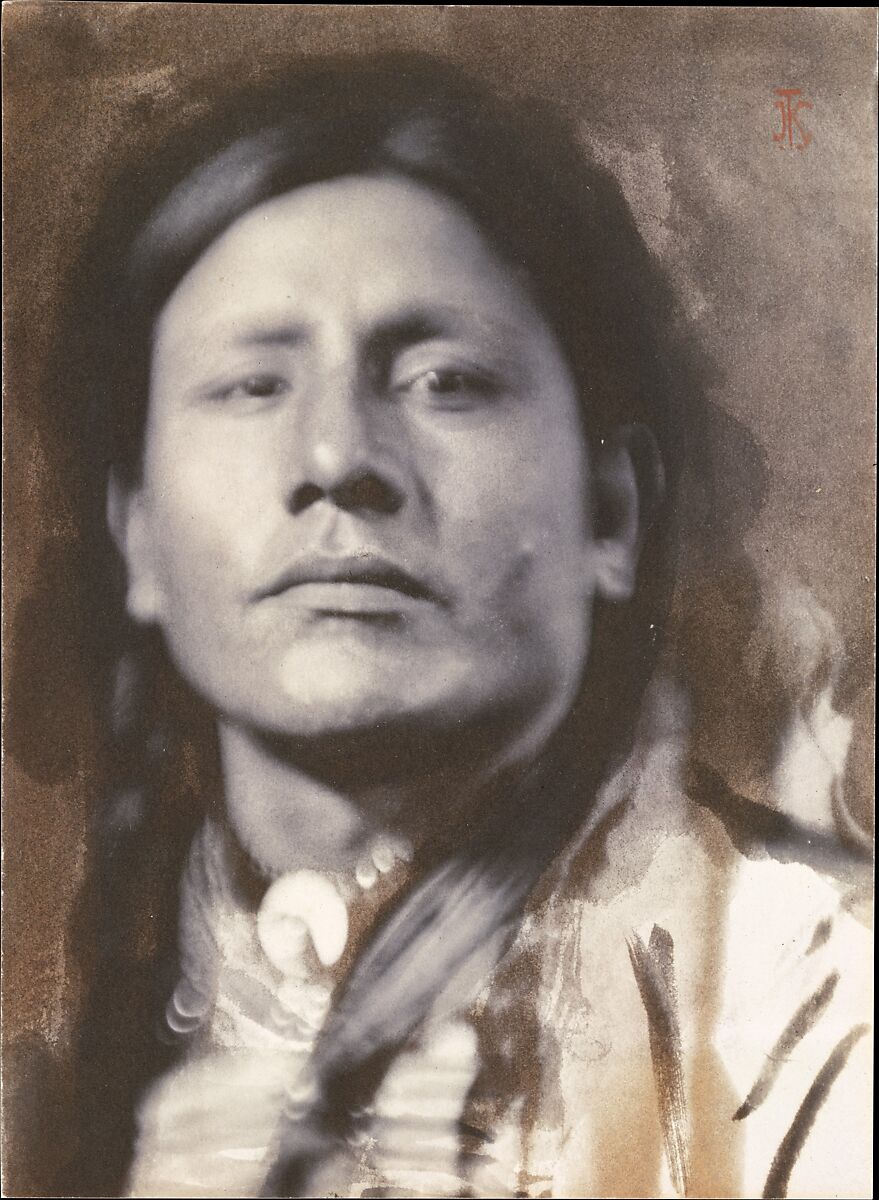
This photographic style was pioneered by Joseph Keiley and Alfred Stieglitz. They coated the exposed platinum print with glycerine to mimic a wash drawing which gives the image a look that blends the brushstrokes of painter with photography,
Met Museum
Joseph Keiley died at home in Brooklyn of Bright’s Disease on January 22, 1914. He was 44 years old.
During his life Keiley’s photographs were exhibited in more than two dozen international exhibitions. People like Joseph Keiley amaze me. He produced a tremendous amount of photography, experimental techniques, journal articles, and instruction in his short lifetime, all while practicing law. But he was more than that. You get a sense of the deep loss his friend Stieglitz felt. He wrote a eulogy for him and Keiley’s name remained on the masthead of the Camera Work journal until it ceased publication in 1917.
Keiley made this picture in July 1903. He called it The Last Hour.

artsmia.org
 old spirituals