I believe anything is possible. Though I might feel discouraged and hopeless about different things, my underlying belief is that as long as you’re alive, anything is possible. As Anjelica Huston said in Ever After: “Darling, nothing is final until you’re dead. And even then, I’m sure God negotiates.”
I romanticize the past and I have to remind myself there are things we want to leave behind. Measles, outhouses, contaminated foods, things like that.
Yet I feel a sense of loss when I see how the United States once looked. The degradation of our cities is particularly painful. It’s difficult to identify a single cause that manifested the overcrowding, crime, ugly architecture, lack of pride in our appearance, et cetera. Many people don’t realize our cities ever looked different from how they do today. I suppose that was also true of people living in 1900. Travel was a lot harder and prohibitively expensive. Your average Nebraskan had no idea what New York City was like, and vice versa.
The pictures in this post show different lives in America from 1900-1910. What do you notice? The people, the buildings, the energy? What attracts or repels you?
Musical accompaniment: Evergreen by Roy Orbison.
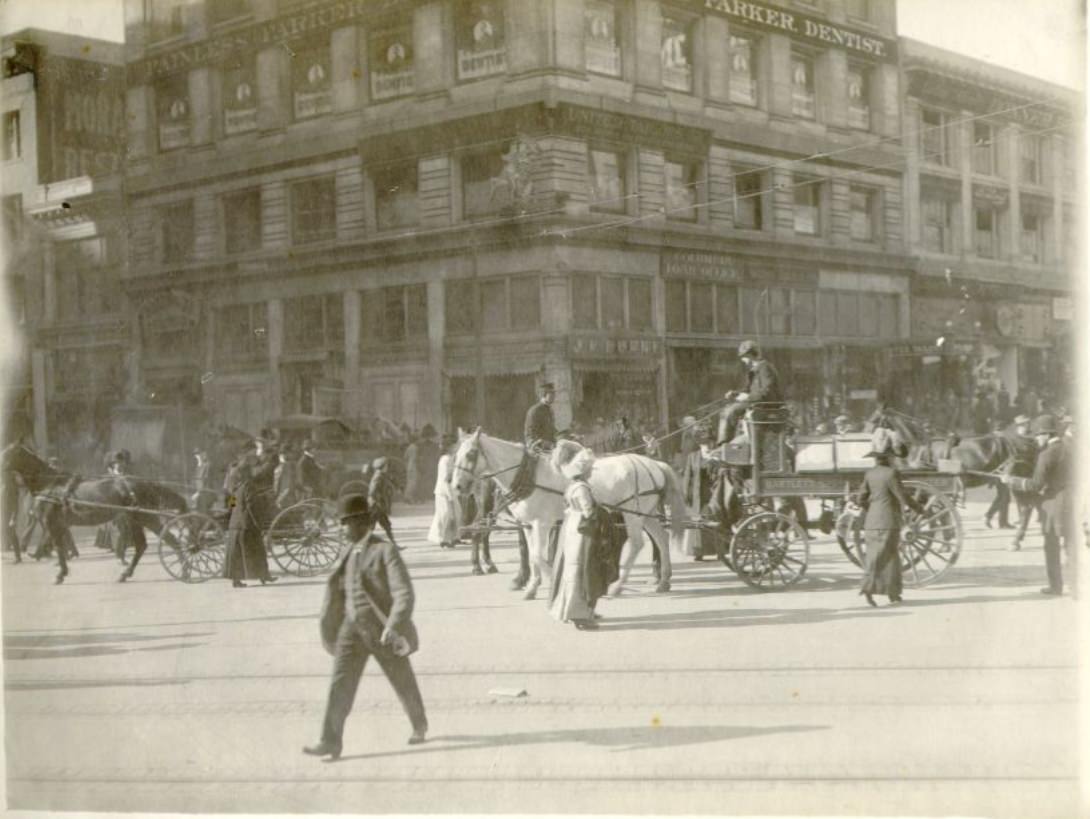
This is Market street and Stockton, San Francisco, 1909:
From Bygonely
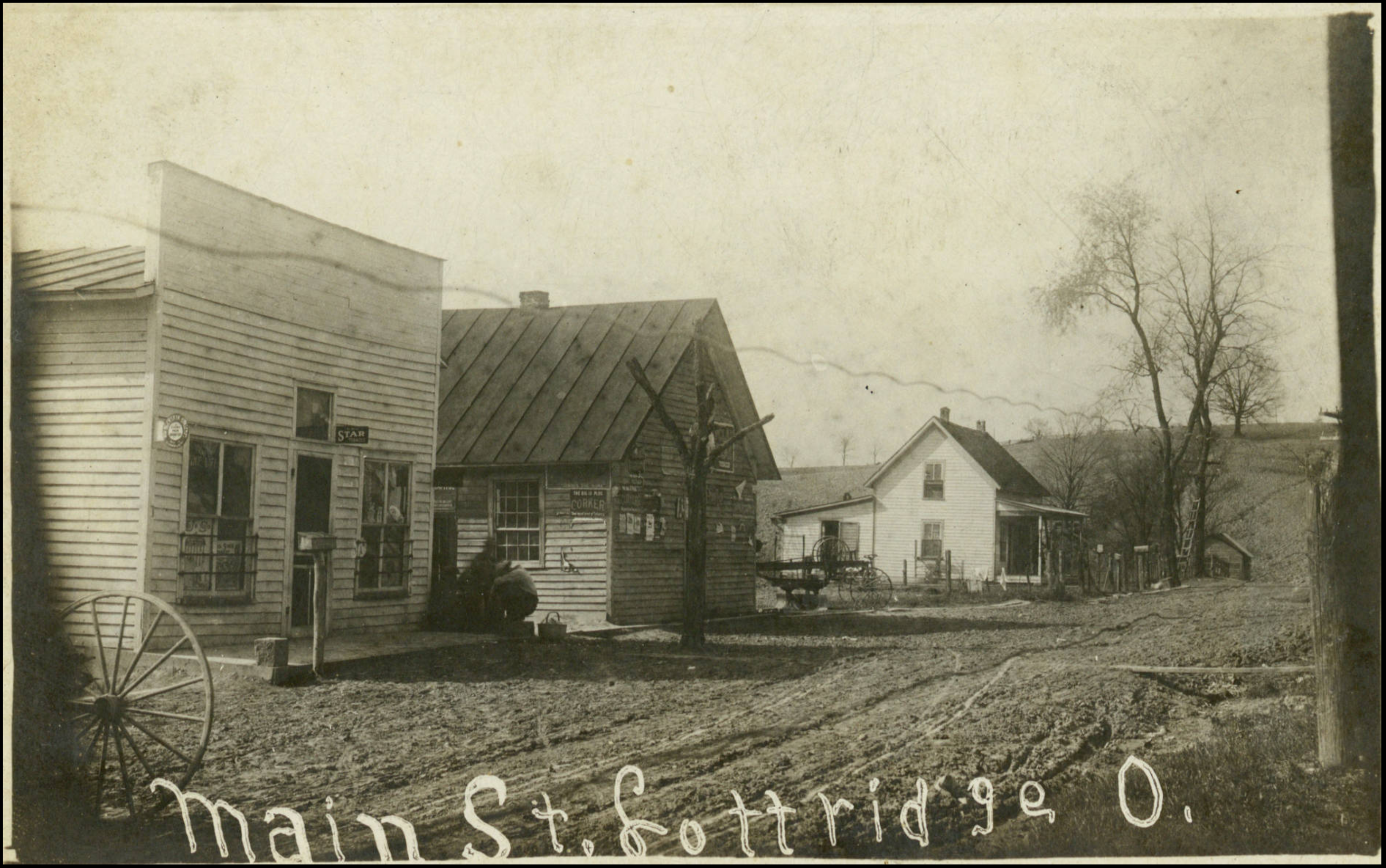
Main Street in Lottridge, Athens County, Ohio, 1900
OhioMemory.org
Two men playing chess in Hoboken, New Jersey in 1907. Photograph by Alfred Stieglitz.

Moonlight on the Hudson River in 1904:

LOC
Portrait of Middlebury College alum Faith Powers, class of 1907. Vermont.

Archive.org
A house in the country in Indiana as autumn set in, 1900.

Indiana Historical Society
The library at the Biltmore Estate in Asheville, North Carolina, 1905:

LOC
State hospital in Cherokee, Iowa. circa 1900. Photographer: Leroy F. Smith.

State Historical Society of Iowa, Des Moines
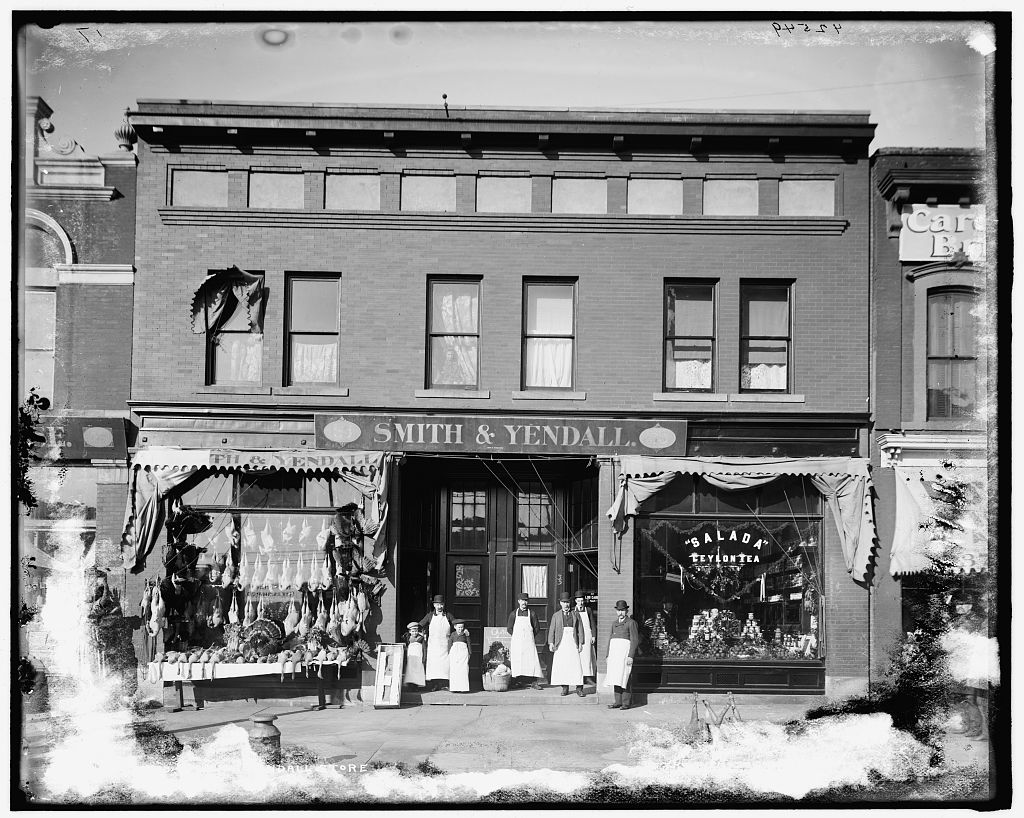
The Smith & Yendall General Store in Detroit, Michigan, 1900.
LOC
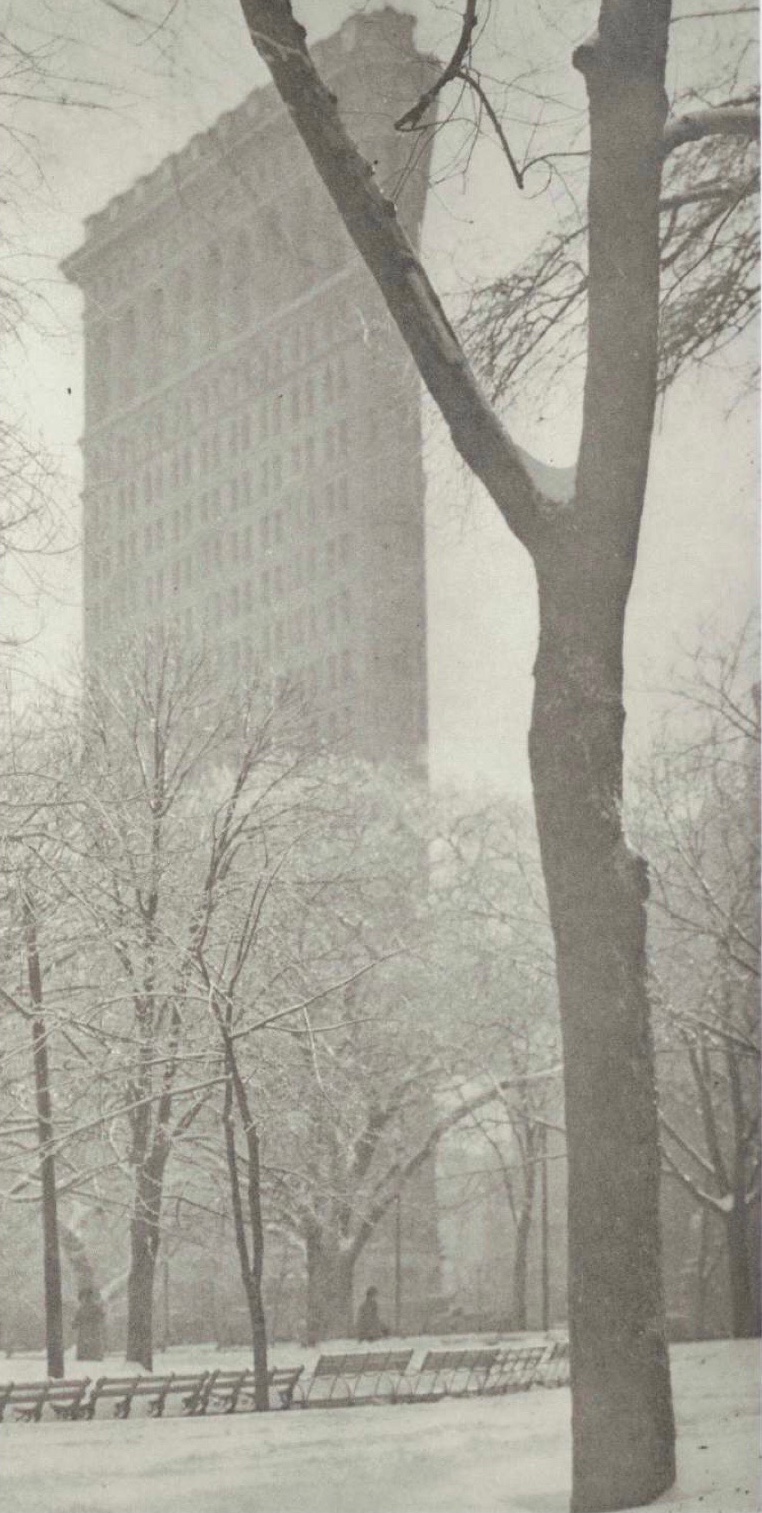
Alfred Stieglitz’ photograph of the Flatiron Building in winter of 1903.
The Hatfield family of West Virginia (of Hatfield and McCoy fame). The guy on the right is either a brave man or a fool.

100 and 200 blocks of St. Charles Avenue in New Orleans, 1900.
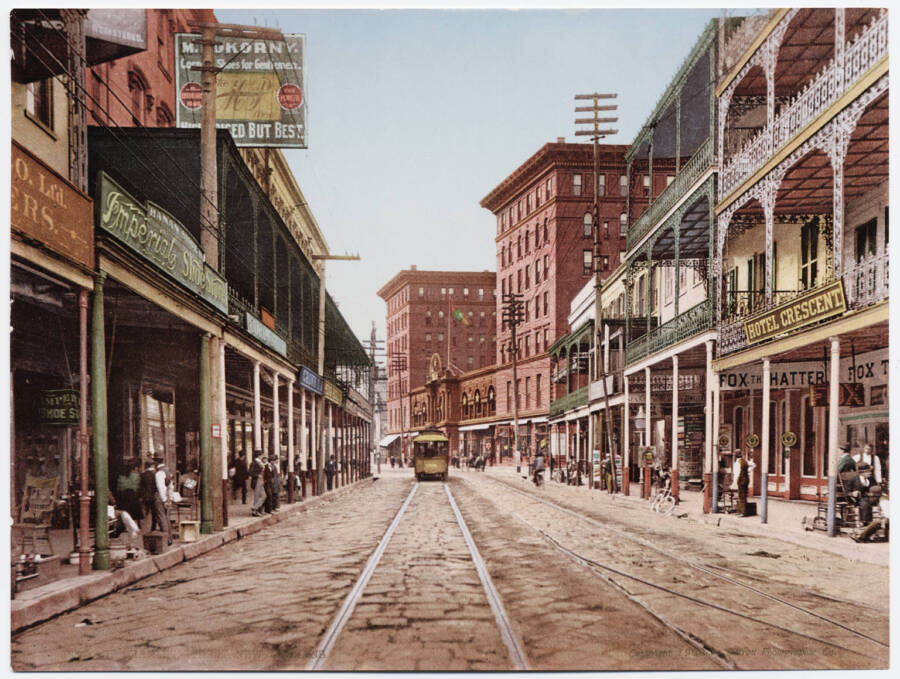
Wikimedia Commons
Panorama of Los Angeles. Circa 1898-1905.

LOC
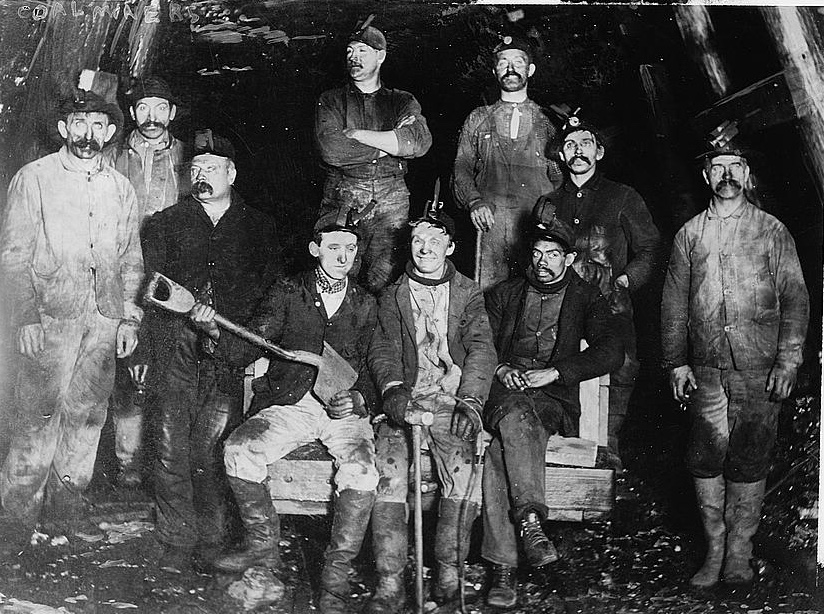
Mining was a common job but a very dangerous one. I once went on a tour of a mine. It was dark and cramped and I still remember how the air smelled. I can’t describe it but I know I’d recognize it if I ever smelled it again. I’m not exactly claustrophobic but I was very glad to leave when the tour concluded! My grandpa was a coal miner in Kentucky and it was hard work.
The first picture shows miners working by candlelight in 1906. The second picture is from 1910.

LOC
LOC
Blissfield, Michigan in 1910.

archive.org
Knoxville, TN in 1900. The YMCA, Fire Department, and Sheriff’s Office are visible.

LOC
Carmel monastery with orange California poppies. The second picture shows a few monks at the same location. Photographer: Frona Eunice Wait.

UC Davis
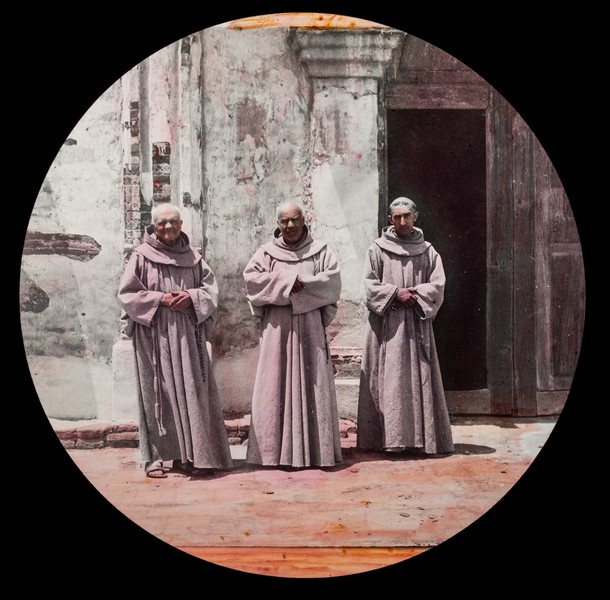
UC Davis
A well-to-do family, early 1900s.
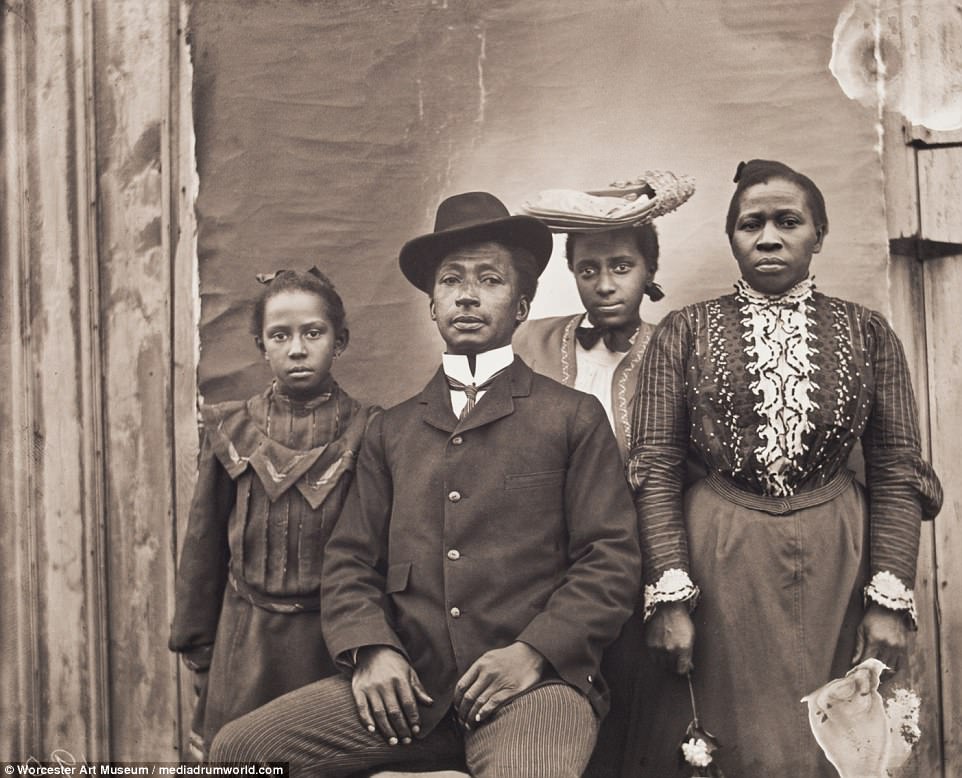
dailymail.com
Two men vacationing at Atlantic City Beach, 1900. The man on the right was W.P. Stewart.

Mississippi Dep’t of Archives & History
Actress Viola Allen, seated at writing table with ornate lamp, holding a pen in 1903.

LOC
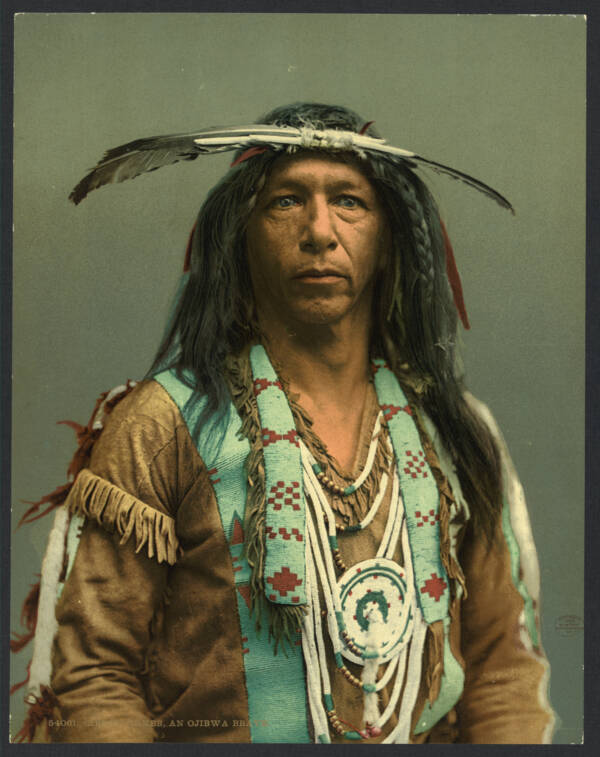
Arrowmaker, an Ojibwa brave, in 1903.
LOC
Colorado distillery workers:

History Colorado
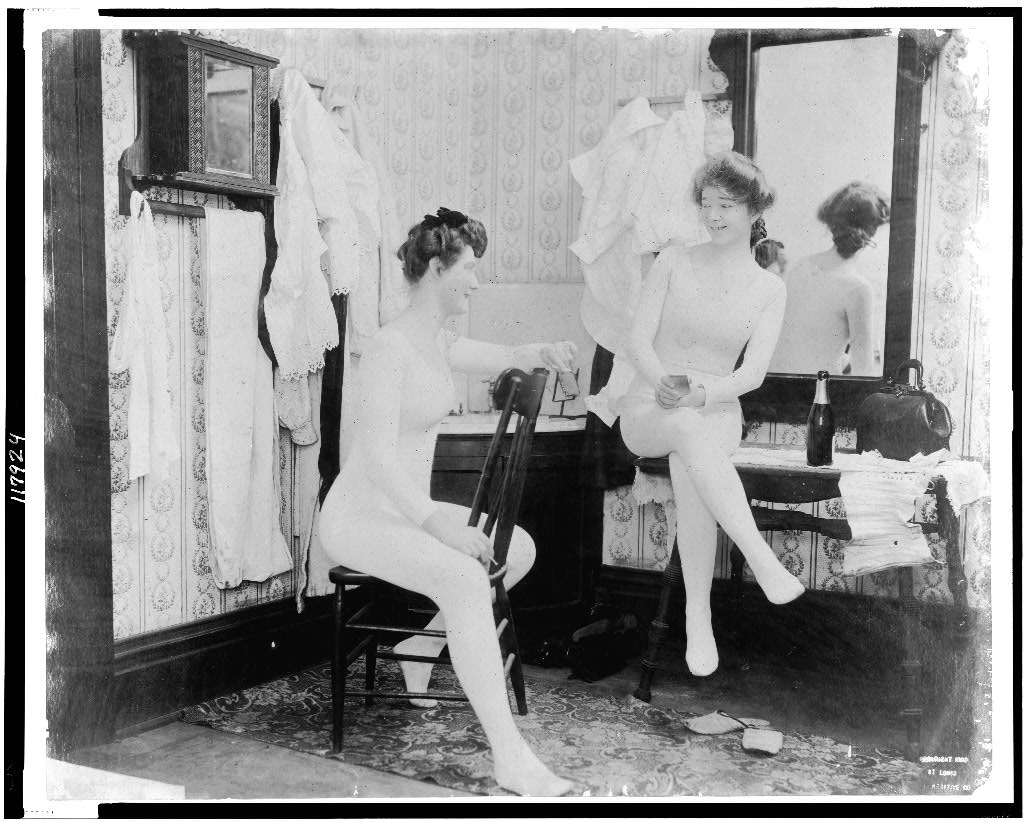
Two young women in long underwear, smoking and drinking in 1903. A pretty racy photo for the time! The photographer was Fritz W. Guerin, who died later that year.
LOC
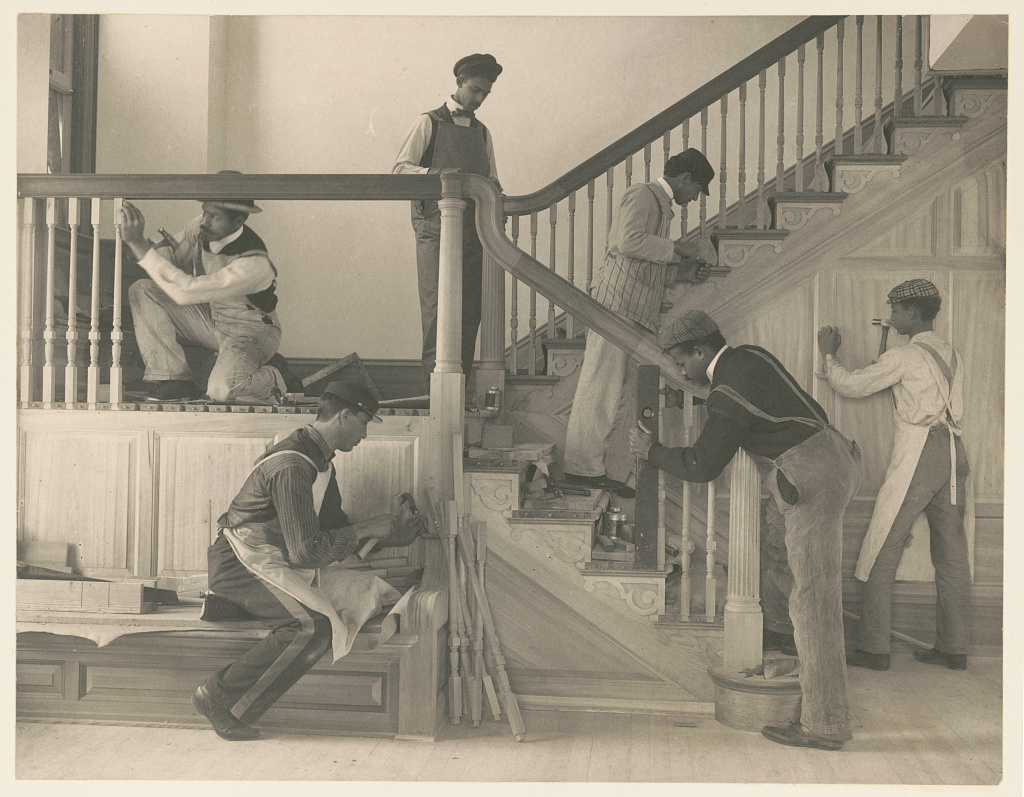
Woodworking students building a stairway in a house in Hampton, Virginia in 1900.
LOC
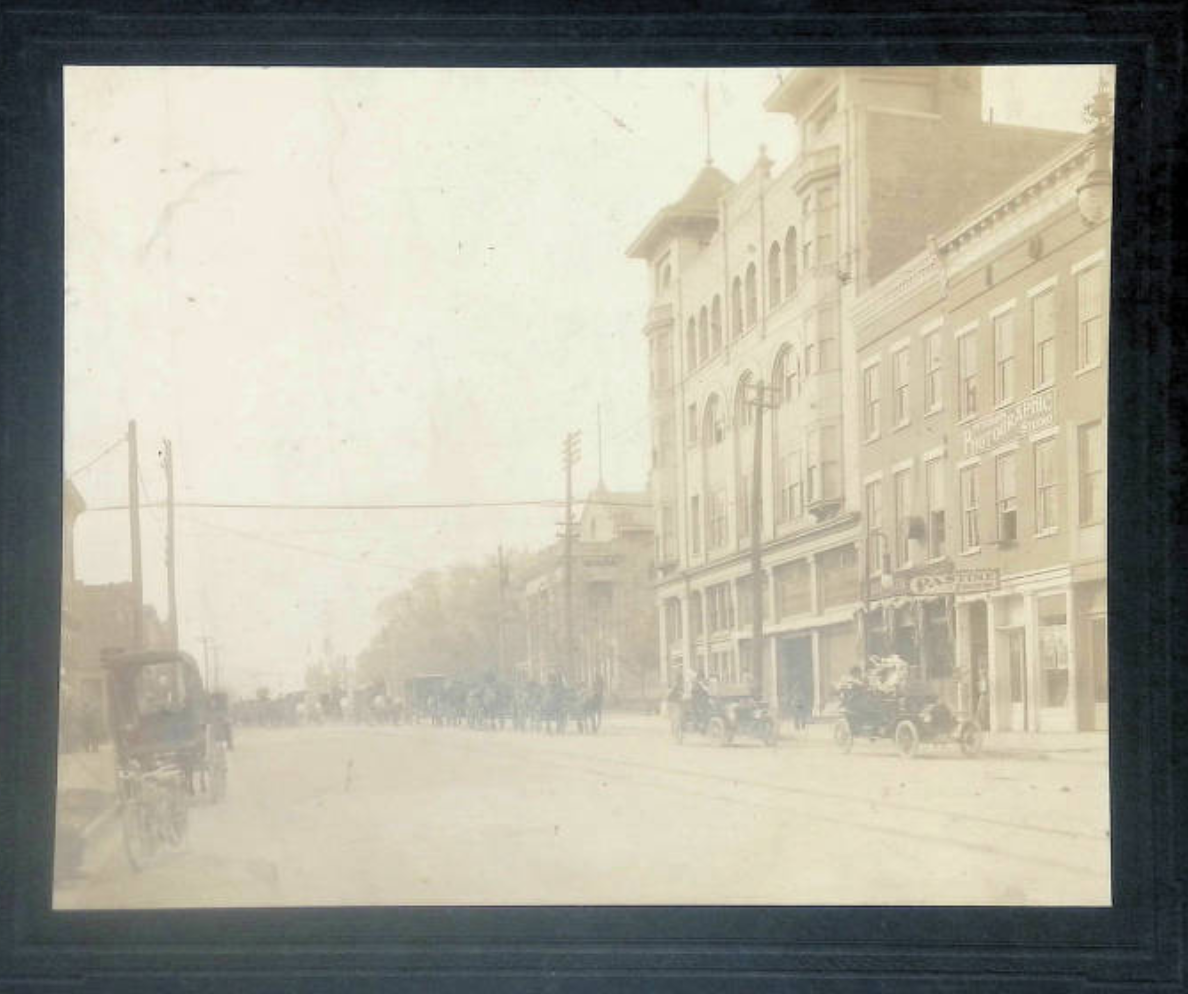
A funeral procession in Jackson, Ohio circa 1906.
Jackson City Library Archives Collection
Family in automobile parked on dirt road as train approaches. Armstrong, Iowa. Photographed by William Shirley.

State Historical Society of Iowa, Des Moines
If we adopt the idea that anything is possible, at least for the moment, what should we preserve (or resuscitate, as the case may be) and what should be left behind?
 old spirituals