This is Part 3. To begin at the beginning, go to Part 1.
In 1903, Maud suddenly married Major John MacBride, an event that nearly killed Yeats. He was devastated by it. He wrote of the pain he felt, walking the streets of Dublin.
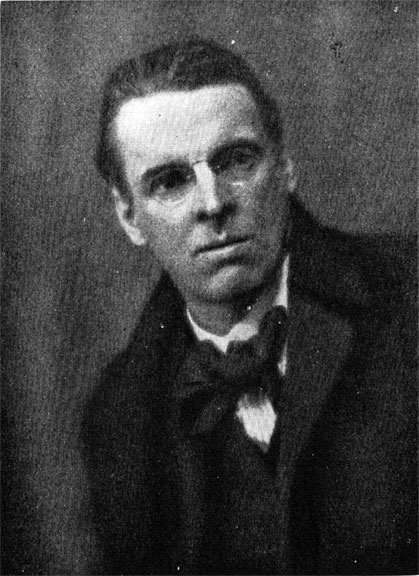
Yeats, from hermetic.com
Maud had a son, Seán, by her husband. The boy would become an important figure in Irish history but the marriage between Maud and MacBride was a deeply unhappy one. By February of 1905, she sued him for divorce.
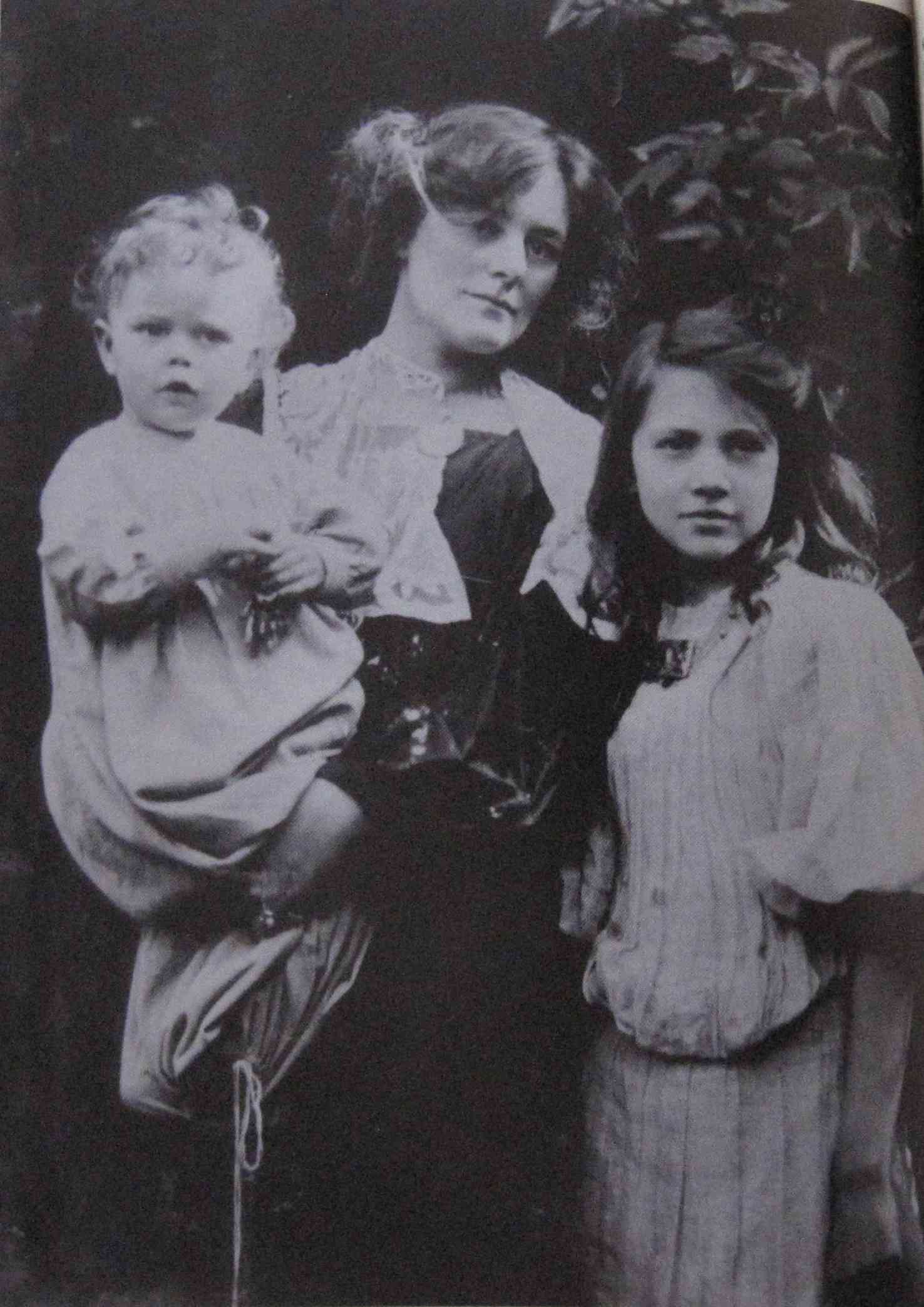
Maud with Iseult and Seàn, from irishhistorian.com
Maud’s letters have survived because Yeats kept them. She did not keep most of his letters to her.
Though his letters are gone, there’s no question about his feelings for her. The years passed and he remained devoted to her. Many of Yeats’ poems were about Maud and his relationship with her. Around 1906, he wrote The Arrow.
The Arrow
I thought of your beauty, and this arrow,
Made out of a wild thought, is in my marrow.
There’s no man may look upon her, no man,
As when newly grown to be a woman,
Tall and noble but with face and bosom
Delicate in colour as apple blossom.
This beauty’s kinder, yet for a reason
I could weep that the old is out of season.
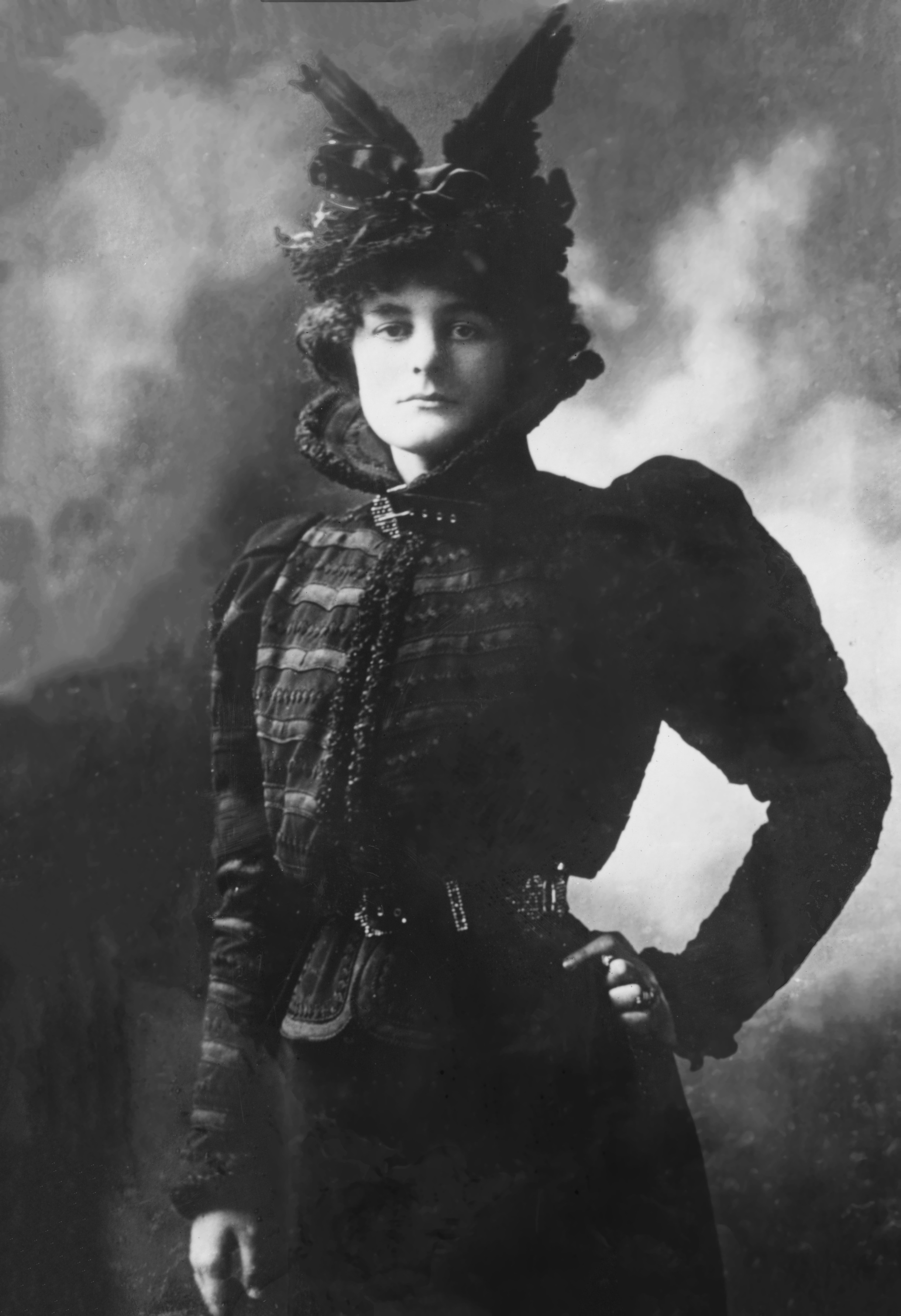
Maud Gonne MacBride
In a 1908 letter, we get a glimpse into Maud’s heart.
“You asked me yesterday if I am not a little sad that things are as they are between us – I am sorry & I am glad. It is hard being away from each other so much there are moments when I am dreadfully lonely & long to be with you, – one of these moments is on me now – but beloved I am glad & proud beyond measure of your love, & that it is strong enough & high enough to accept the spiritual love & union I offer –
“I have prayed so hard to have all earthly desire taken from my love for you & dearest, loving you as I do, I have prayed & I am praying still that the bodily desire for me may be taken from you too. I know how hard & rare a thing it is for a man to hold spiritual love when the bodily desire is gone & I have not made these prayers without a terrible struggle a struggle that shook my life though I do not speak much of it & generally manage to laugh. That struggle is over & I have found peace.”
By 1914, Yeats’ heart had grown bitter. In his poem, No Second Troy, he wrote:
Why should I blame her that she filled my days
With misery, or that she would of late
Have taught to ignorant men most violent ways
Or hurled the little streets upon the great.

In his poem, A Man Young and Old, published in 1916, Yeats wrote:
THOUGH nurtured like the sailing moon
In beauty’s murderous brood,
She walked awhile and blushed awhile
And on my pathway stood
Until I thought her body bore
A heart of flesh and blood.
But since I laid a hand thereon
And found a heart of stone
…
My arms are like the twisted thorn
And yet there beauty lay;
The first of all the tribe lay there
And did such pleasure take;
She who had brought great Hector down
And put all Troy to wreck.
Go to Part 4 (the final part).

If you liked this post, please subscribe to Old Spirituals, like and share the post on your social media, and leave a comment! It really helps other people find the site. And if you’re so inclined, check out my books on Amazon or click the button to Buy Me a Coffee!

 old spirituals