Have you heard of Casey Jones? I knew the Grateful Dead song about him long before I knew anything about the man himself. All I really knew was that he was a locomotive engineer whose train crashed.
Musical accompaniment: Casey Jones by the Grateful Dead.
Jonathon Luther Jones was born in Missouri in 1863. As a child, he lived in a small town in Kentucky called Cayce, which led to his being known as Casey. As a teenager, he began working with the railroads.
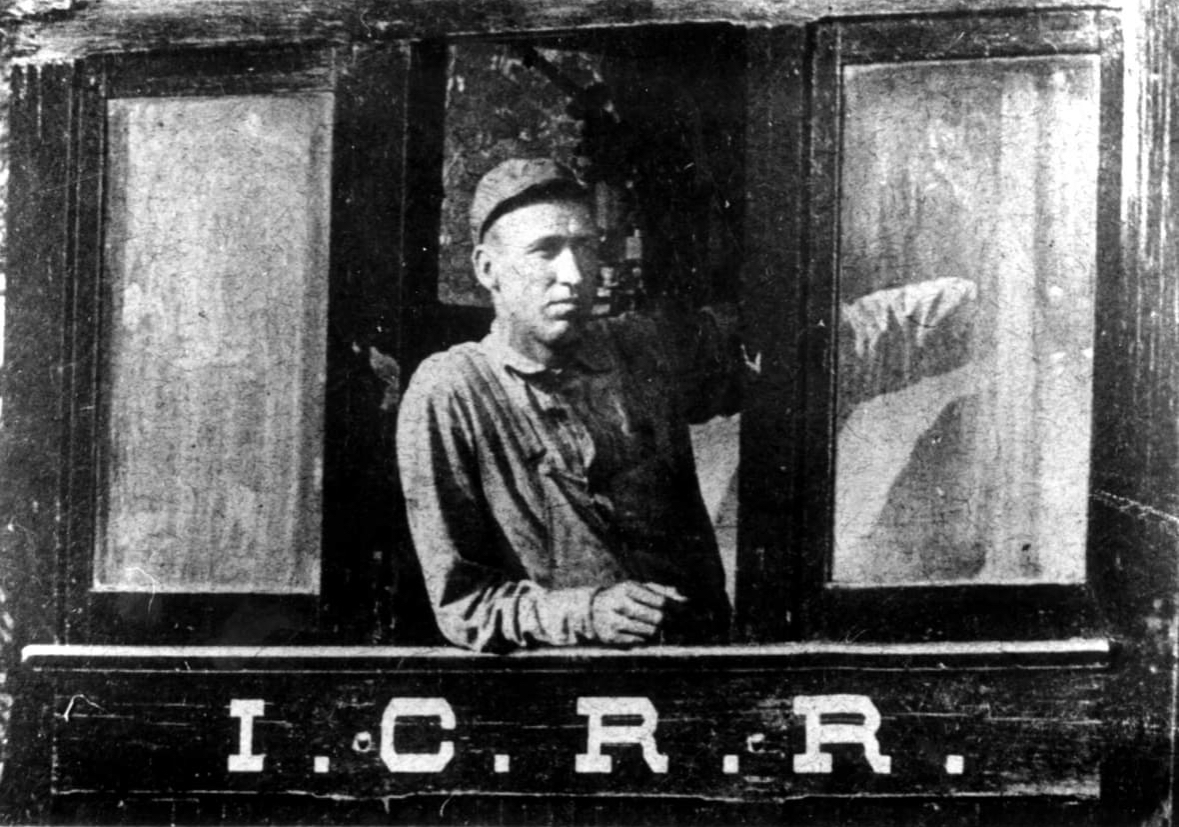
Wikimedia
Jones married Miss Mary Brady at the age of 23, and obtained a job at Illinois Central Railroad, which was based in Memphis, Tennessee and Jackson, Mississippi. The Joneses had three children and settled in Jackson, Tennessee. Casey’s modest home, photographed by Carol Highsmith, is a museum today,

LOC
Casey was well-liked and reliable. It was a point of pride for him to be punctual. He often exceeded normal speeds to arrive at his destination on time.
On April 29, 1900, 37-year-old Casey was due to leave Memphis at 11:35 p.m. to run the passenger service to Canton, Mississippi. The train was delayed and didn’t Memphis until 12:50 a.m. Despite this 75-minute delay, Casey was cheerful and confident he could make the time up. That night, he was driving the ten-wheeler No. 382, a powerful engine called the Cannonball. He was accompanied by fireman Sim Webb.
No. 382
The weather was foggy in the early hours of April 30, and the Canton run was known for its sharp curves. Nevertheless Casey drove rapidly, around 80 miles per hour.
By the time they reached Grenada, the train’s delay was reduced to 20 minutes. At Winona, the train was only five minutes behind. Casey exultantly told Webb they may arrive in Canton on time after all.
Disaster struck in Vaughn, Mississippi. Three trains were there but the main line was supposed to be clear for No. 382 to pass. An air hose broke as the workers were moving the last engine off the main line. The brakes locked and four railroad cars were stranded directly in Casey’s path.
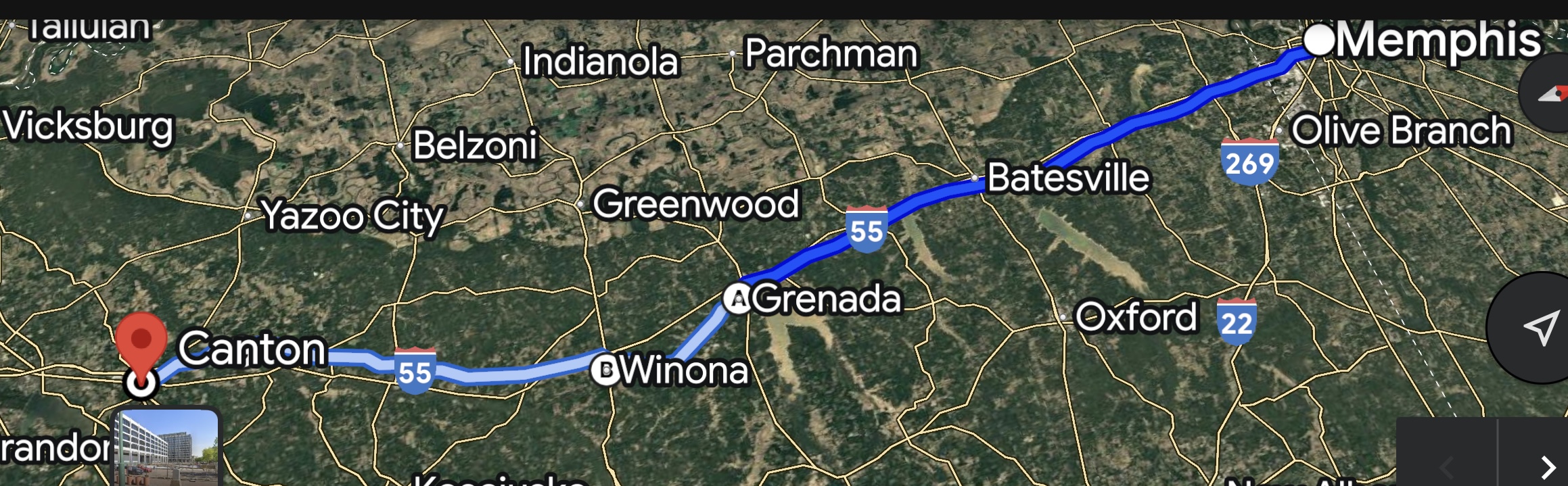
No. 382 route
No. 382 was hurtling toward Vaughn, traveling at 75 miles per hour. Jones’ eyes were on the track in from of him but Webb had a better view from where he stood. He was the first to catch sight of a stranded caboose on the track ahead of them.
“Oh, my Lord!” the fireman shouted. “There’s something on the main line!”
Casey jumped up and looked over the boiler. He sized up the situation instantly. Without a second’s delay, he shut off the steam, reversed the throttle, and hit the airbrakes hard to activate an emergency stop. A crash was inevitable; these measures were taken to reduce the severity of it. “Jump Sim!” he yelled. “Save yourself!”
Webb was poised to leap. He turned back and urged his friend to jump too.
“No!” Casey Jones shouted. “I’ll stay at my post!” They were his last words.
Webb leapt into the darkness. The last sound he heard was the high-pitched train whistle—Casey’s warning to anyone near the track. The fireman didn’t hear the crash. His fall knocked him unconscious.

Wikimedia
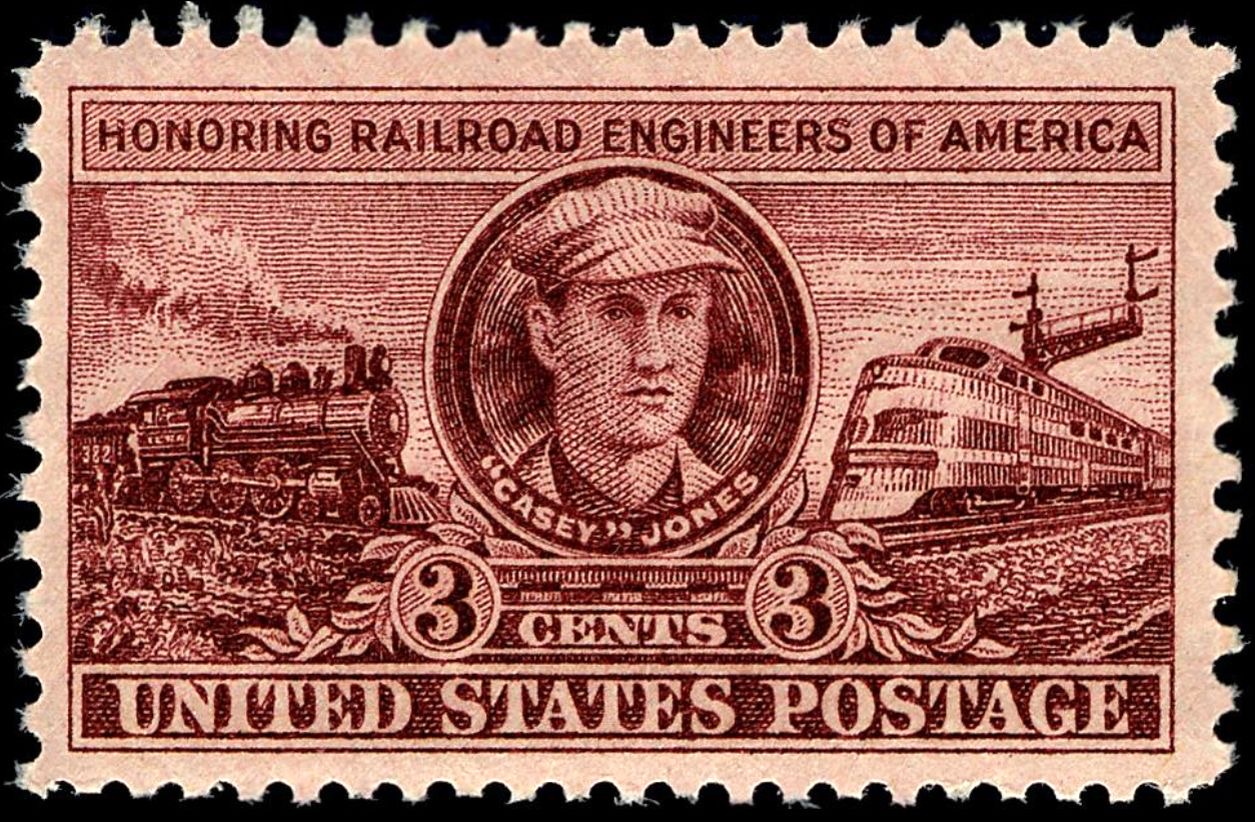
U.S. Bureau of Engraving and Printing
 old spirituals