Quick disclaimer: By necessity, I’ve left out so much of this true story. As amazing as what you’re about to read is, rest assured it doesn’t even represent a quarter of all there is to say.
This is the story of the brilliant Irish poet William Butler Yeats, famous for such works as Sailing to Byzantium, Easter 1916, and The Second Coming, and his muse.
The muse’s name was Maud Gonne. Yeats met her in 1889. Gonne was then a 23-year-old English heiress who was deeply infatuated with the ideals of the suffragettes and Irish Republic revolutionaries. She was fabulously wealthy, in comparison with her peers. When she was 21, Maud inherited more than £13,000, which as nearly as I can figure would be around $580,000 today, plus another large amount from her mother’s estate.
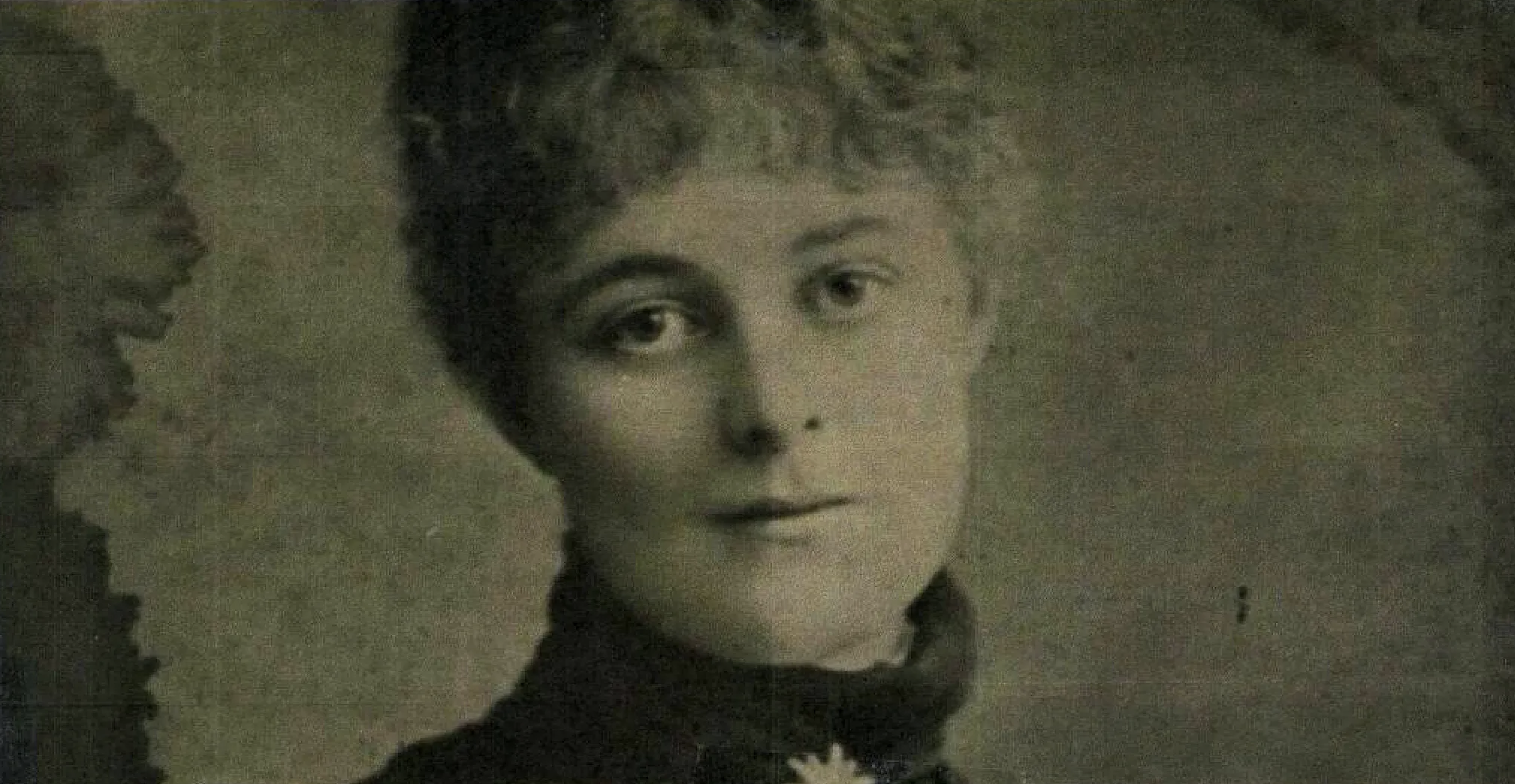
It was she who had sought out the introduction to the poet, after reading The Island of Statues, but it was Yeats who feel deeply in love with her.
“I had never thought to see in a living woman so great beauty,” the poet wrote in a star-struck manner. “A complexion like the blossom of apples, and yet face and body had the beauty of lineaments which Blake calls the highest beauty because it changes least from youth to age, and a stature so great that she seemed of a divine race.”
Later he wrote to his friend Ellen O’Leary. “Did I tell you how much I admire Maud Gonne… If she said the world was flat or the moon an old caubeen tossed up into the sky I would be proud to be of her party.” It’s probably safe to say that it did not escape the notice of anyone who knew W.B. Yeats that he admired Maud Gonne.
And Maud was lovely. They had a shared interest in spiritualism and art and Irish nationalism.
But Gonne was far less infatuated with Yeats. She remembered him as he was the first time she saw him as being shabbily dressed, a “a tall lanky boy with deep-set dark eyes behind glasses, over which a lock of dark hair was constantly falling, to be pushed back impatiently by long sensitive fingers, often stained with paint.”

Photo of Yeats by Elliott Fry. Via Wikimedia Commons
The oft-quoted cliché that beauty is in the eye of the beholder was true in this case. Yeats’ friend, the poet Kathleen Tynan, said he was “beautiful to look at, with his dark face, its touch of vivid coloring, the night-black hair, the eager dark eyes.”
But Maud, the only woman who mattered to Yeats, did not see it. Or, if she did, she found him easy to resist.

If you liked this post, please subscribe to Old Spirituals, like and share the post on your social media, and leave a comment! It really helps other people find the site. And if you’re so inclined, check out my books on Amazon or click the button to Buy Me a Coffee!

 old spirituals
Pingback: The World Should Thank Me for Not Marrying You: Part 2 | old spirituals
Pingback: The World Should Thank Me for Not Marrying You: Part 3 | old spirituals
Pingback: The World Should Thank Me for Not Marrying You: Part 4 | old spirituals