Alfred Stieglitz, pioneer of the Photo-Secession movement took many photographs of his wife, the modernist painter Georgia O’Keeffe. Georgia is known for her large paintings of flowers, especially, and desert landscapes.
Though Stieglitz was 23 years older than O’Keeffe, they had a real love affair. They were married for many years.
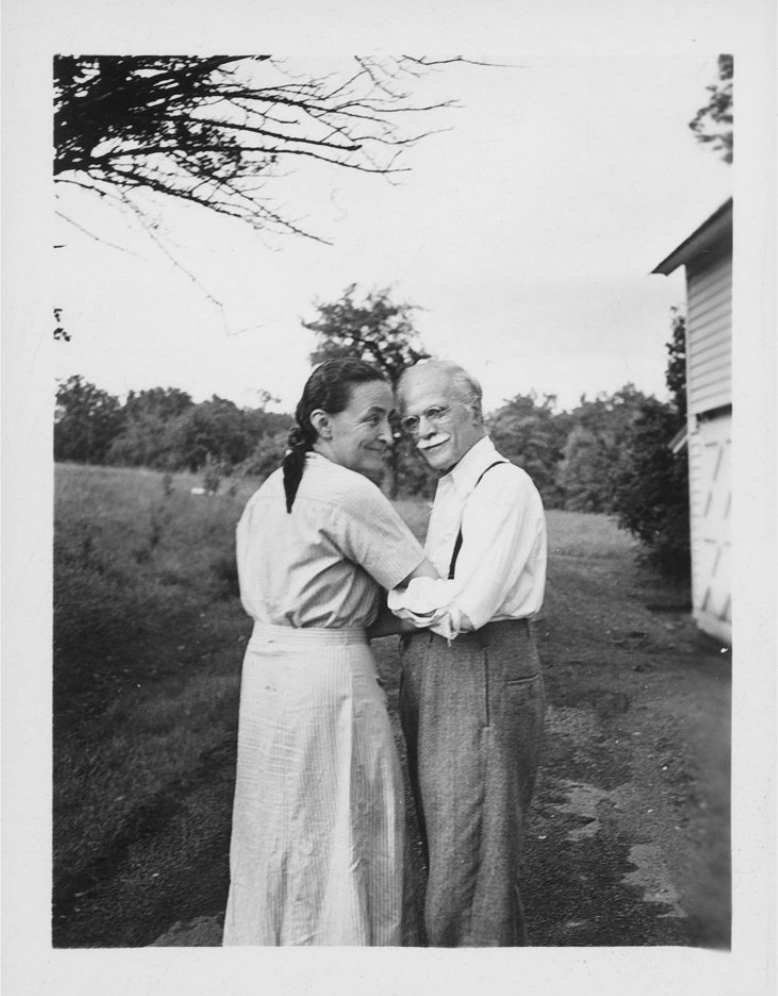
dailyartmagazine.com
Stieglitz photographed his wife many times but the ones that interest me most were specific to her hands.
In 1919, he made this picture, Hands and Thimble:
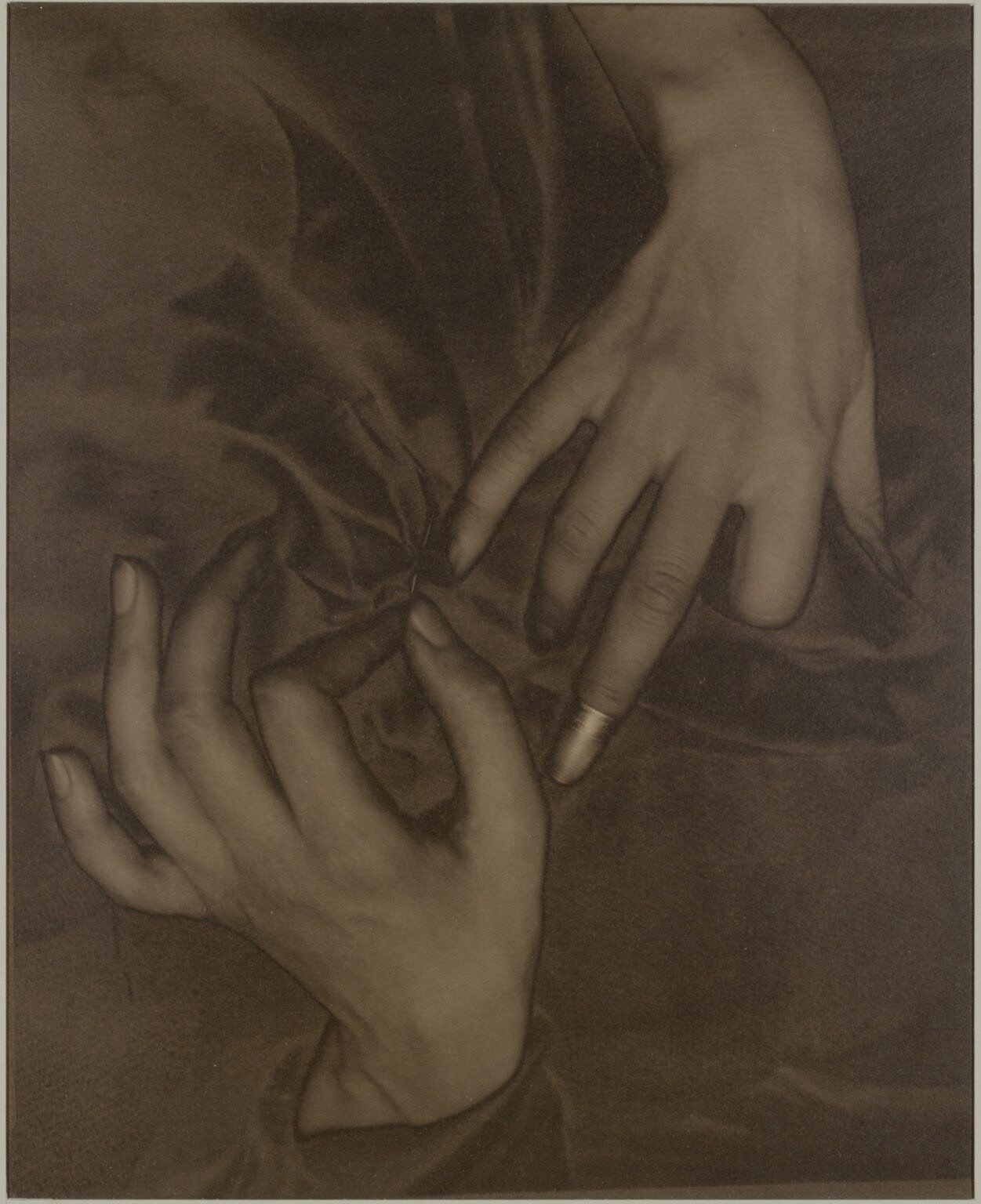
dailyartmagazine.com
In 1920:
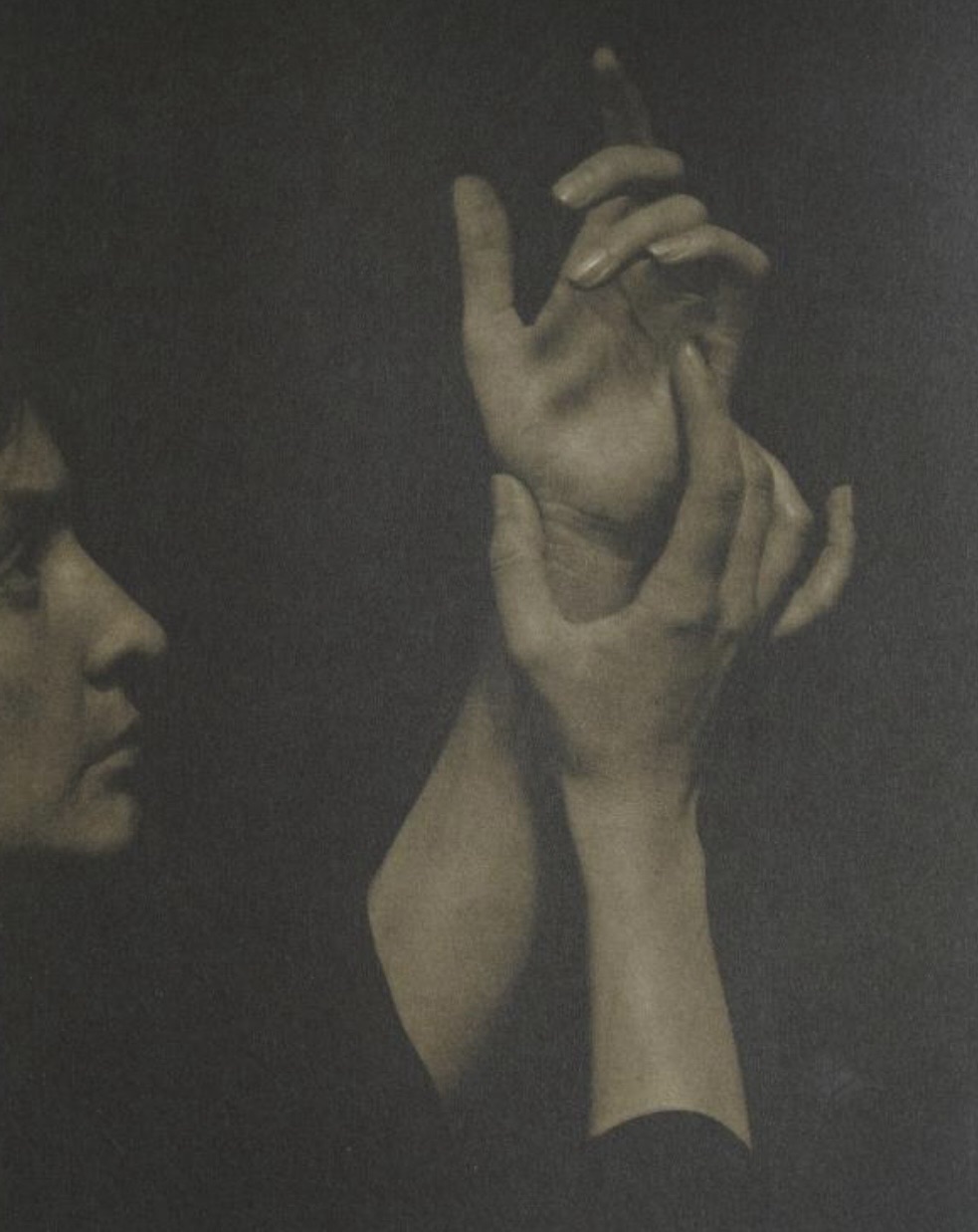
Archive.org
And in 1921:
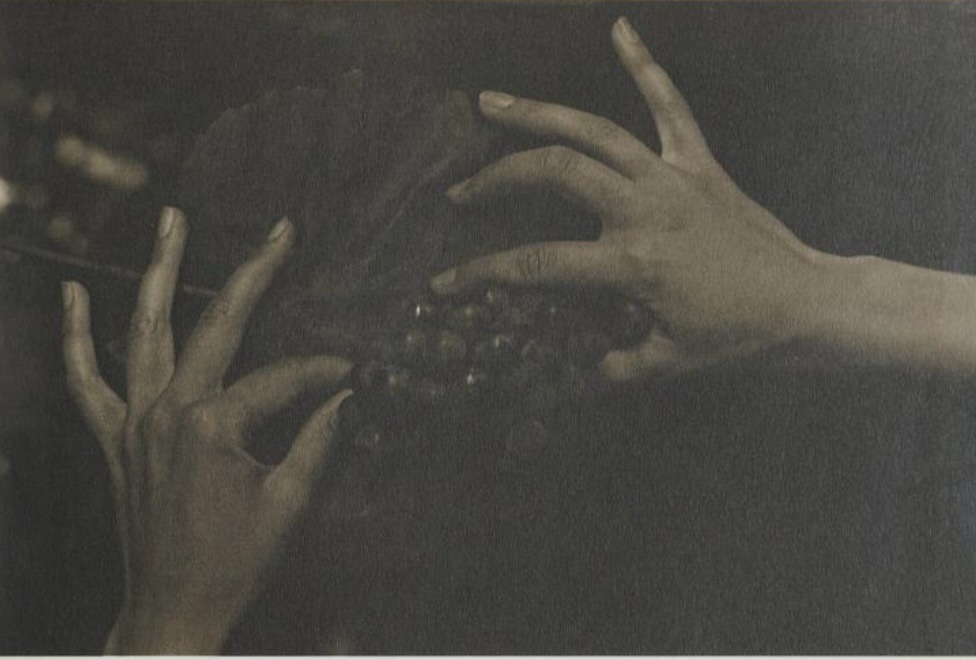
Archive.org
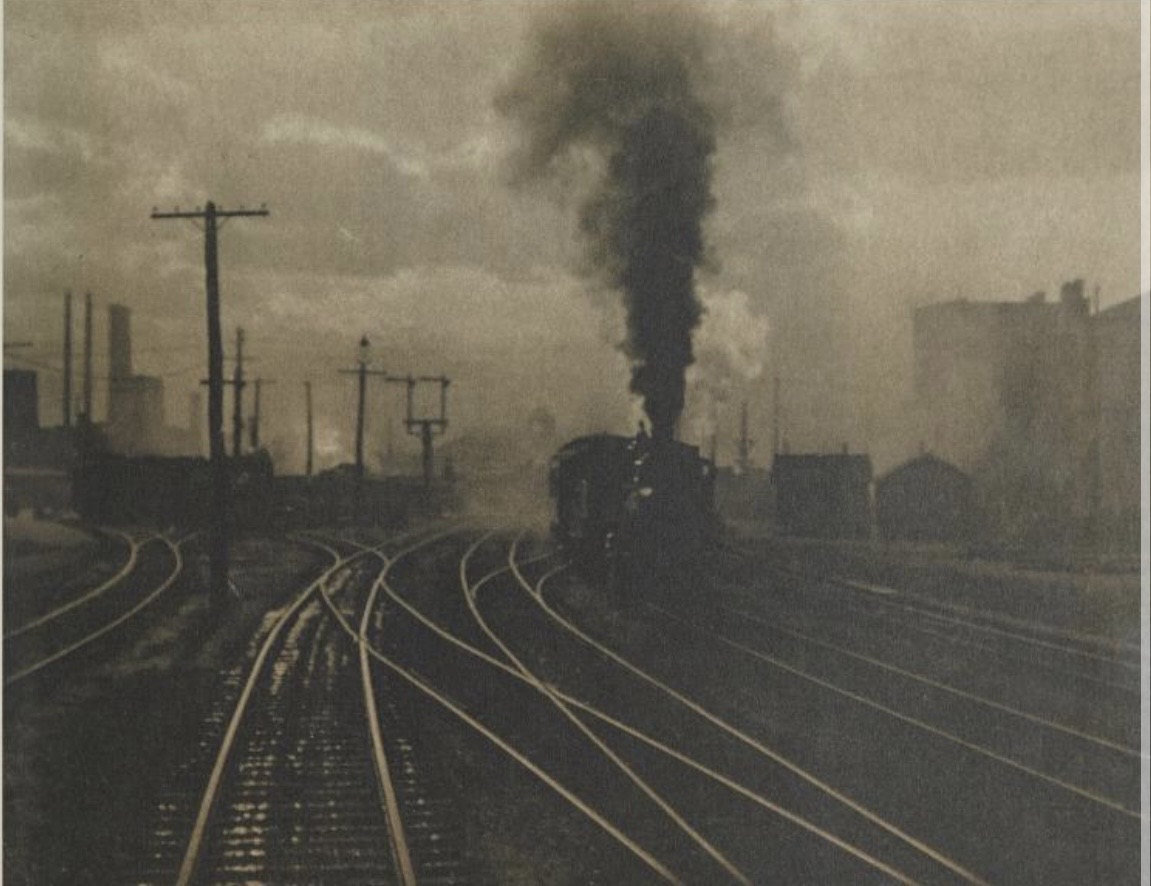
In 1902, long before he met O’Keeffe, Stieglitz made this beautiful picture, probably in New York or New Jersey. He called it The Hand of Man.
Archive.org
I love this picture for so many reasons. It embodies the birth of the modern world: the steam engine; the smoky, indistinct city in the background; the electric light; the telephone poles and wires; and the tracks going in all directions. It’s a little disorienting but I imagine that’s exactly how it felt.
Pictures of trains always interest me but they create a complex blend of emotions. Maybe it’s the excitement of going somewhere combined with the sadness of leaving something behind.
I wonder where this train was going.
 old spirituals
I still love the sound of a train whistle! The sound stirs childhood memories.
LikeLiked by 3 people
Hear, hear, Judy! I can still hear the sound of the train that passed through my small hometown several times a day going to and from the State Capital. Unfortunately, when it did pass it closed the street that lead to the bridge needed to cross the river. The beautiful train station on that same road next to the tracks is now a restaurant. The station was built circa late 1850s or early 1860s. The fence in the old photo prevents access to the canal immediately next to the track. The canal was completed in 1834 to move barges filled with goods, pulled by mules walking a towpath along the east side of the canal.
The next photo is the same station from the same vantage point as a fine dining restaurant.
LikeLiked by 3 people
Wow how cool! I’m so glad they didn’t tear down the place. It looks well preserved!
LikeLike
Me too, Judy! I’ve always lived within earshot of a train. It’s a comforting sound to me.
LikeLike
Alfred Stieglitz photographic oeuvre of his wife’s hands may have had a dual purpose. She, an artist, may have wanted the photographs to use as a model to practice painting hands. According to experts:
Hands and feet have intricate structures. Each consists of numerous bones, joints, and muscles. The human hand has 27 bones and 34 muscles, making it complex to depict accurately. Artists often struggle with proportions and the subtle nuances of gestures, which can convey a range of emotions.
LikeLiked by 2 people
That’s an interesting thought! Animals are easier than people to draw partly because of the hands.
LikeLike
I love the picture of Georgia in profile looking at her hands. it’s beautiful!
LikeLiked by 2 people
Definitely, I like that hands photo best!
LikeLike