Newspapers in 1917 could be very unkind when reporting the story of a murder – even harsh and insulting – and not just towards the murderer. This is the case of Weldon H. Wells and Mona Byron Simon. (Her middle name is consistently omitted from the majority of the published news stories.)
The Victim – Mona Simon
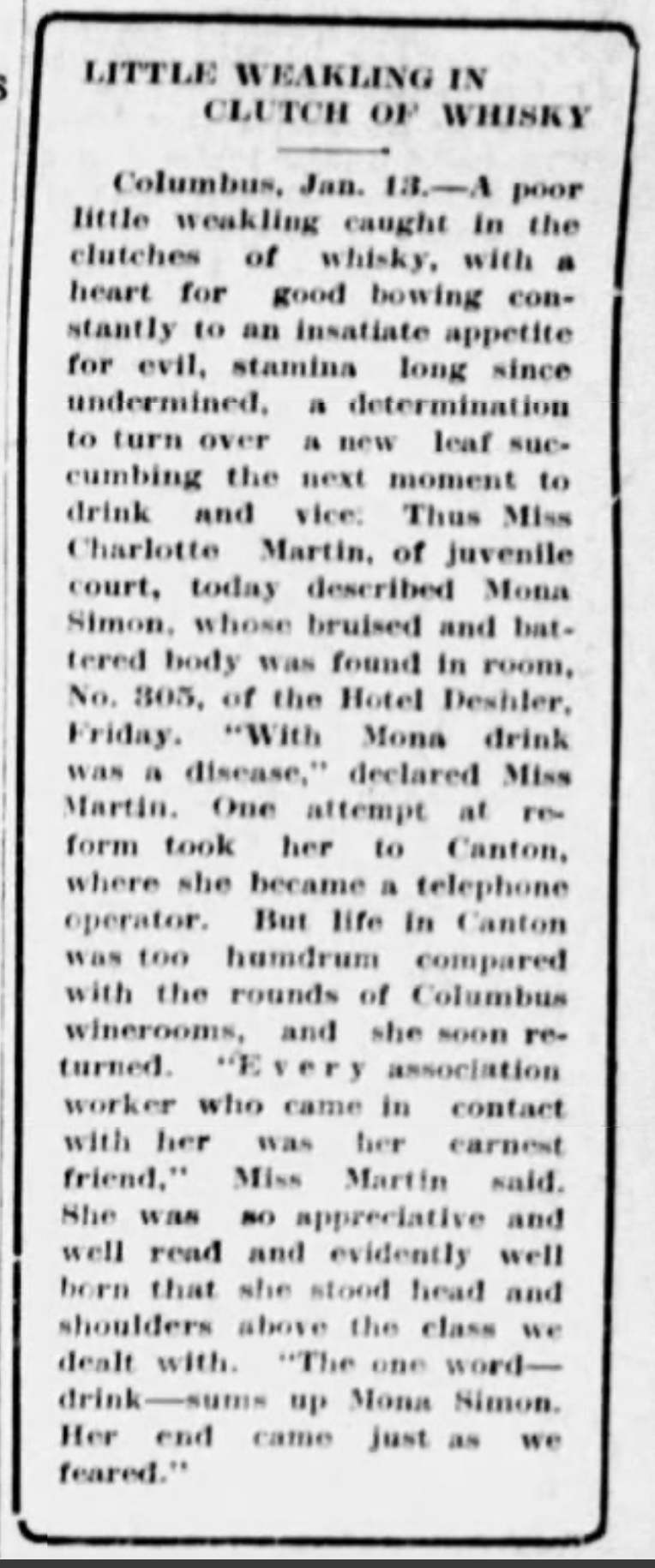
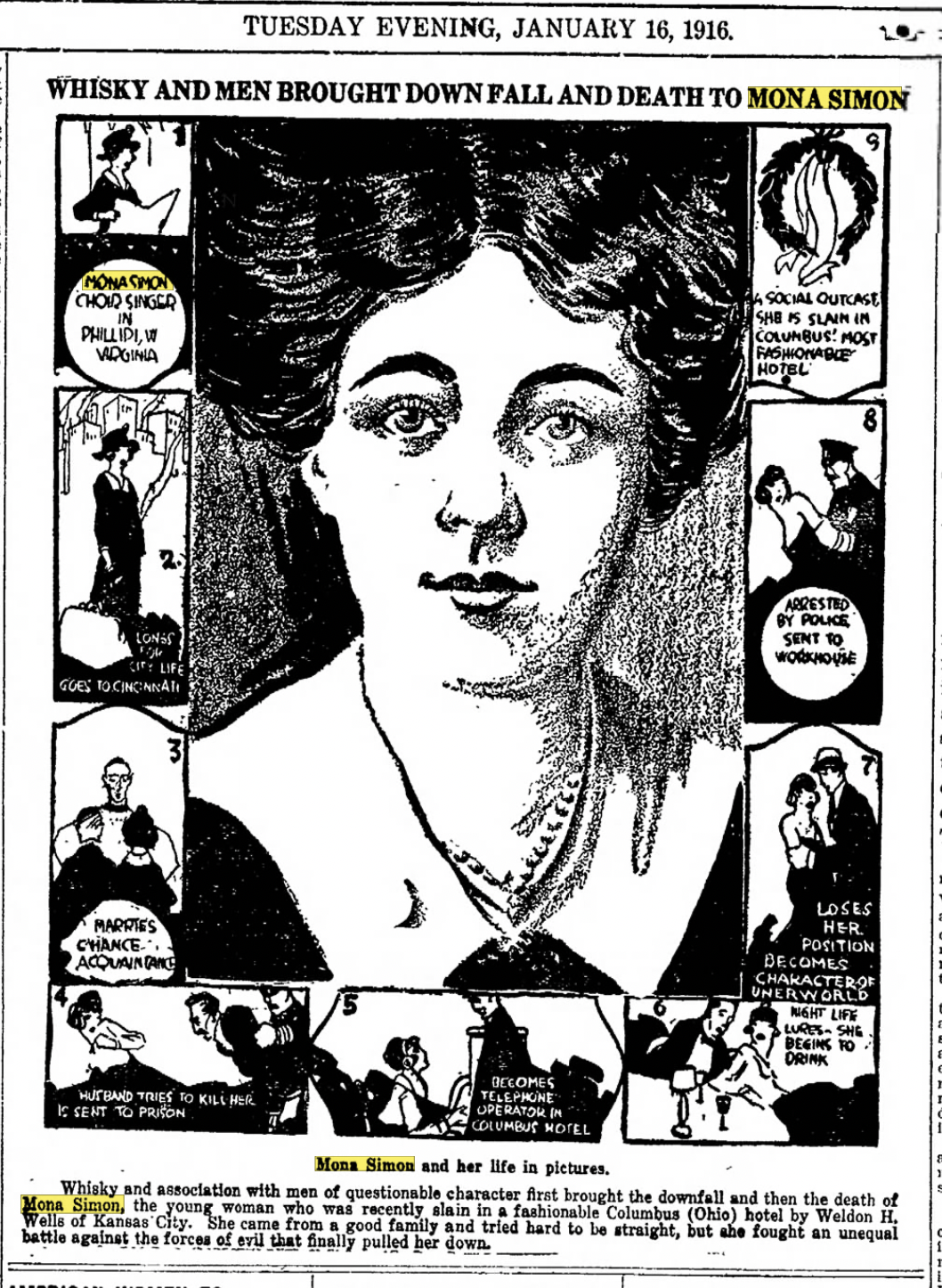
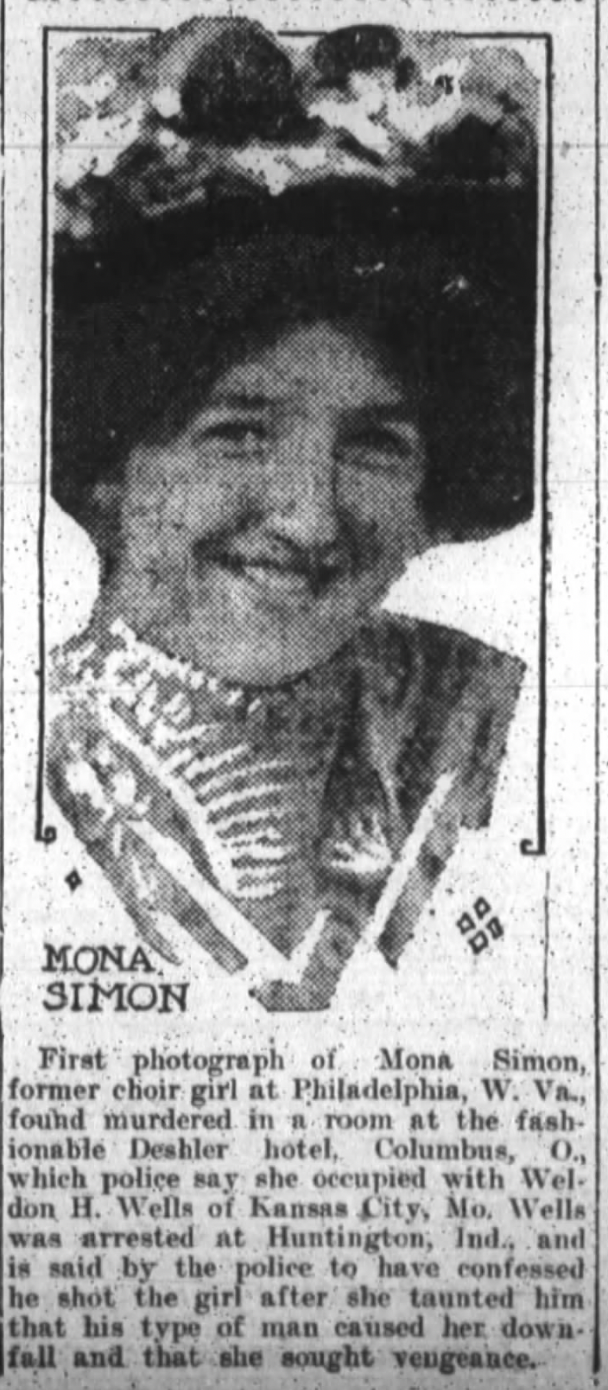
Mona Simon’s bloody and dead body was found in a room at the Hotel Deshler in Columbus, Ohio, one of the city’s mot stylish hotels, on January 13, 1917. She was shot in the head and her throat cut or slashed, depending on which news account you read. The Marion Star of Marion, Indiana, and The Fort Wayne (Indiana) News characterized the victim in an insert to their stories:
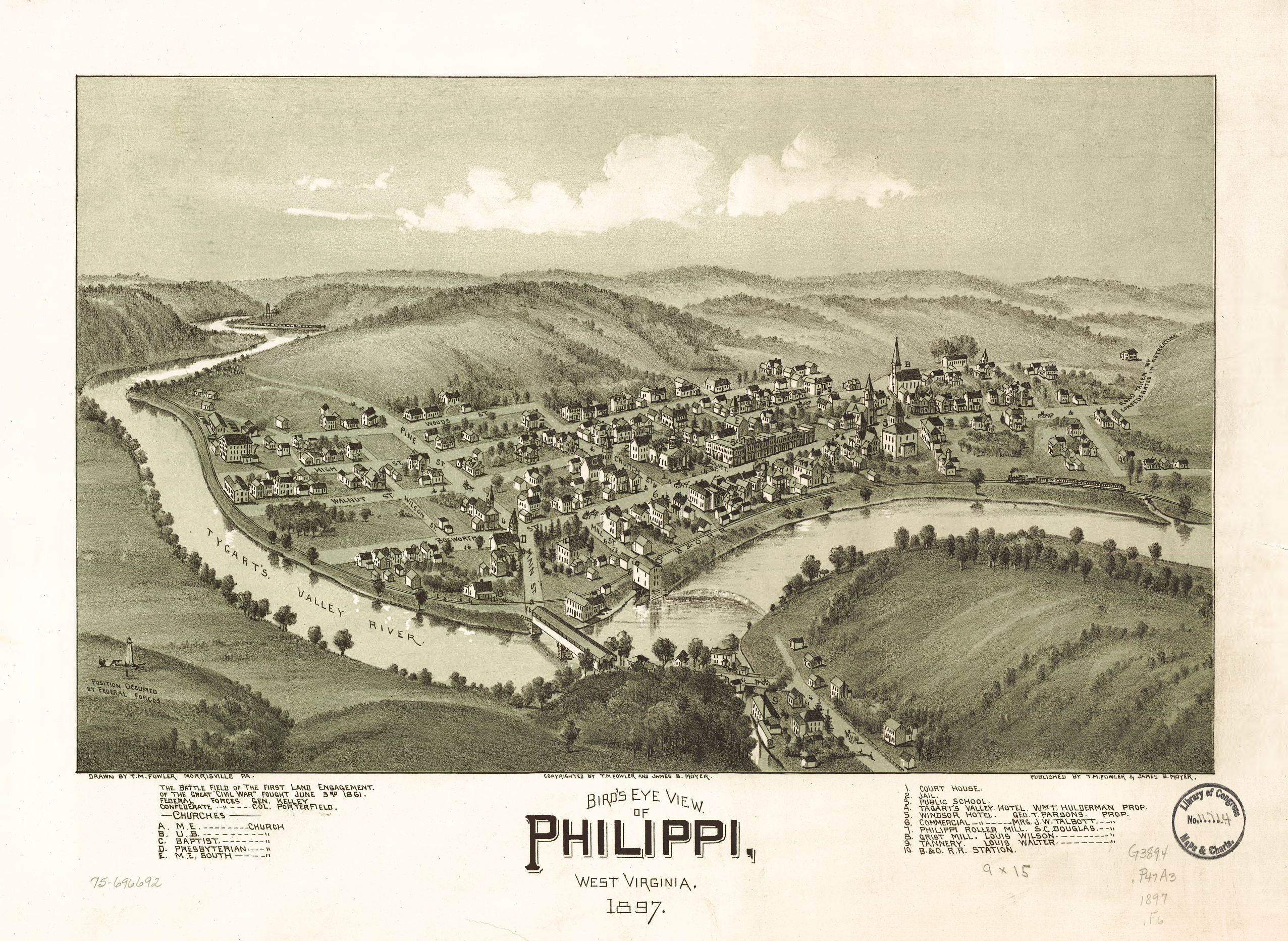
Though Mona Simon died in Columbus, Ohio, she was born and raised in Philippi, West Virginia, a small town of about 3,000 inhabitants. Philippi, West Virginia is recognized as the area where the first land engagement of the American Civil War was fought on June 3, 1861. The two cities, Columbus and Philippi, are 130 miles apart. Mona died not far from her childhood home.
In Philippi, Mona was seen as a vivacious young woman when she left the small town – some even referred to her as “the city belle who left there six years ago to become a Columbus telephone operator.” Others described Mona Simon as the “idol of the dances” and girl who “set youths’ hearts to jumping.” However, her friends and family had no continuous contact with Mona during those year. What now may seem serendipitous, Mona did return to Philippi a year earlier to spend time with her father; her mother had died years earlier.
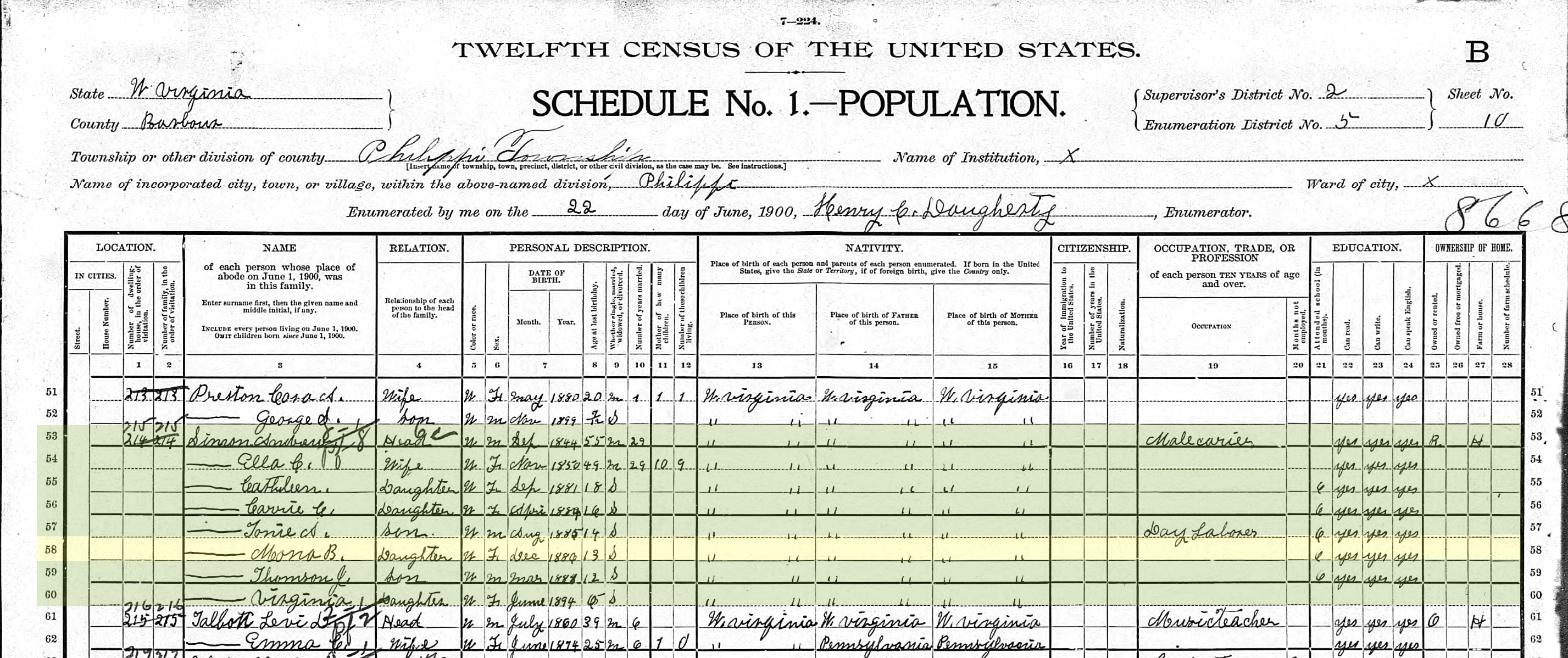
Mona told others “her parents picked at her” and she left home to evade the constant nagging. But, she also said she loved her mother and promised her when she was on her death-bed that she’d meet her in heaven.” Perhaps that was her impetus to start drinking alcohol. According to the Mansfield, Ohio, News Journal, and repeated in dozens of other papers, Mona lost her girlhood innocence. Perhaps her parents “picked at her” because of her drinking addiction, but there is no report of that being the cause of her emotional demon.
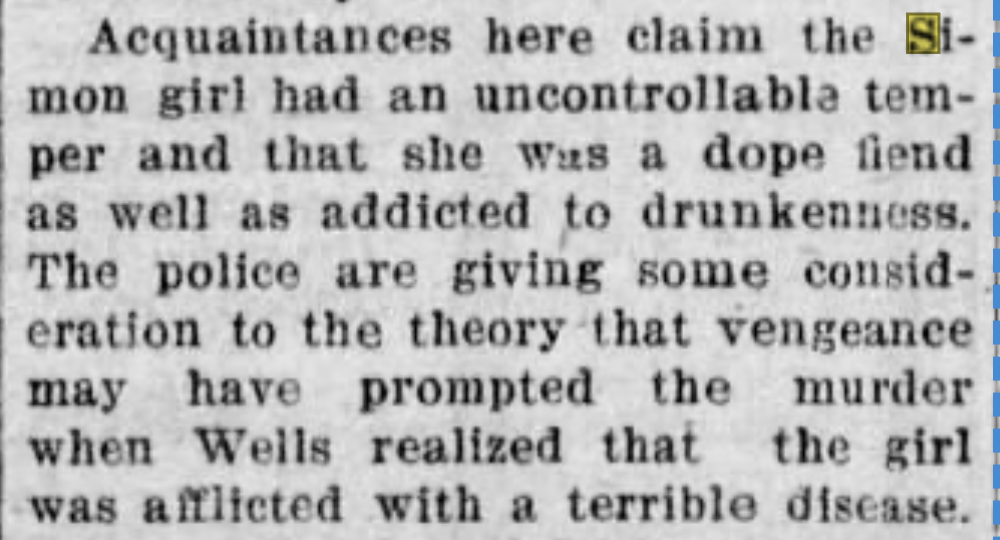
In a piece in The Huntington Press, on January 17, 1917, classified as a “(Special to The Press.),” the opening sentence reads: “Whiskey and association with men of questionable character first brought the downfall and then death of Mona Simon, the young woman who was slain in Columbus’ most fashionable hotel by Weldon H. Wells of Kansas City.”
The article also proclaims, “She came from a good family in Philippi, West Virginia, and tried hard to be straight, but she fought an unequal battle against the forces of evil that finally pulled her down.” Miss Maude Wade, a prominent leader in the Women’s Christian Temperance Union and prison reform advocate, told the Press, “I tried to save her – I tried hard. When she was in the workhouse I sent her flowers – when she was in the infirmary, I went to see her. I lost track of her last June, but I didn’t forget her – I prayed that she might again be a good girl.”
According to Miss Wade, “She used to go to prayer meetings on Sunday with Miss Mason, who was her Sunday school teacher back in Philippi, for a while after she came here. Then Miss Mason went to California and Mona commenced to go wrong. She was chief telephone operator at the Virginia hotel for two years. She met men who bought her drinks.”
Mona resigned her job at the Virginia hotel, relocated to Cleveland and Buffalo trying to find employment but was unsuccessful. Miss Wade opined, “I think drink had a hold on her then and she couldn’t hold a job.” Deciding to return to Columbus, she found employment. Miss Wade said she assumed Mona continued to drink because she wouldn’t hear from her for a long time. “[She] didn’t want me to know.”
Miss Wade declared, “It’s all a terrible temperance sermon. Mona came here a pretty, truthful, and pure girl. Had it not been for whiskey she would have developed into a woman of beautiful character.” Maude Wade went on to say, “Every mother should know of Mona’s case. It shows the wages of sin are death – and in her case a terrible death. When we have finally driven liquor out of the nation then we will have provided a way to protest such girls as Mona Simon.”
The Mansfield News reported in its column that, “The Simon girl was married in West Virginia seven years ago. Her husband is said to be in Cincinnati. It is claimed he was recently released from the West Virginia pen after completing a term for shooting his wife during a quarrel.” (Truly, that was reported by the paper and is not embellishment by the writer.)
The Eighteenth Amendment to the United States Constitution was proposed by Congress on December 18, 1917 and ratified by the requisite number of States on January 18, 1917. People like Miss Maude Wade played a role in that Amendment being ratified.
The Murderer – Weldon H. Wells
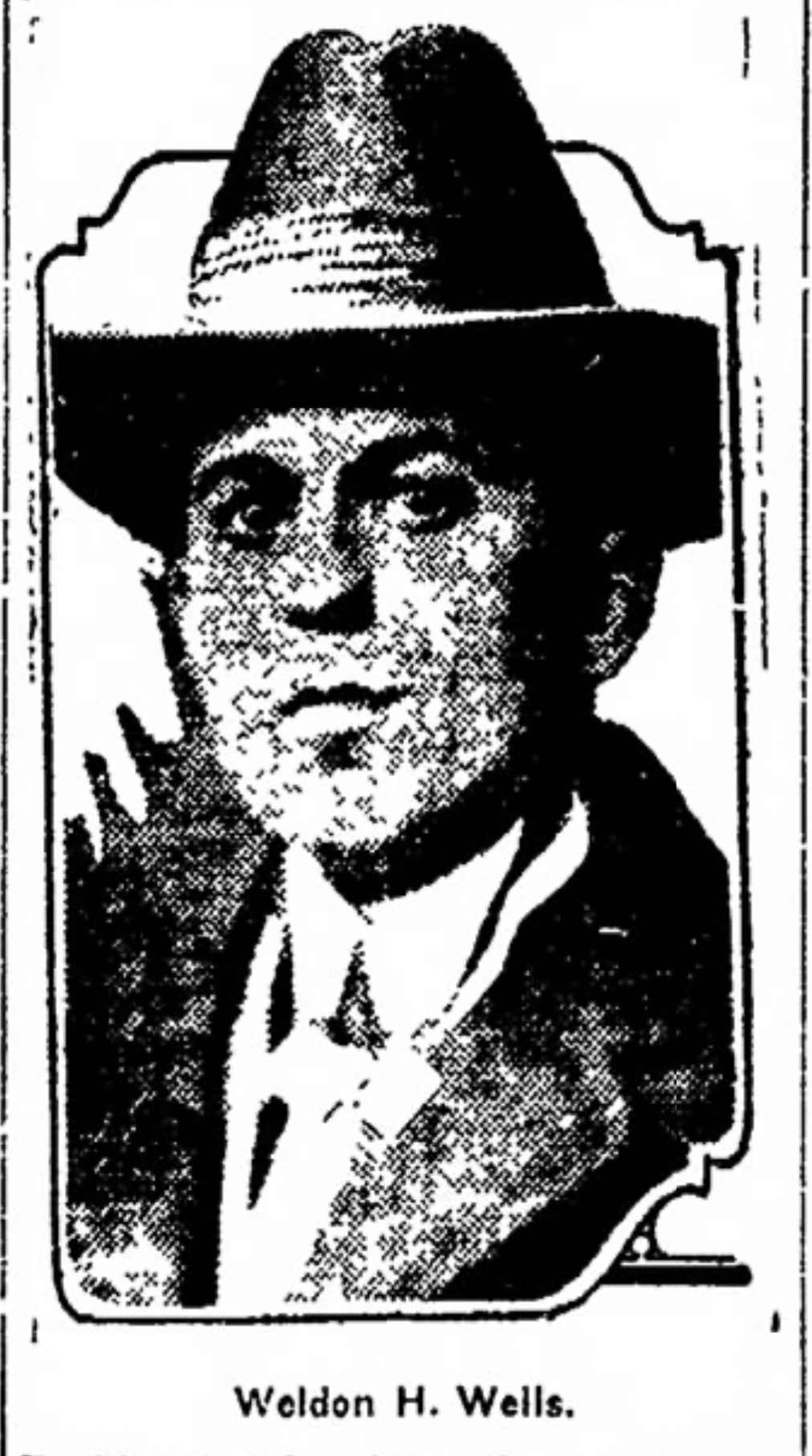
Mona’s body was found by the hotel maid at noon on January 13, 1917. The police were summoned and immediately determined the room was registered in the name of V. G. Van Brunt. Evidence found in the room led the police to believe V. G. Van Brunt was fictitious name when a handkerchief found in the room had the initials: “W. H. W.”
From the clues left in the room, along with the help of a local newspaper reporter who knew the man that stayed in the room, law enforcement determine the handkerchief with the initials “W. H. W.” belonged to Weldon H. Wells. Wells, a 25 year old former broker for the Ward Brothers Wholesale Produce Company. Charles Ward, one of the company owners, informed police that Wells left the company on December 14, 1916, “taking several checks belonging to the concern.”
According to The Mansfield News in its report on January 13, 1917, Ward told the police “We traced him to “Chicago, on the fifth.” Continuing, Ward told police the “next day he was in Fort Wayne and on the eighth he wrote me (Charles Ward) a letter from Huntington, Ind., in which he enclosed the checks he had taken.” It was in that letter that Wells advised Ward there was no sense in finding him, “he was going to Canada” to become “a member of the Royal Guard”. Ward informed police that Wells was married and that his wife lived in Huntington; he understood the couple to be separated.
Both of Wells’ parent are quoted in The Mansfield News. His mother was reported to be “hysterical” and that “She declares her boy is innocent.” On the other hand, Wells’ stepfather, C. B. Benfer, said “he does not believe that Wells is mentally responsible.”
Based on the evidence obtained by the police, Governor Cox signed the required extradition papers, tendered them to R. J. M. O’Donnel, Assistant County Prosecutor, who tracked Wells to Huntington, Indiana, his “boyhood home.”
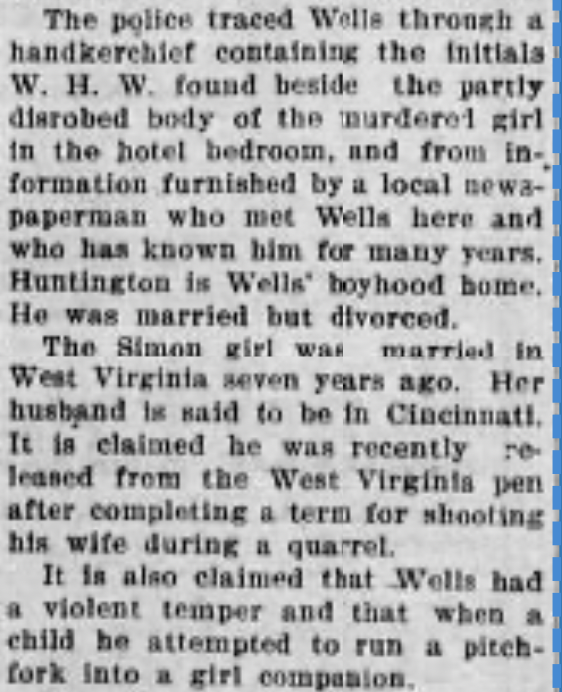
Wells was more than a person of interest in the murder of Mona Simon; the police were certain Wells was “their man.” There was, however, a glitch in the evidence. The bullet that killed Mona Simon did not match the bullets in the gun Wells had possession of when arrested.
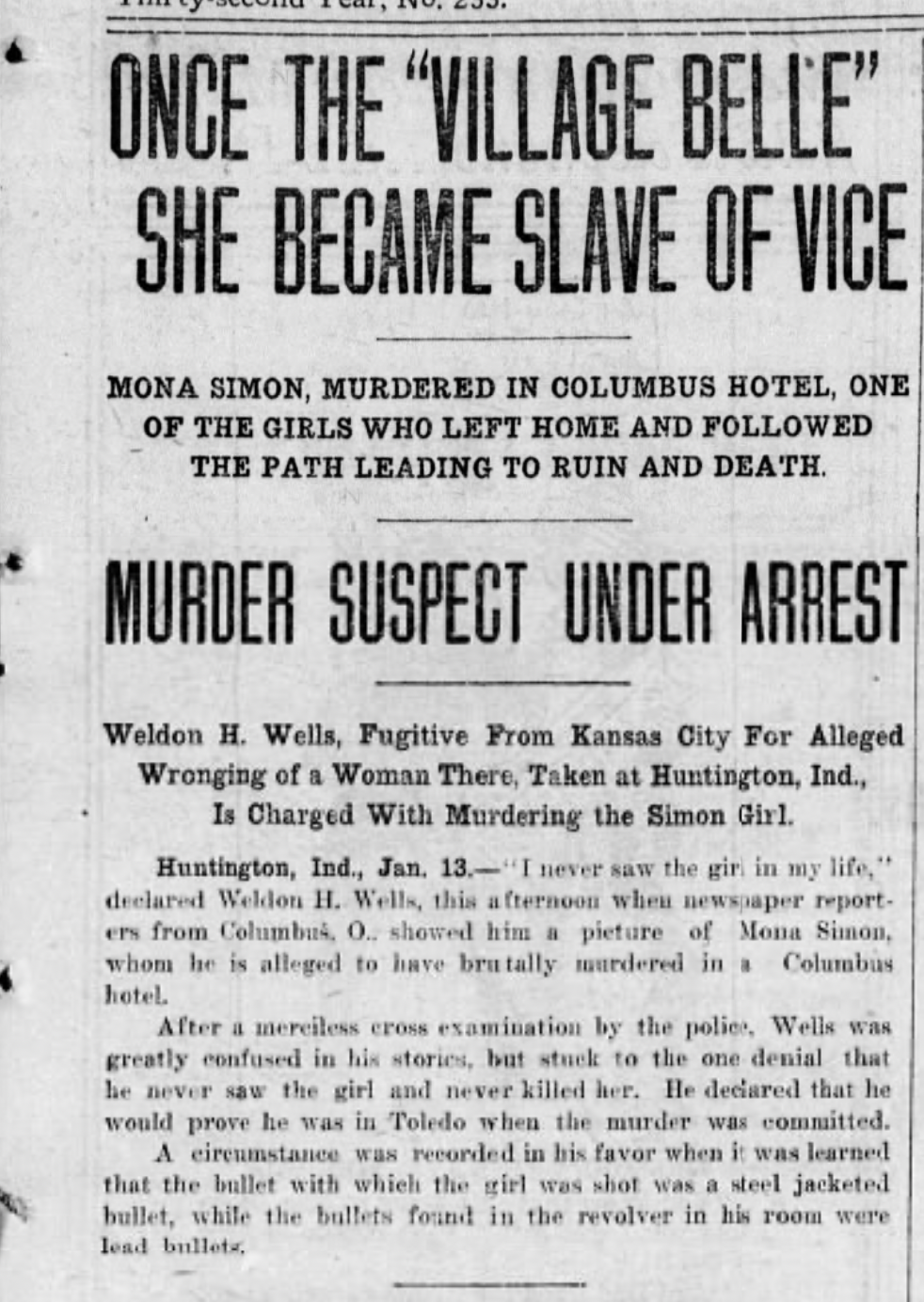
As reported by the News Journal, Wells first proclaimed he did not know Mona. When a reporter from a Columbus, Ohio, paper presented him with a photo of the woman, he denied knowing her or ever meeting her, though he admitted being in the hotel and staying in the room in which Mona’s body was found.
Weldon’s mother, according to the News Journal, “. . . is prostrated at her home in Kansas City,” further mentioning that Wells “left his position as clerk in a commission house there when a paternity charge was preferred against him.” The reason given his employer for terminating his employment was to travel to Canada for enlistment in the Canadian military for service in the European war. It was also learned that Wills had also made application for employment in Chicago with by Joe Tinker, the Player-Manager of the Chicago White Sox and recent owner of Columbus (Ohio) Senators baseball. In fact, Wells was in Huntington, Indiana.
Sidebar: The Columbus Senators eventually became the Columbus Red Birds in 1931, a minor league team in the St. Louis Cardinals organization. In 1954 the Red Birds moved to Columbus, Georgia. After that the team’s affiliation changed to the Baltimore Orioles, St. Louis Cardinals for a second time, then to the Los Angeles Dodgers and finally the Pittsburgh Pirates.
Needless to say, Wells was an unsavory character. All the physical evidence pointed to him being the person who shot Mona Simon, “though a pillow to deaden the sound of the gun.” The day of his arrest he proclaimed his innocence during the many hours of interrogation by police. His excessive drinking and violent temper, an attribute his friends told authorities went back to his childhood when he “attempted to run a pitchfork into a girl companion.”
Detective Sergeant Albanese and Assistant County Prosecutor O’Donnell travelled to Huntington, returning to Columbus with Wells at 8:30 p.m. on January 14, 1917. After a night in jail and another day to sober-up, Wells was again grilled by police in Columbus. Hours of interrogation finally resulted in a confession from Wells.
Wells, however, did decide to be tried before a jury, basing his defense on drug and alcohol additions. Wells was found guilty of Second Degree Murder of Mona Byron Simon and given life in prison.
Wells did try deflect any responsibility for the murder, or certainly to mitigate his actions. On January 15, 1917, The Piqua Daily Press, Piqua, Ohio, printed a headline to a story that read:
YOUNG WELDON PLAYS UP HARRY THAW ROLE.

In developing his defense for the trial, Wells also claimed that Mona Simon has a razor, threatened him and his actions were in self-defense. The court didn’t find his story at all credible. He was found guilty of Second Degree Murder and sentenced to life in prison. Nonetheless, Wells decided to use his life story as an exemplification of what drugs and alcohol can do to a person. He then pontificated on his life’s bad decisions.
How Did The Two Meet?
Court documents the two alcohol addicted people came to met on January 11, 1917, when Weldon Wells was on the run from police in Kansas City where he was wanted for embezzlement. Having arrived in Columbus, Ohio, he checked into the Dreshler Hotel earlier that day. That same day, Wells encountered Simon on the street and, allegedly, she proposed they get a drink at a second-rate saloon. Wells proposed they go to the Dreshler Hotel bar. It was then Wells realized the mistake he had made, “tried to shake her,” but she insisted she accompany him to his room. He agreed only to avoid making a scene in the lobby. In his room, Mona began laughing, informing him she “was afflicted with a dreadful disease, and place blame for her condition on men like him. With that slander she threatened to slash him with a razor that resulted in a scuffle. While fending her off he reached for his gun and shot her. He used a room towel to whip his hands and immediately left the hotel.
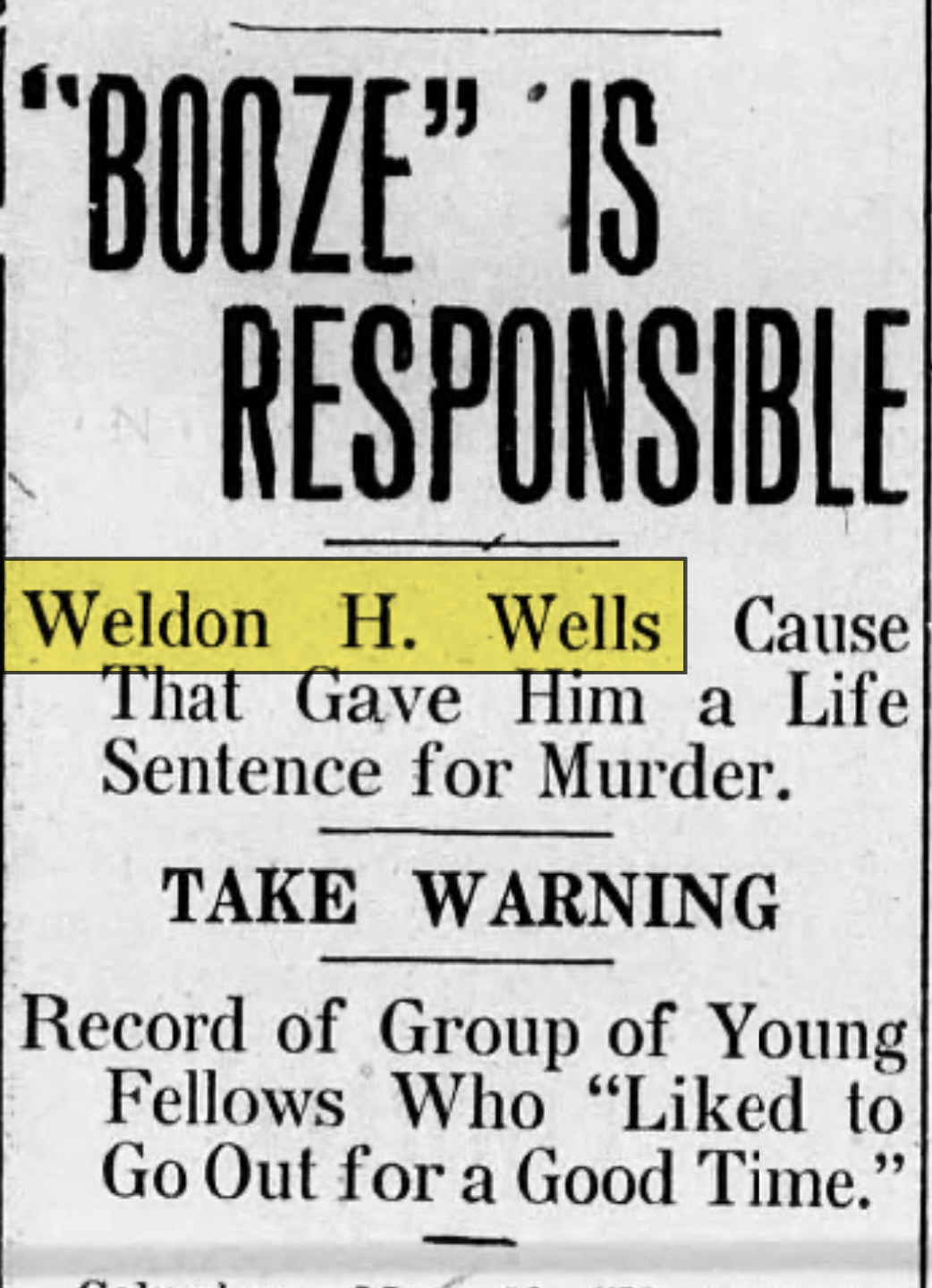
In the Piqua interview, Wells is quoted as saying, “If that one poor soul that I sent to eternity is sacrificed for the good of women and girls who are left on earth, I am sure she would be glad to know of it.” He went on to say, “And if my life, spent in prison, will have the proper effect on manhood in the future, I am positive it will not be hard for me to bear such a life.”
Wells accepted his fate. He seems to have become a member of the Temperance Movement that was very active at the time. Many activists in the Temperance Movement were religious leaders. There was a focus on the youth of society because of the effects of alcoholism as exemplified by the case of Welden H. Wells and Mona Bryon Simon.
The lower headline, Take Warning, certainly was an attempt by Wells, and possibly The Piqua Daily Call, to advance the cause of the Temperance Movement. In the article, Wells is quoted as saying, “I am in prison for the same reason that nine-tenths of the men in prison are there – booze. Whiskey turns good men into thieves and murderers. I hope the world will take warning in my case before it is too late.“
It is apparent that Wells, after his conviction, quickly evolved into a proselytizer. Expounding on his bad decisions in life. Wells said he was “associated with a half dozen young men a few years ago who were not bad, but who liked to go out occasionally for a good time. Today, half of the number are in prison, one is dying of tuberculosis, one is dead and the other has disappeared . . .”
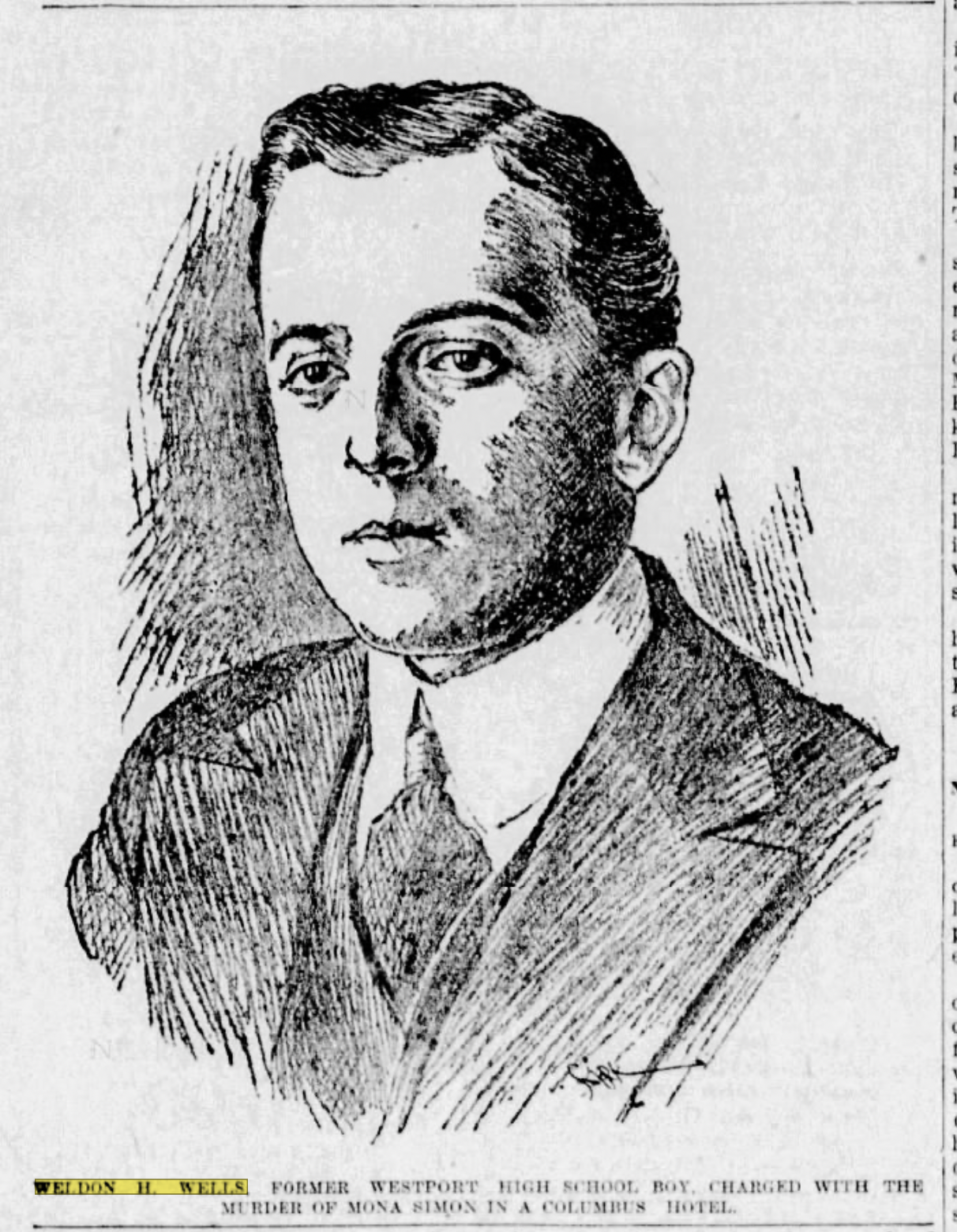
Wells went on to reflect on his past and what he had done to the Mona Simon. He said, “She was, without doubt, in the same condition as myself through the same cause, and I can appreciate this fact. I mean no slur on the other party in my trouble.” Wells describe himself as being a “. . . . nervous, physical wreck tending toward the degenerate. I met the poor woman of the street with whom I would have had nothing to do if I had not been in such a deplorable physical and mental condition.”
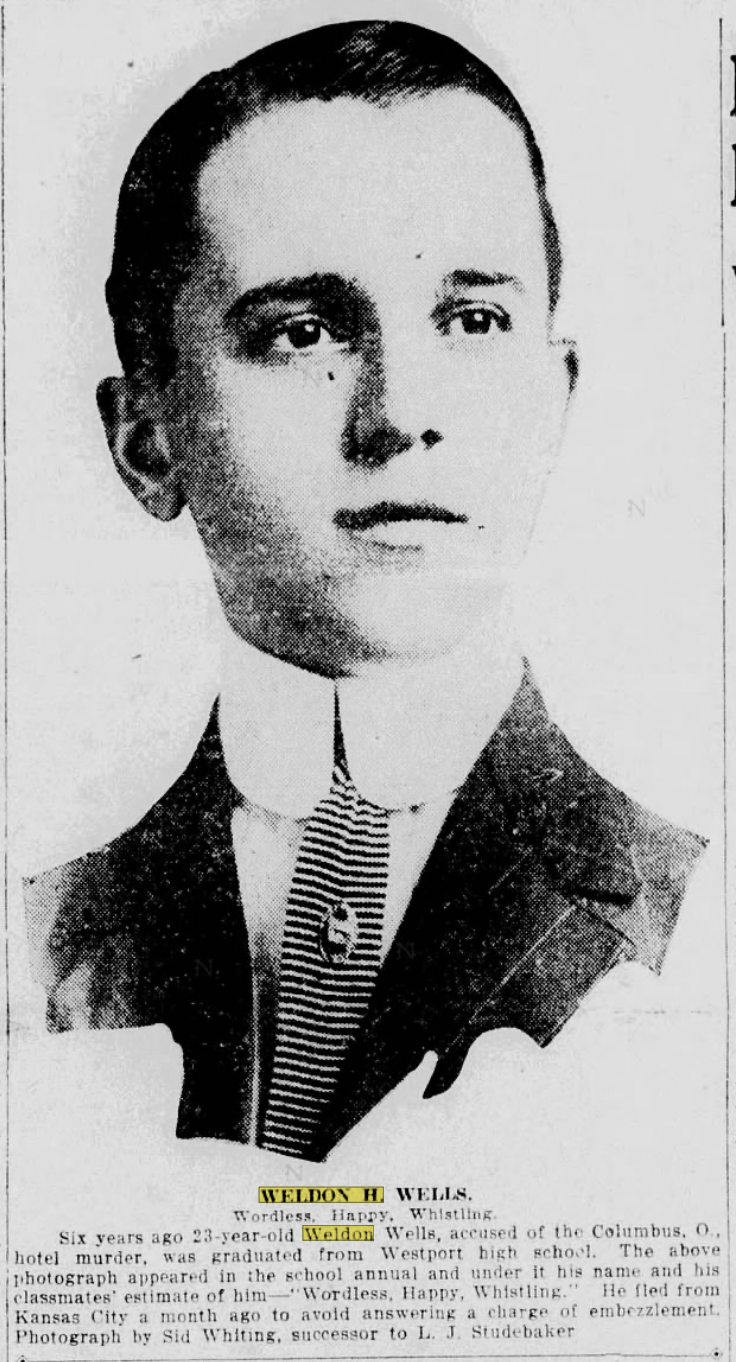
A life sentence was not in the cards for Weldon Wells. His case, perhaps due to his mea culpa made on and published in the newspapers, garnered empathy that eventually resulted in his sentence being commuted by the Governor.
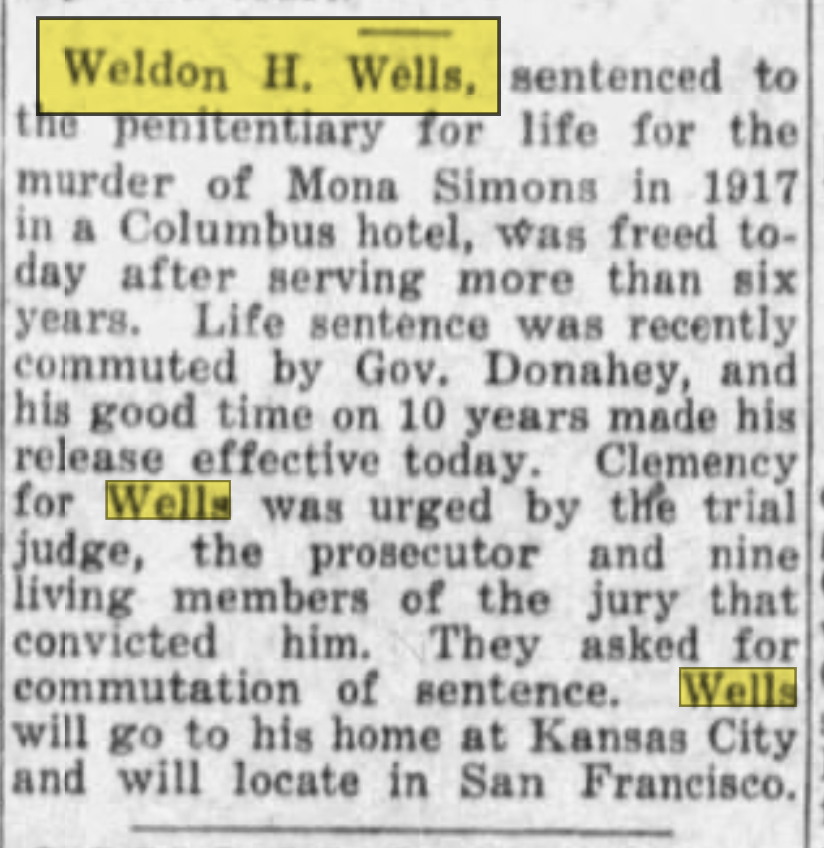
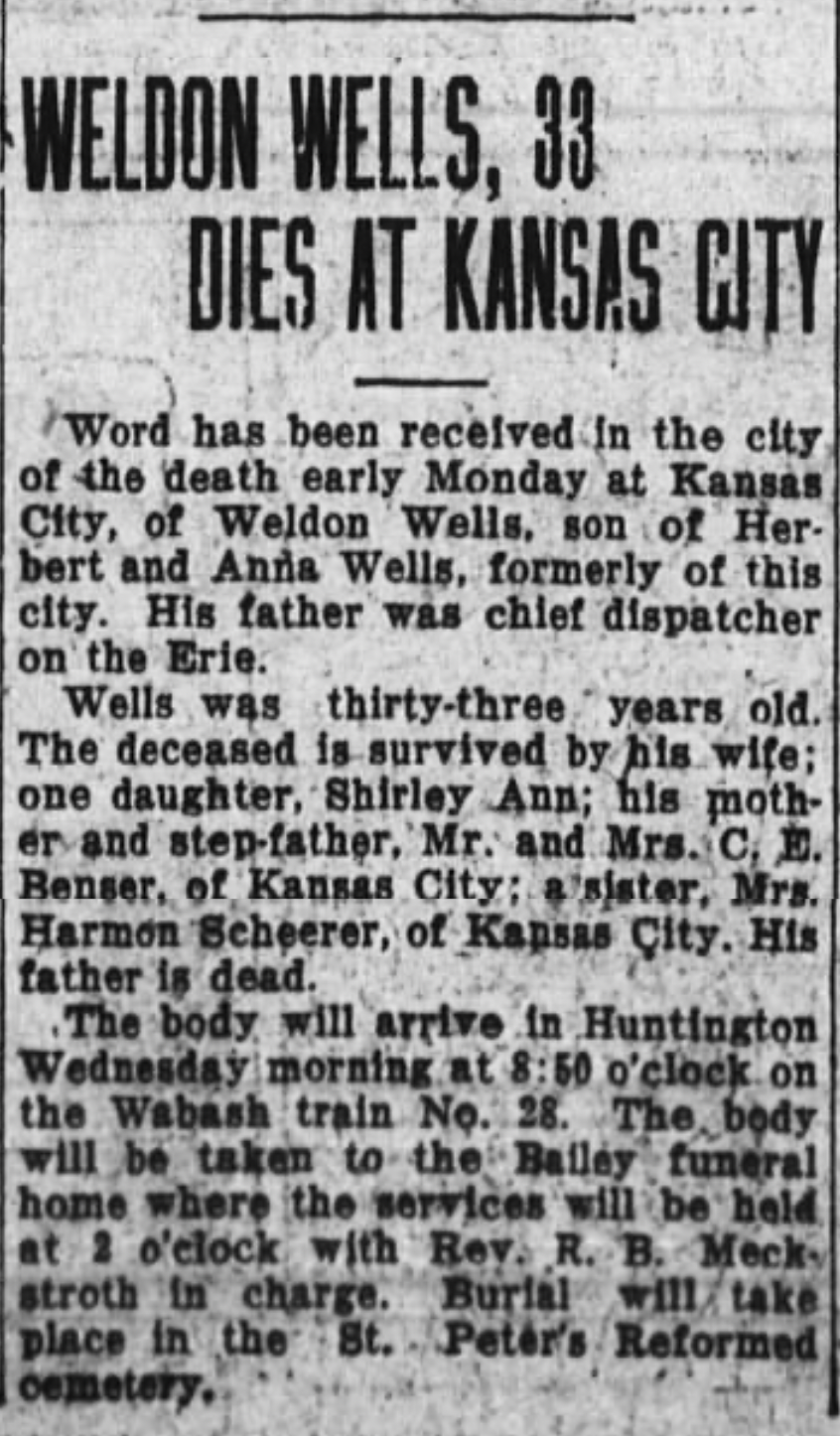
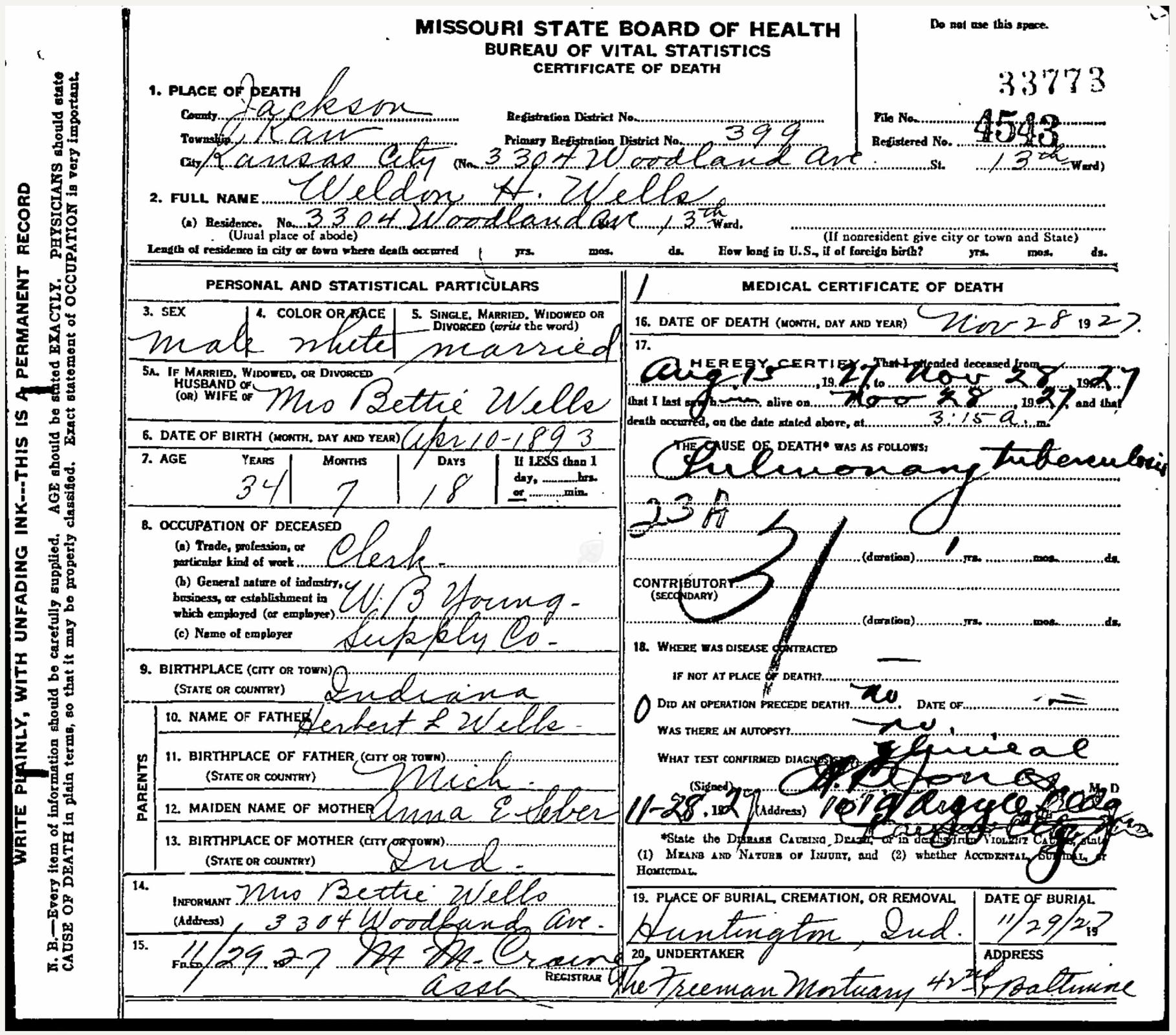
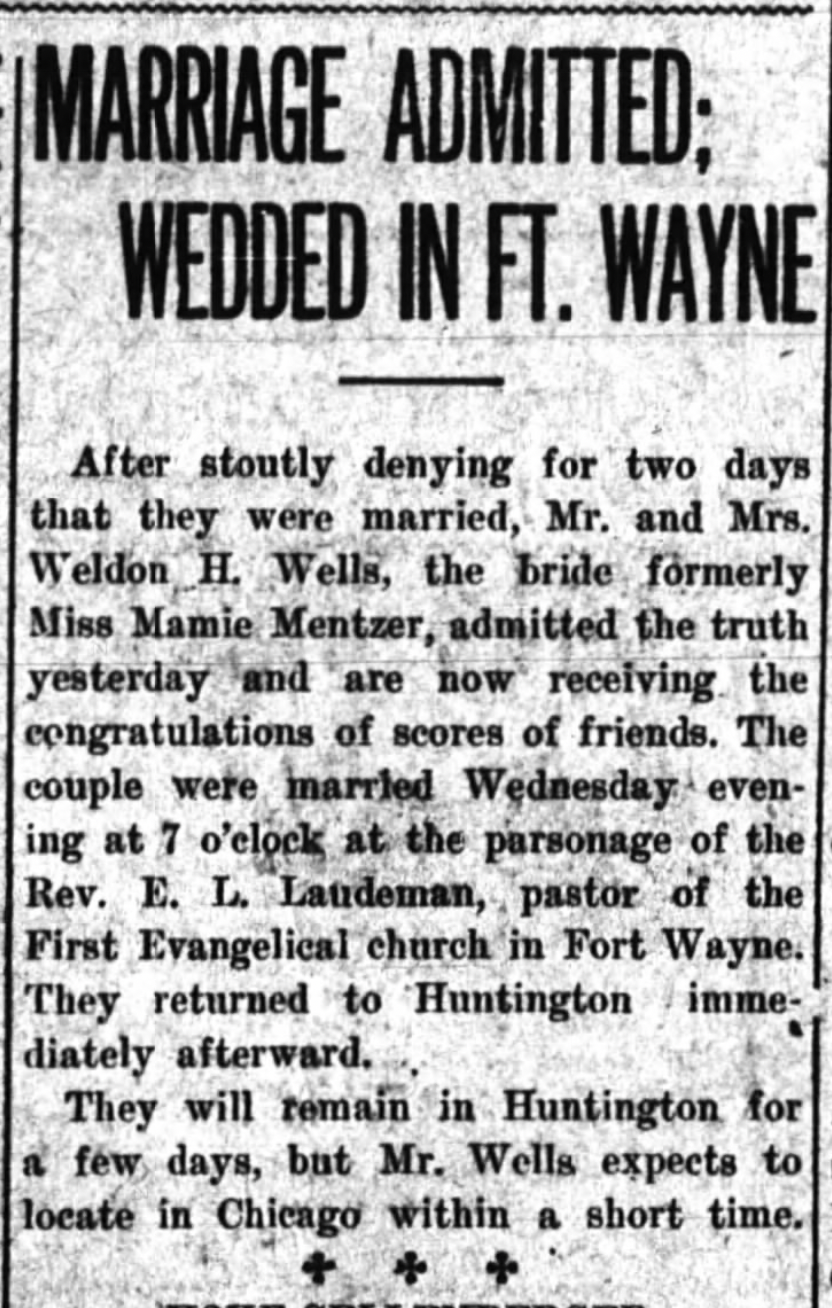
Kismet played a role in the rest of Weldon’s life, just as it did when he met Mona Simon in 1917. Weldon was released from prison in 1923, but he only lived an additional 4 years. He died in his home in Kansas City in 1927 at the age of 33 from tuberculosis. The cause of his death could not be found in any reports, though his former spouse, Mamie E. Mentzer, died October 14, 1917, at age 22 from tuberculosis. She had married Wells on May 20, 1914 at the age of 19.
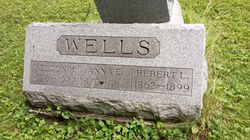
Fortunately, Weldon did say something positive about Mona Simon immediately after his conviction: “She would have had no more to do with me than I with her, if our physical conditions had been reversed. This woman, once the pride of a happy family, met a horrible death, while I also was the pride and hope of as good a mother as lives, have been sentenced to spend the rest of my life in prison. We would never have met if it had not been for drinks.”
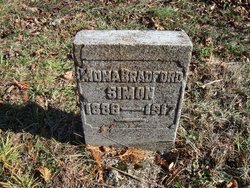
Mona’s body was transported to her siblings for burial. Her death was used by The Women’s Christian Temperance Union as an example of the evils of alcohol and it paid for her burial. That might explain the name Bradford rather than Byron on the headstone.
Postscript
Weldon H. Wells used alcohol as his excuse for the murder of Mona B. Simon. Well before that terrible event, Wells was an enigma, of sorts. In digging into Wells the “Person” to learn his character, several newspaper stories about him were at best puzzling. I include them here for historical reference so readers may have a complete picture of Weldon H. Wells.
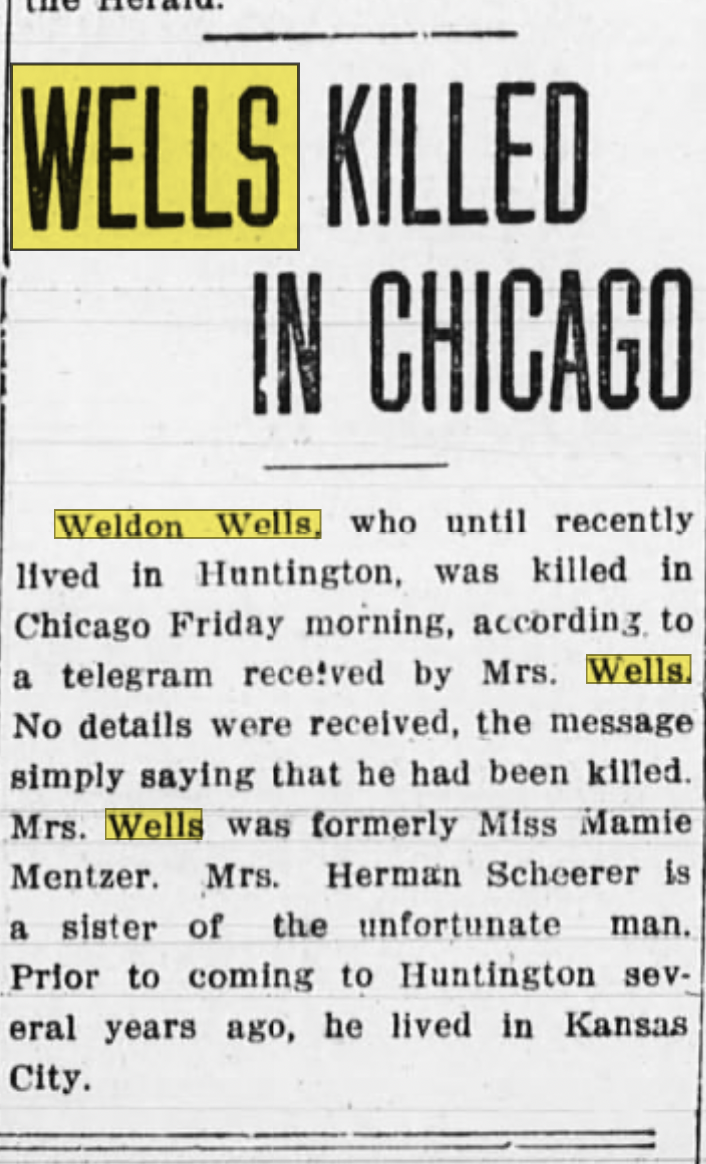
A follow up to this story was not found. Why Wells’s family was notified of his death is unknown – and obviously inaccurate.
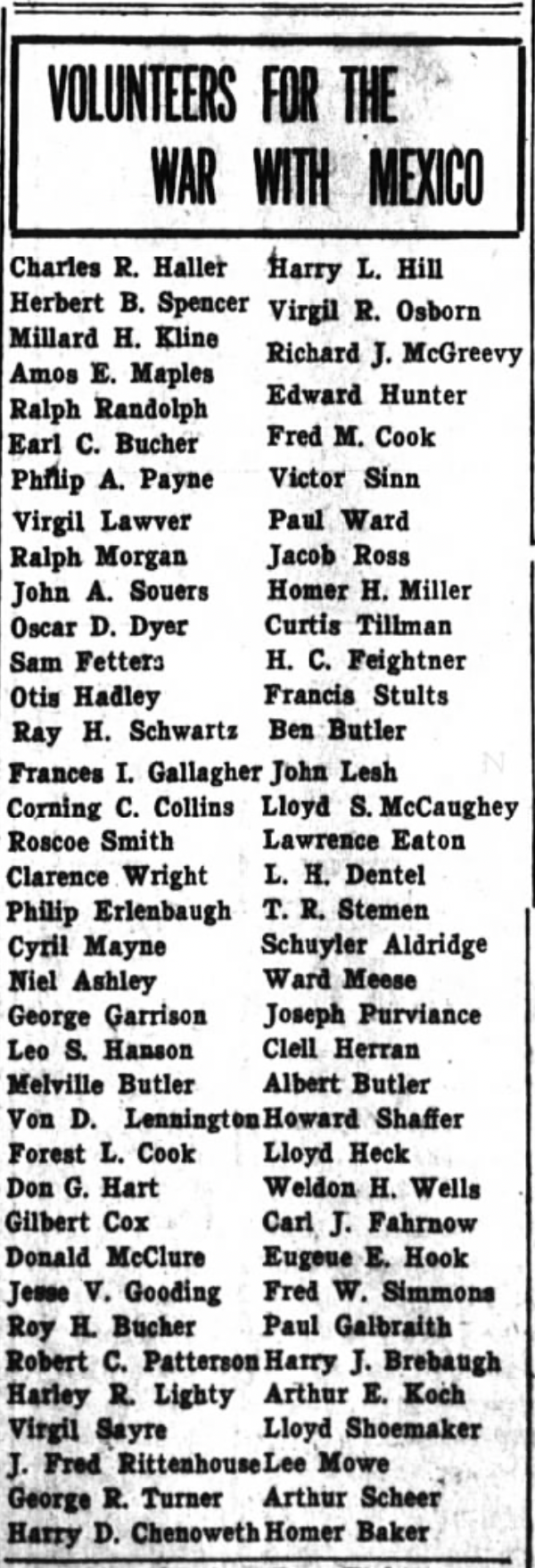
The Battle of Veracruz took place between April 21, 1914 and November 23, 1914, part of the tense diplomatic relations between Mexico and the United States related to the ongoing Mexican Revolution. Is appears the possibility of war between the United States and Mexico was an attraction to Wells and he is reported to have volunteered to join the fighting.
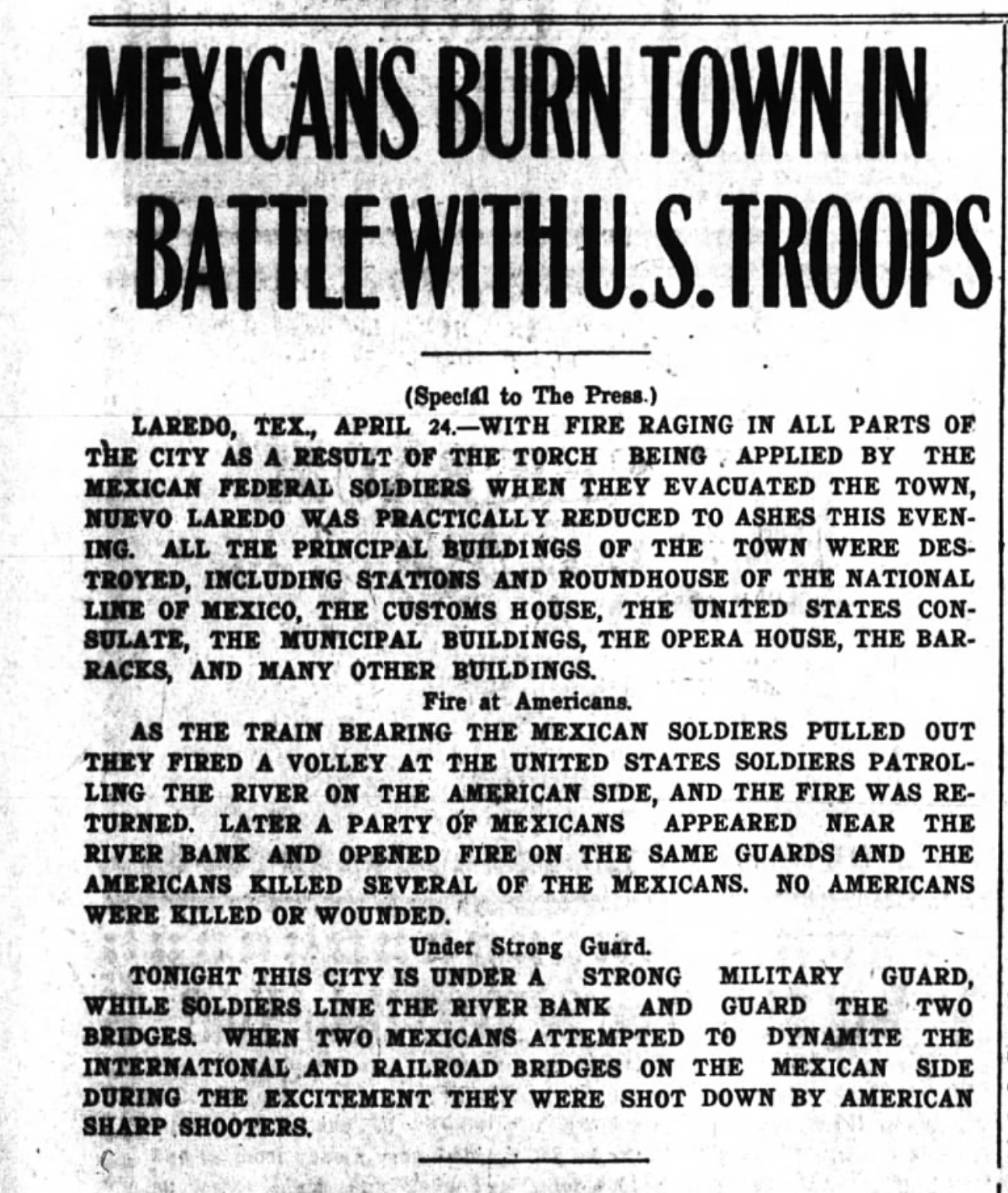
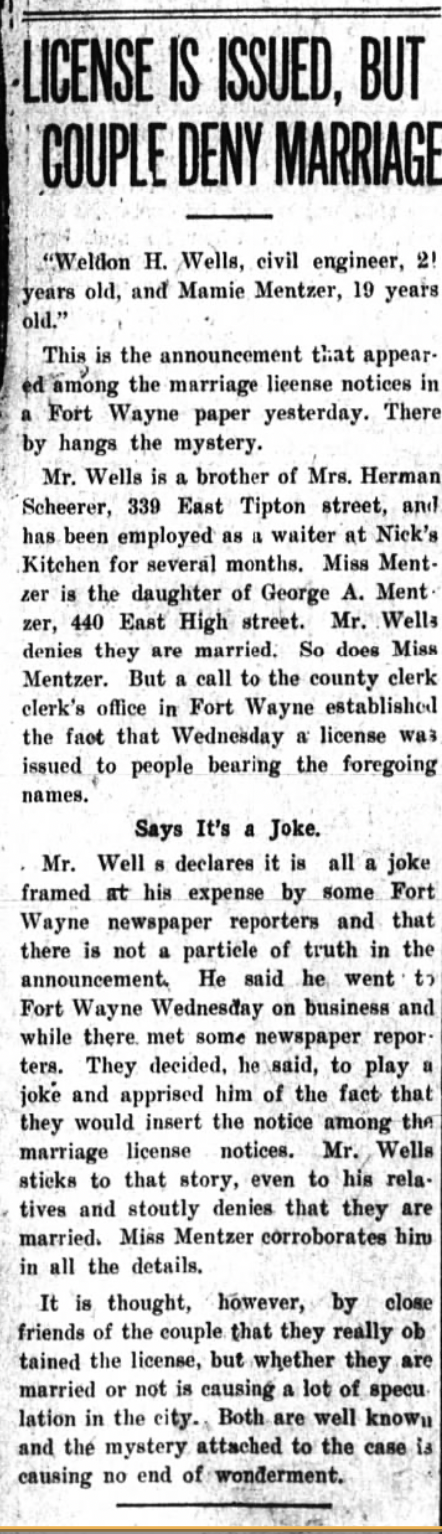
For some unknown reason, Wells attempted to hide his marriage to Mamie E. Mentzer.
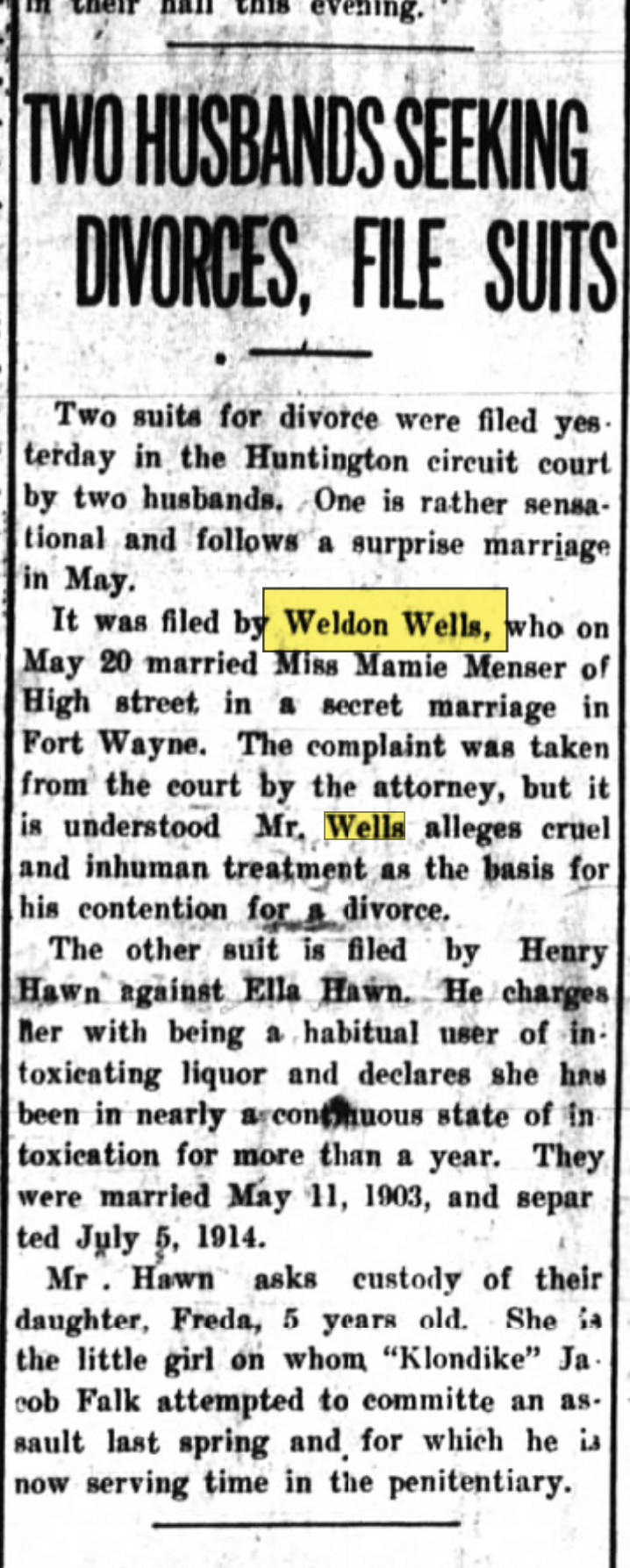

Thus was the life of Weldon Herbert Wells, Mamie E. Mentzer and Mona B. Simon. I invite your thought about the people involved in this misadventure.


that’s a really interest in g story
LikeLike
Yes, it is, Ruby. That is what kept me researching the tragedy. It is also a sad story about two young people who made bad choices that cut short their life.
LikeLike