Musical accompaniment: Gnossienne No. 1 by Erik Satie
Carl Gustav Jung, the famed Swiss doctor, is perhaps the most brilliant psychiatrist in history. Jung’s career began after he graduated from medical school in 1900. His future soon took a turn when Dr. Sigmund Freud became his mentor. By 1910, Carl Jung was widely considered to be the heir to Dr. Freud’s massive reputation.
But Jung was uneasy. He had reached conclusions that left him at odds with the great doctor on many important topics. For years, he said nothing. He didn’t expect his famous mentor to agree with new theories that could invalidate his own ideas. But he doubted Freud could accept that Jung believed them.
Freud and Jung together in 1909:
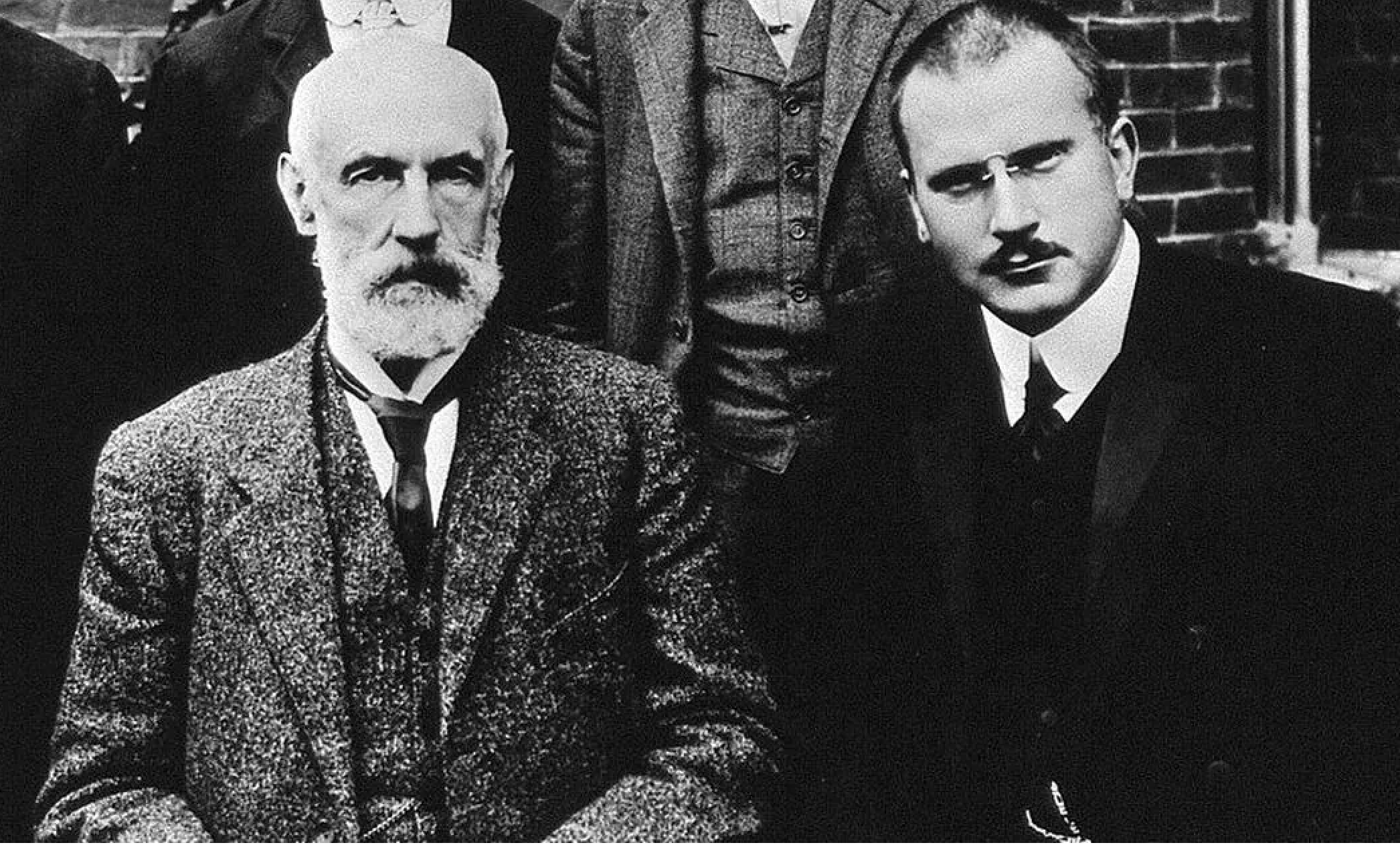
Wikimedia
Jung began writing his ideas in a book called Symbols of Transformation. But he hesitated to publish it. He knew Freud. He believed the famed doctor would no longer be a friend and might even strike out at him. Jung’s wife Emma urged him to publish his book. She couldn’t believe the great Dr. Freud would abandon her husband over a difference of opinion.
Jung published his book in November 1912. Two months later, a letter arrived from Freud, stating their friendship was over. Their professional contact didn’t survive much longer. Freud’s powerful friends immediately dropped Jung and ridiculed his book as the ravings of a mystic. To use a modern term, Jung was cancelled.
Goodreads
Everything Jung feared had come to pass. He was unsurprised but the stress of Freud’s abandonment combined with the likely destruction of his reputation damaged his mental health and left a deep, permanent impression on him.
No one knows their future. Jung would go on to recover his reputation and to see it rise to heights he never dreamed of. It’s good he did not know. It’s our troubles that shape us into who we are.
No one has ever surpassed Jung’s thinking on the unconscious mind. His impact on modern thought is immense. He identified the traits of introversion and extroversion and coined those terms. He pioneered the concept of duality. He defined the conscious mind (what you are aware of and want to be) and the unconscious mind (the hidden, rejected, and repressed parts of you that drive many of your desires, behaviors, and compulsions). The brilliant doctor once said: “Until you make the unconscious conscious, it will direct your life and you will call it fate.”

All of this has been a prelude to one of Jung’s lesser-known achievements called The Red Book (Liber Novus), so named for its cover:
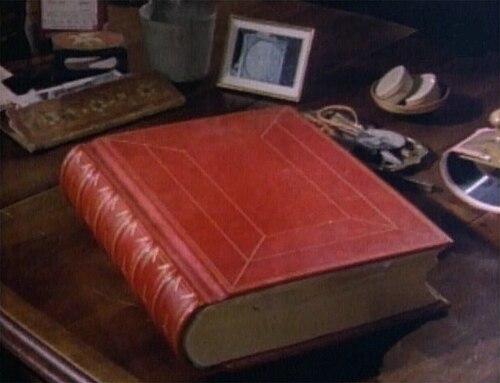
Wikimedia
The book is handwritten in Latin, German, and ancient Greek with illuminated calligraphy. It looks like something a monk would’ve produced in 800 AD:
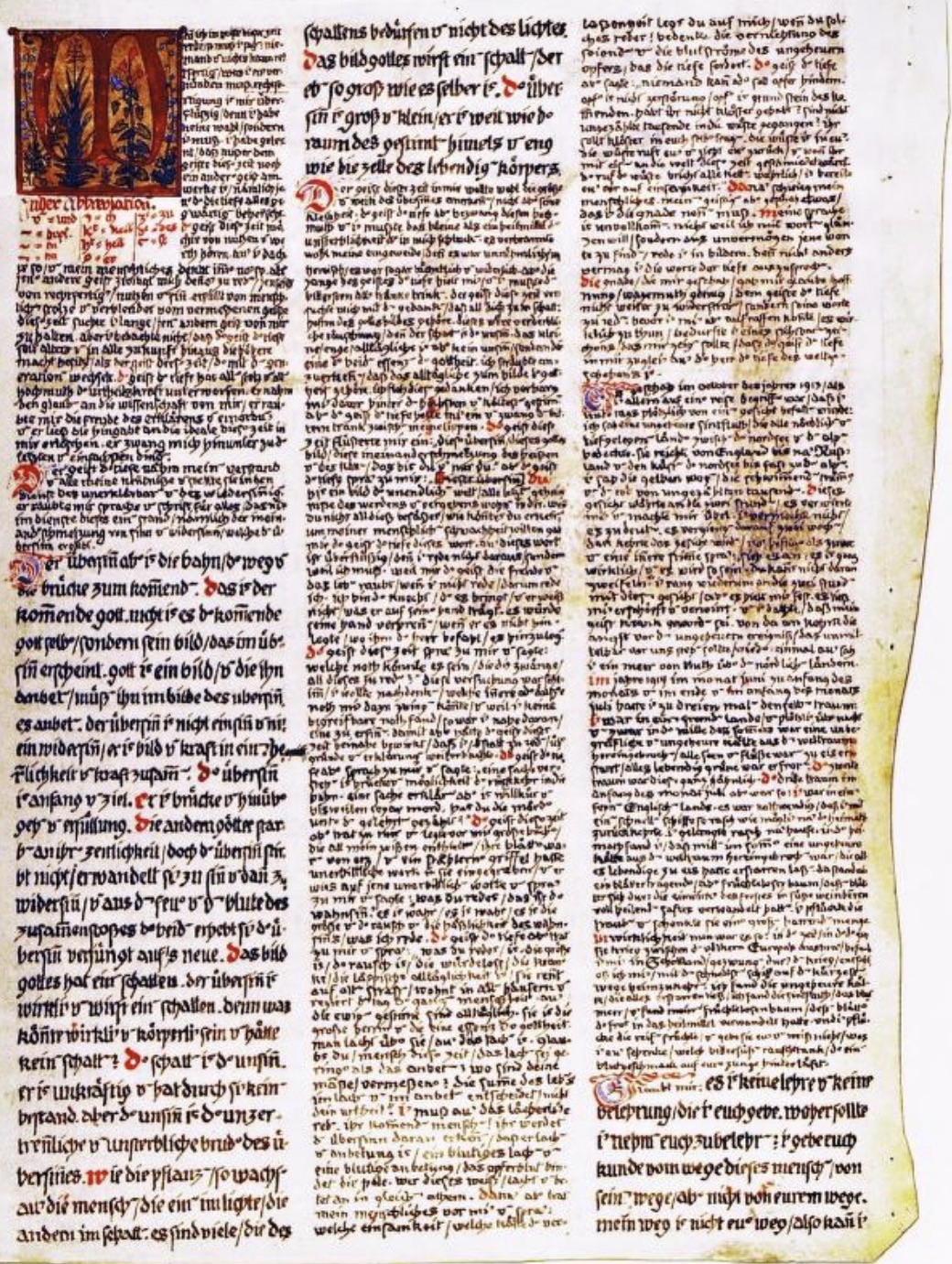
Archive.org
Some of the text describes some of the visions Jung began to have in 1913. They may have been premonitions of World War I, which broke out later the following year. Jung described them as “rivers of blood.”
The book is filled with beautiful pictures Jung made. His artwork would have appeared outlandish at the time. He was way ahead of his time. Some of the pictures are vaguely terrifying.
I love this one:
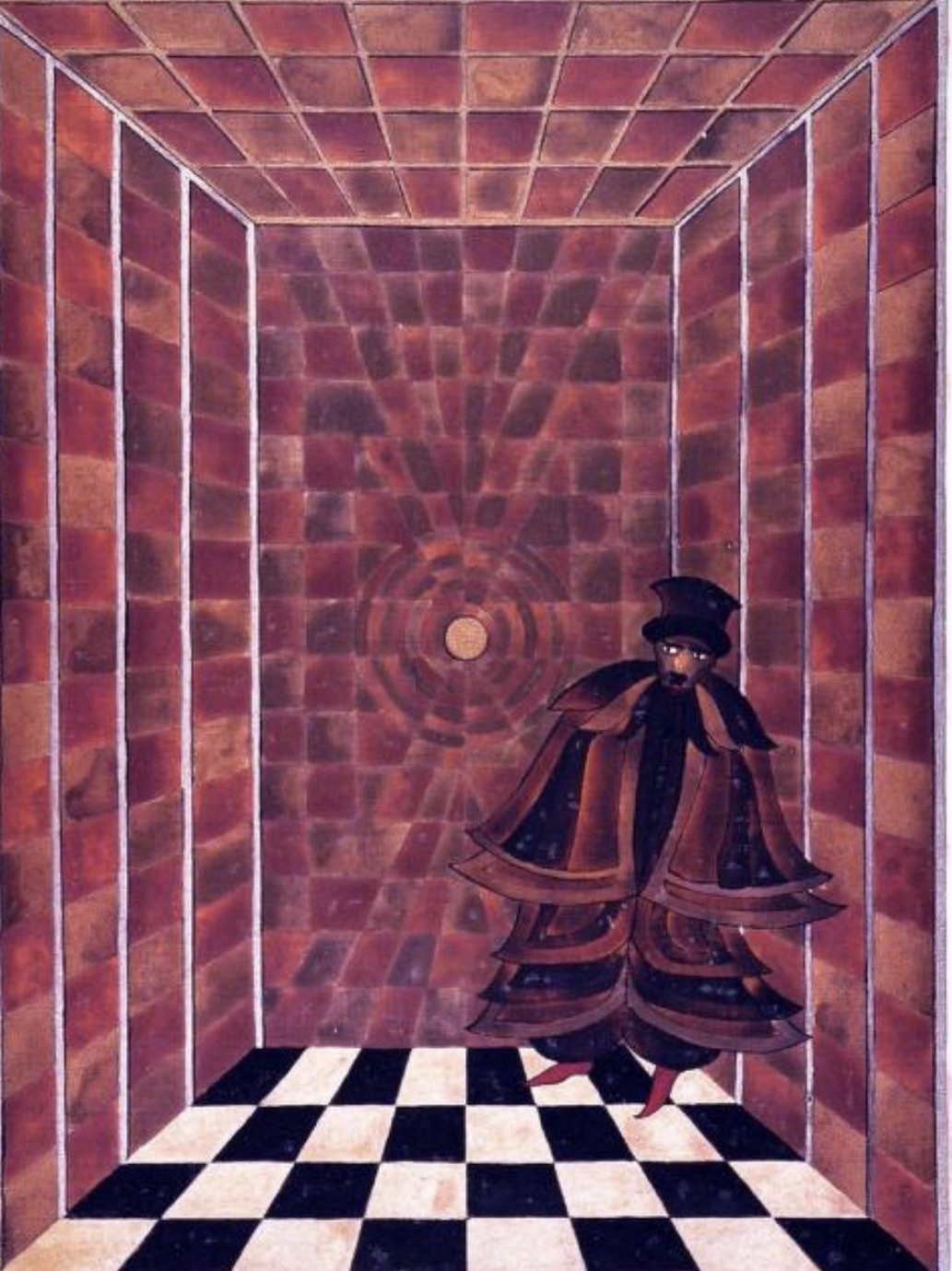
Archive.org
Other times they look like more serene, like mandalas.
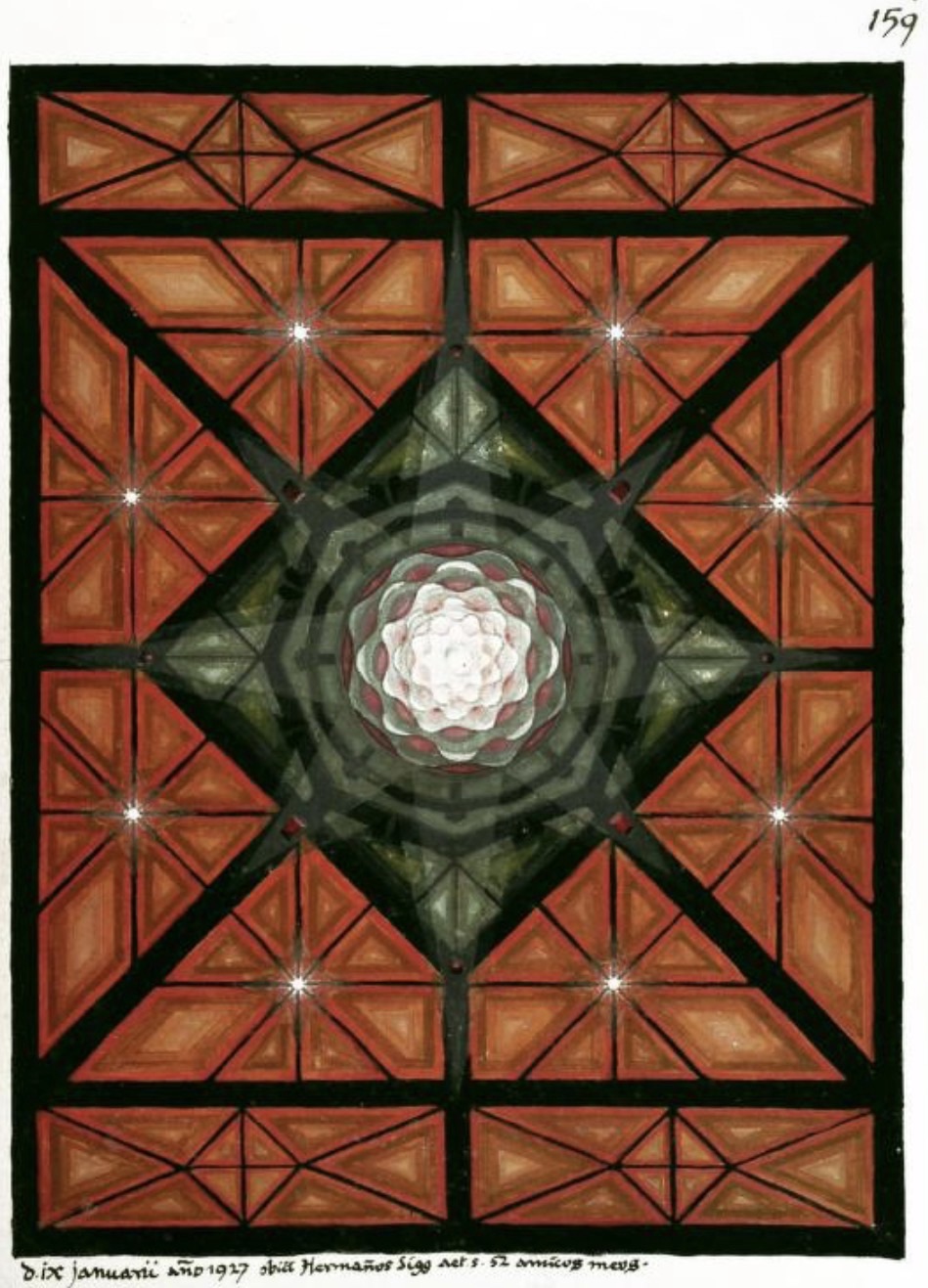
Archive.org
Jung began the book in 1914 and worked on it until 1930, when he stopped mid-sentence. In the final part of the manuscript, Jung records the words of Jesus in a visionary encounter: “I bring you the beauty of suffering. That is what is needed by whoever hosts the worm.”
“The worm” was a term Jung used to represent the dark side of the unconscious–the duality in every aspect of Jung’s work.
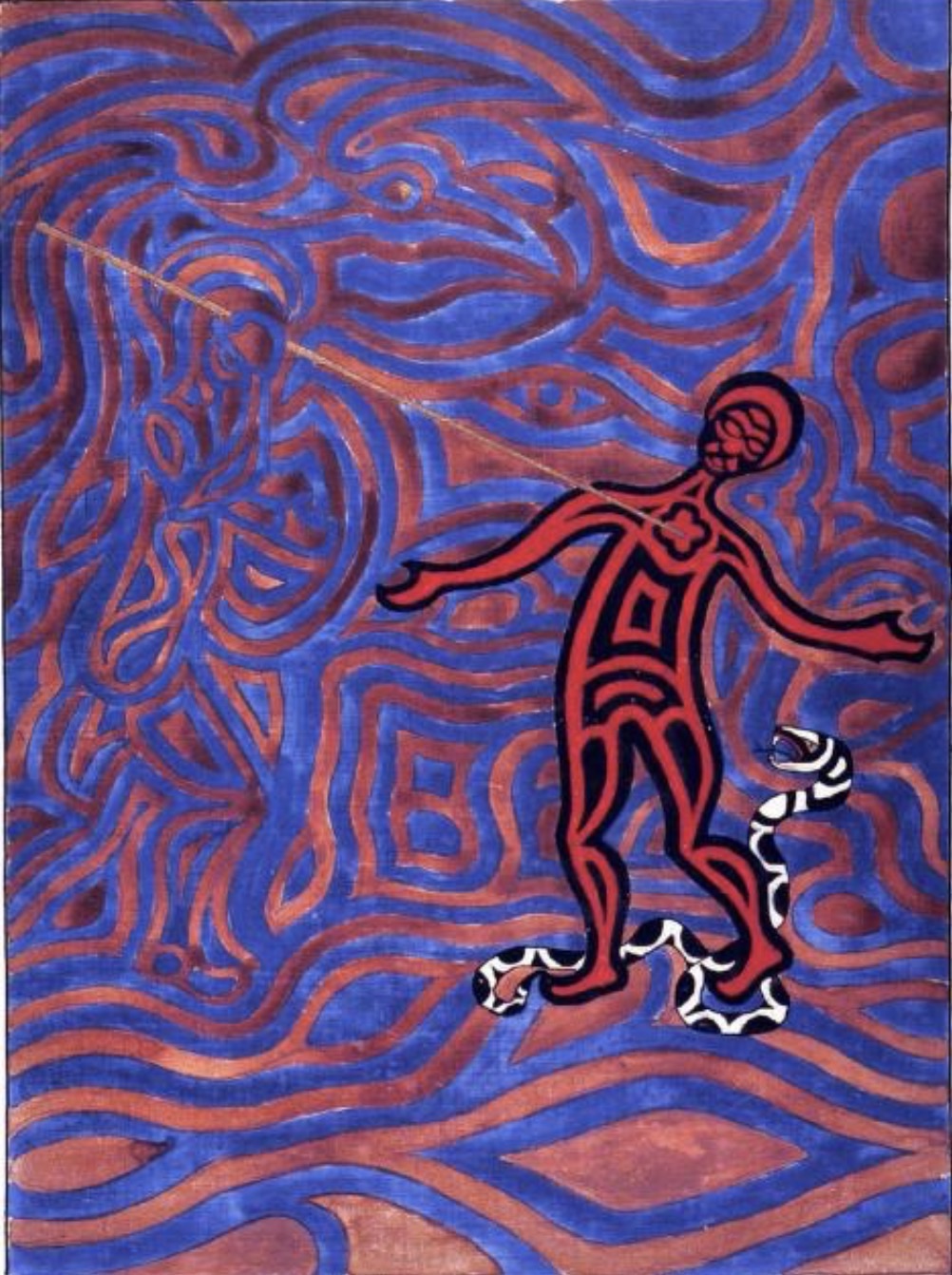
Archive.org
Jung returned to the manuscript 29 years later to write this brief epilogue:
“I worked on this book for 16 years. To the superficial observer, it will appear like madness. It would have developed into one, had I not been able to absorb the overpowering force of the original experiences. With the help of alchemy, I could finally arrange them into a whole.
I always knew that these experiences contained something precious, and therefore I knew of nothing better than to write them down in a ‘precious,’ that is to say, costly book and to paint the images that emerged through rekindling it all—as well as I could. I knew how frightfully inadequate this undertaking was, but despite much work and many distractions I remained true to it, even if another possibility …”
Curiously, the epilogue trails off mid-sentence. Jung passed away two years later, in 1961.
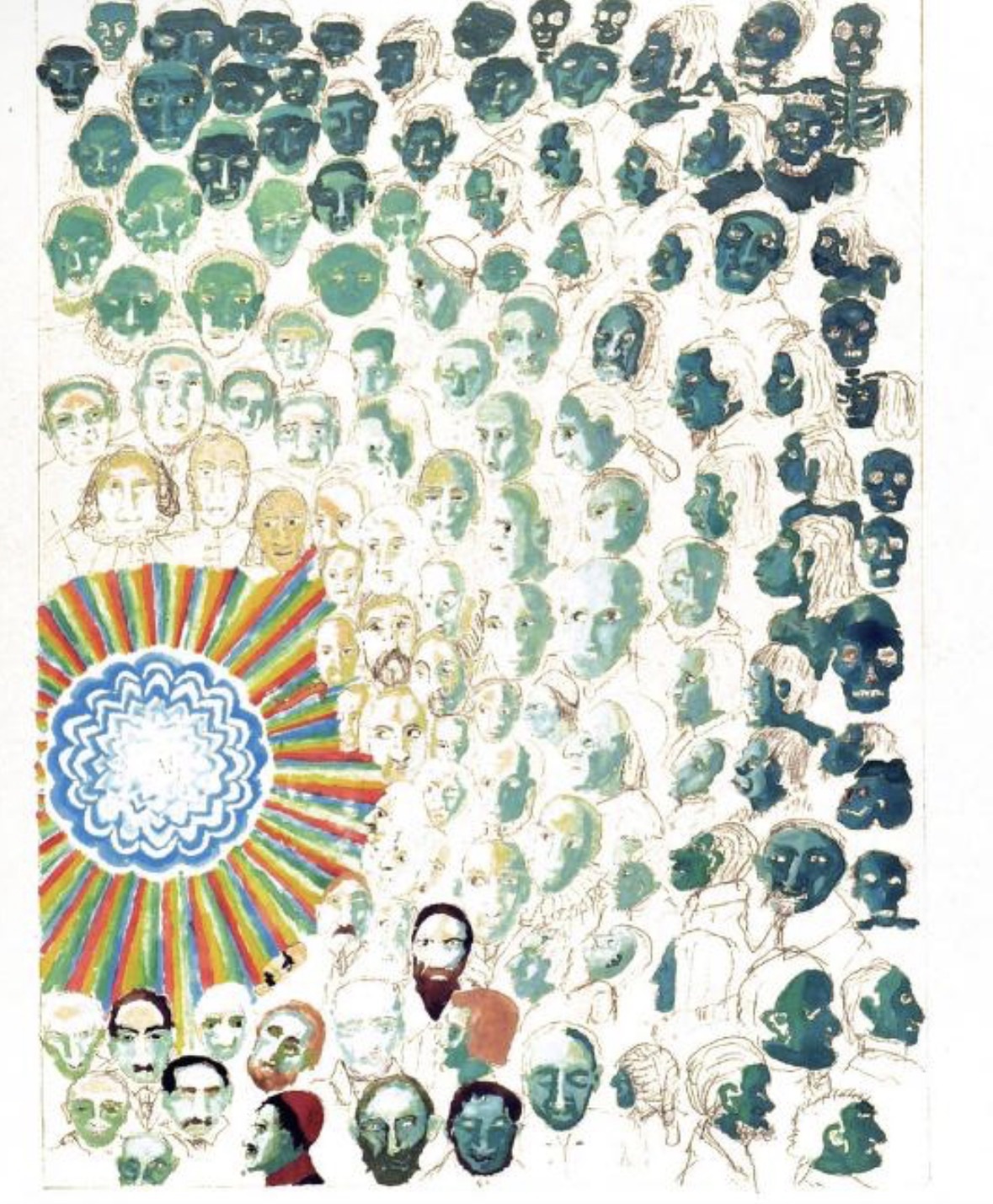
Archive.org
The book was kept private until 2009 when the Jung family released it to the public.


jung made those pictures?? wow!
LikeLiked by 1 person
I have to agree, Ruby. Jung’s art fascinating. In ways it is like a kaleidoscope. It seems Jung was fascinated with small, repetitive images, much like someone who suffers from dementia likes to sort and arrange small items. It brings them a simple, predictable activity with a clear purpose. I am not an expert in any of the fields pertaining to the human mind or brain, but I did stay in a Holiday Inn once. (Sorry, I couldn’t resist the attempt at humor.)
LikeLiked by 2 people
i never heard that about dementia patients before! is that something they should do or a symptom of it
LikeLiked by 1 person
I do not profess to be an expert; I do have some personal experience. I noticed that a relative, now in a memory care facility, playing with her entire week’s of pills that had been in a large pill case dumped on the table in front of her. She was occupying her time by putting the like pills into groups. Intrigued by that I found many toys available for dementia patients that involve accomplishing small tasks, organizing, etc. I learned it gives the person a sense of accomplishment and some provide require use of memory. They are sold through the major online retailers. Ofter they are referred to as “busy boards” and “fidget activities” for dementia and Alzheimer’s patients.
LikeLiked by 1 person
Oh wow, that’s interesting to know!
LikeLike
I hadn’t either!
LikeLike
I remember studying Jung in college. Freud, too. Wasn’t aware of Jung’s art, so thanks for the edification. It seems to me that many psychologists are in need of a good psychologist.
LikeLiked by 1 person
There’s some kind of parable about that, I’m sure 🙂
LikeLike
Parable is not the word, anecdote is more appropriate. Suffice it to say I know a person with a PhD in psychology and at times I scratch my head when I hear their thinking and hear of their behavior. Knowing theory and applying it requires different talents, in my opinion. The #1 law school graduate does not necessarily make the best lawyer.
I believe Albert Einstein was correct when he said: “Creativity is intelligence having fun.”
LikeLike