This amazing story comes to us all the way from Sydney, Australia. It’s not quite long enough for a short story, so I’m publishing it here as a serial.
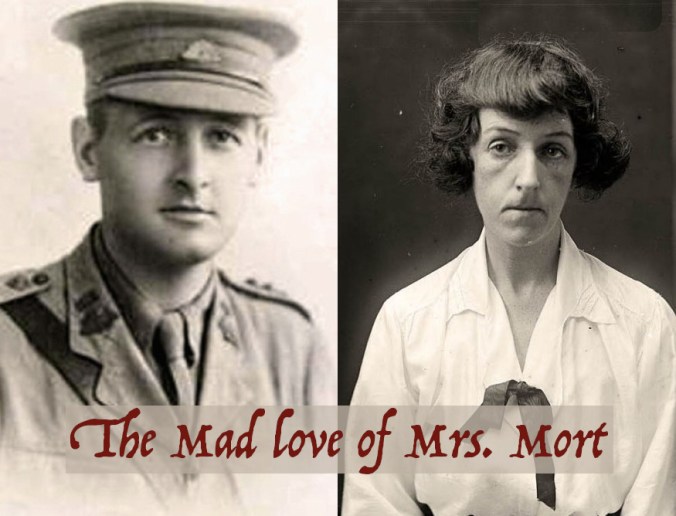

Part 1: “Mrs. Mort seemed out of her mind.”
Harold Mort was concerned about his 32-year-old wife Dorothy. The Sydney housewife and mother of two was being treated for neurasthenia, a condition commonly known as hysteria. The condition caused chronic fatigue, exhaustion, headaches, insomnia, irritability, dizziness, sleep difficulties, and other problems.
There had been some improvement in her symptoms. Dorothy was an aspiring actress and she was making an attempt to pursue a career in moving pictures but her progress came to a screeching halt in December of 1920 when she fell into a deep depression.
On the morning of Tuesday, December 21, 1920, Harold Mort telephoned Dr. Claude Tozer and told him Dorothy had been lying in bed for five days.
Harold had great confidence in the doctor. He had taken on Dorothy Mort’s case five months earlier and she had greatly improved under his care. Dr. Tozer was an impressive man. In addition to being a doctor and a specialist, the 30-year-old was a semi-professional cricket player and a war hero who spent four years at the front during the Great War. He had been badly wounded but made remarkable recovery. Dr. Tozer promised to pay a house call that day.
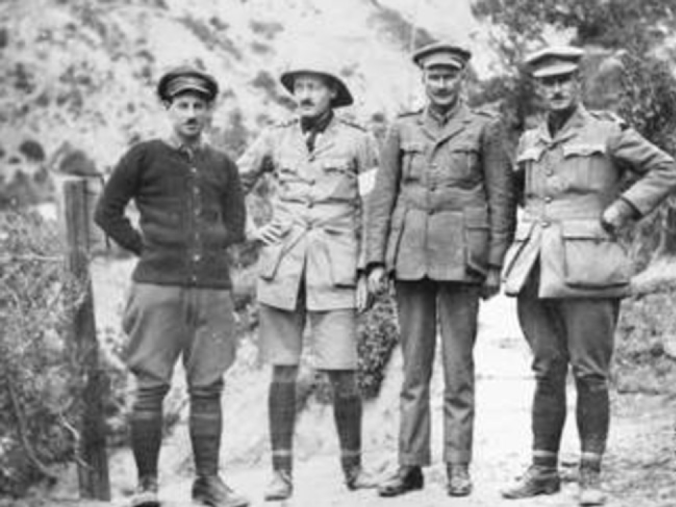
Claude Tozer, second from left, at Gallipoli in 1915.
Harold was relieved and felt confident enough to go to work, leaving his wife in the care of Florence Fizzele, who served as a paid companion to his wife.
Mr. Mort was hopeful that his wife might someday be completely cured. He had married 21-year-old Dorothy Woodruff in 1909, and she seemed perfectly healthy and charming at the time. He belonged to a wealthy and well-known family of Australian industrialists and clergymen and the couple started off well. They had a daughter and a son, and they purchased a splendid home on Sydney’s North Shore they named Inglebrae.

A drawing of Inglebrae
The first signs of trouble emerged four years into their marriage. Dorothy’s father, William Mackay Woodruff, began to display alarming signs of mental illness. Mr. Woodruff showed no evidence of any abnormalities prior to this period. His sudden preoccupation with violent murder made the people around him uneasy but no one thought he would act on it. On September 22, 1913 the 55-year-old suddenly snapped and took an axe to his wife Helen, splitting her forehead open. He then attacked his son Ronald. Though he had been sleeping when his father first struck him, Ronald Woodruff managed to fight his father off. This seemed to jolt the older man and bring him back to his senses.
Miraculously Helen and Ronald survived. William Woodruff was charged with felonious wounding with attempt to murder, but he was found not guilty by reason of insanity. He was packed off to Goulburn Prison and spent the next six years in the wing reserved for insane prisoners.
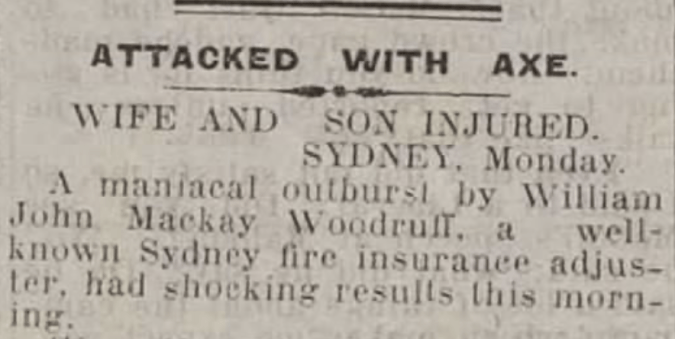
The Bendigo Independent 1913 article
When Dorothy’s father was released in 1919, he moved to New Zealand where he committed suicide on December 9 of that year. These terrible events have left a deep impression on Dorothy. Harold attributed all of his wife’s mental troubles to this distressing anniversary.
Miss Fizzele was well aware of Dorothy’s family history and her fragile mental state. Unlike Harold, she believed Mrs. Mort’s prognosis was a grim one. In the past five weeks, Dorothy had a fainting fit, a hysterical outburst brought on by a minor household accident, and seemed nearly catatonic at times. “Mrs. Mort did not seem at all sane. Her mind seemed to be getting worse,” Miss Fizzele remembered. “At times she seemed normal, and at other times she did not.” After Harold telephoned Dr. Tozer, Miss Fizzele helped Mrs. Mort tidy up her bedroom. She didn’t believe her employer was really better. Over the past week, Dorothy noticeably declined. “Mrs. Mort seemed to be out of her mind.”
Before I wrap up this post, I want to thank everyone who has reached out over the past couple of months to ask how to support my writing. I appreciate your kind words and suggestions more than I can express. I don’t have any plans to move the site to Substack. Old Spirituals will remain a free site for everyone who loves turn of the century history. If you liked this post, please subscribe to Old Spirituals, like and share the post on your social media, and leave a comment! It really helps other people find the site. And if you’re so inclined, check out my books on Amazon or click the button to Buy Me a Coffee!

 old spirituals
Pingback: The Mad Love of Mrs. Mort, Part 2 | old spirituals
Pingback: The Mad Love of Mrs. Mort, Part 3 | old spirituals
Pingback: The Mad Love of Mrs. Mort, Part 4 | old spirituals
Pingback: The Mad Love of Mrs. Mort, Part 5 | old spirituals
Pingback: The Mad Love of Mrs. Mort, Part 6 | old spirituals
Pingback: The Mad Love of Mrs. Mort, Part 7 | old spirituals
Pingback: The Mad Love of Mrs. Mort, Part 8 | old spirituals
Pingback: The Mad Love of Mrs. Mort, Part 9 | old spirituals
Pingback: The Mad Love of Mrs. Mort, Part 10 | old spirituals
Pingback: The Mad Love of Mrs. Mort, Part 11 | old spirituals
Pingback: The Mad Love of Mrs. Mort, Part 12 (final installment) | old spirituals
Pingback: New Murder, Old Questions | old spirituals
Pingback: Autochrome Photographs and a Serene Afternoon in New South Wales | old spirituals