Happy Thanksgiving, Old Spirituals readers! Though this isn’t a Thanksgiving-themed post, I’m very grateful for all of you!

Musical accompaniment: Someday Sweetheart by Jelly Roll Morton.
The Germans made excellent silent films. I’m no connoisseur but in my opinion, they were way ahead of everyone else in this area.
Part of it was the Germans’ talent for brilliant film sets. The Cabinet of Dr. Caligari (1920) had a nightmarish set with jagged lines that went a long way toward establishing this film as one of the most memorable horror movies ever made. Some of the scenes were tinted in blue or orange. I’ll add a link to the movie at the end of the post.
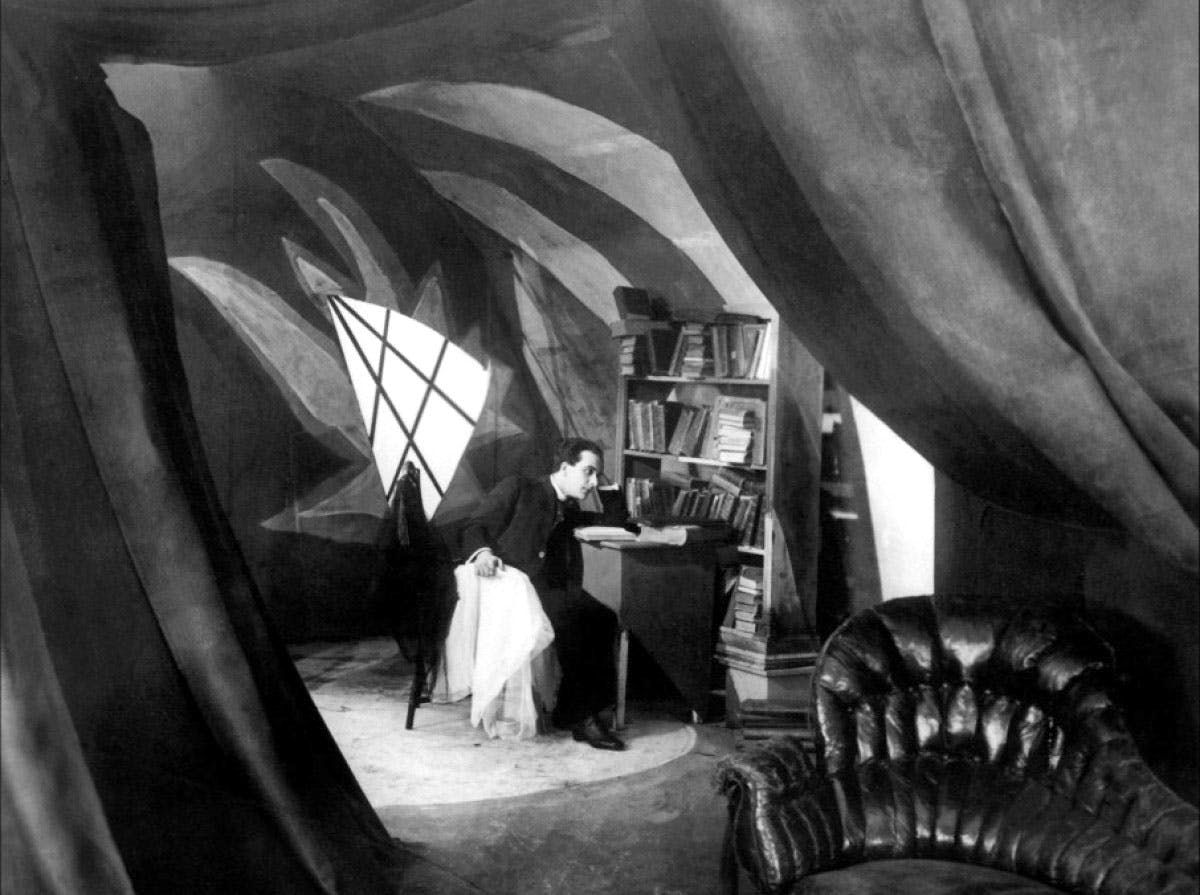

The Cabinet of Dr. Caligari
The set of Metropolis (1927) is pointed out as an excellent example of German expressionism. It’s instantly recognizable to millions of people, even today, 97 years after its release.
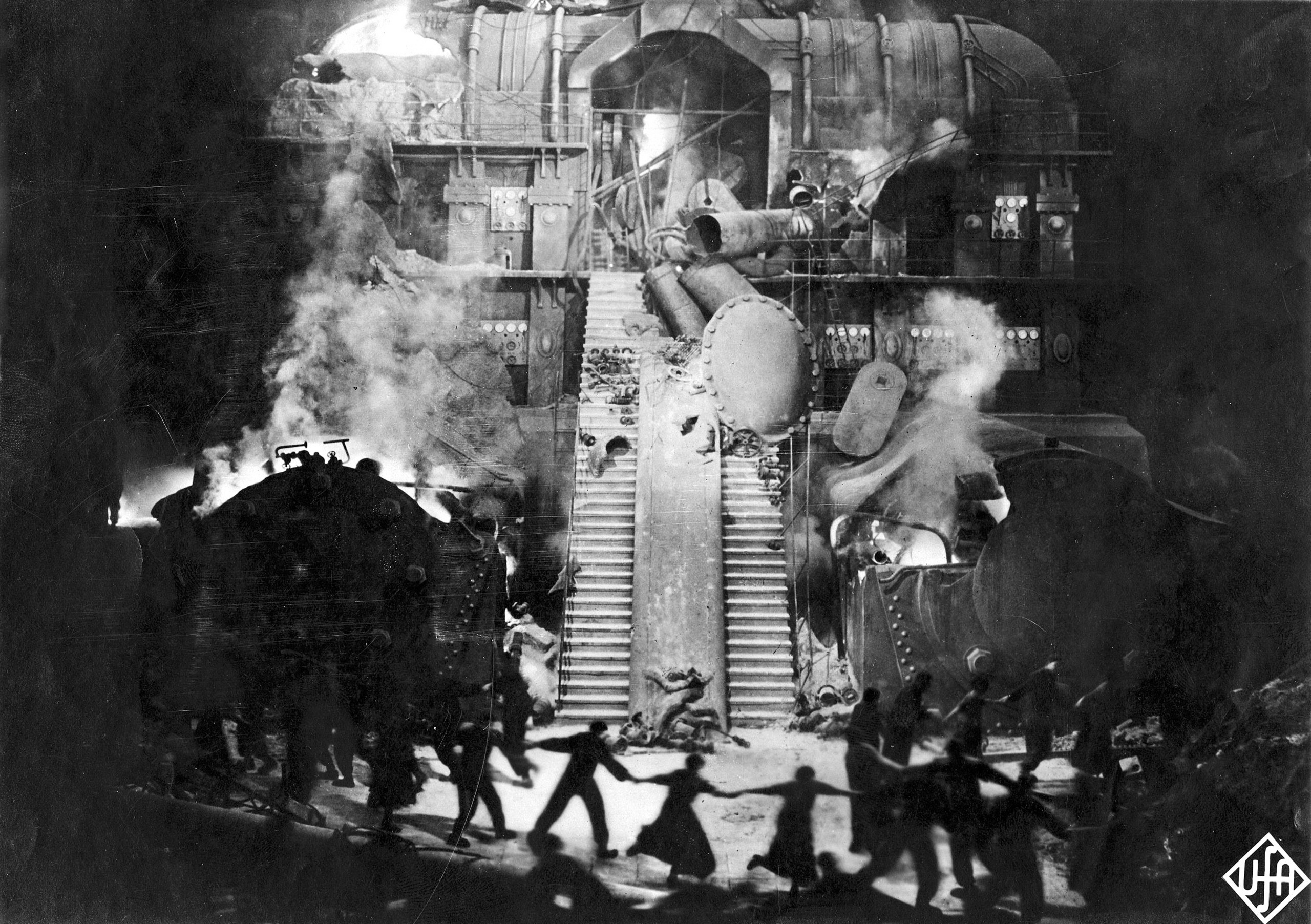
Metropolis set

Metropolis set
While the United States did well with silent comedy, the Germans excelled with social commentary and drama like Metropolis and Pandora’s Box (1929), which starred Louise Brooks as Lulu, an irresistible woman who brings ruin everywhere she goes.

Louise Brooks in Pandora’s Box
I slipped down the German silent film rabbit hole only because I found some interesting promotional pictures to share of the Danish actor, Olaf Fönss. He was one the biggest stars in Germany during the silent era.
Olaf’s breakout role was in a film called Homunculus. He starred as a perfect creature, manufactured as a baby that was created in a lab. As he grows up, Olaf discovers he has no soul and decides to revenge himself on mankind. He becomes “a monstrous but beautiful tyrant, relentlessly pursued by his creator-father who seeks to rectify his mistake.”
Here’s a picture of Olaf Fönss and Gudrun Brunn in Der Pfarrer am Meere (The Priest by the Sea)

Olaf Fönss in Die Sueche (The Addictions)

And in Homunculus (Small Human Creature)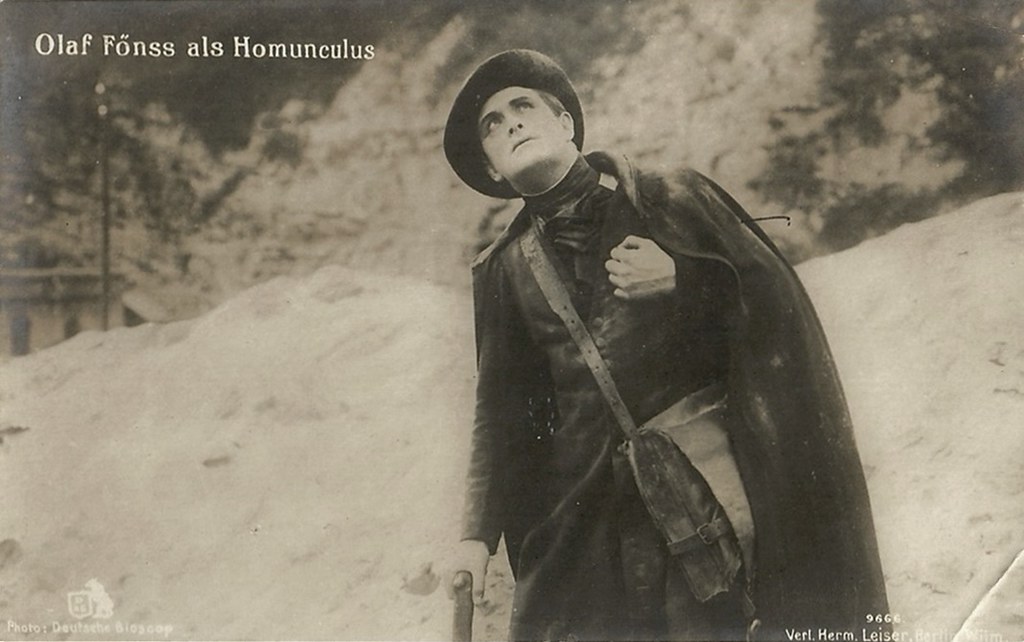
If you liked this post, please subscribe to Old Spirituals, like and share the post on your social media, and leave a comment! It really helps other people find the site. And if you’re so inclined, check out my books on Amazon or click the button to Buy Me a Coffee!

Want to watch The Cabinet of Dr. Calgari? It must be your lucky day!
 old spirituals
History presented in anecdotes story form makes any topic interesting. Early German film production is not a topic I would ever thought interesting . . . until now.
LikeLiked by 2 people
I’m eager to read your first silent film review!
LikeLike
The cabinet of Dr. Callagari was great!
LikeLiked by 1 person
Buona Festa del Ringraziamento!
LikeLiked by 2 people
happy thanksgiving!
🥕🥖🍗
LikeLiked by 1 person
Salud 🥂
LikeLike
You watched it! 🥰 it’s really good isn’t it?
LikeLike
A few years back, I read a biography of Alfred Hitchcock. Germany and silent films rang a bell in my memory, so I checked to be sure and Hitchcock directed a 1925 silent film, “The Pleasure Garden.” This was a British-German film.
LikeLiked by 2 people
I love Alfred Hitchcock! I’m going to look for it!
LikeLike
The Cabinet of Dr. Calgary was a dramatic change in film style, a landmark in the film industry, and is considered the first true horror film. It is also the first film noir, which later films like Batman similarly followed in 1989.
LikeLiked by 1 person
The beginning might seem a little cheesy to a modern viewer but you are right. It really is a landmark film. My favorite part is the jagged looking set. It’s the stuff of nightmares!
LikeLike