Musical accompaniment: I Fall to Pieces by Patsy Cline
I noticed that a lot of the photographs I feature have a particular look and feel but I was just describing it as turn of the century photography. It turns out it has a real name!
The Photo-Secession movement was founded in 1902 by photographer Alfred Stieglitz. The idea was to create photography that was like fine art. Photography was still in its infancy and primarily limited to the wealthy. Its purpose to provide an accurate representation of how people, places, and things actually looked. That must have been part of the reason the memento mori was popular in the decades leading up to the turn of the century. It was the family’s last chance to document how their loved one looked.
This picture of Robert Todd Lincoln is typical of ordinary portraiture.
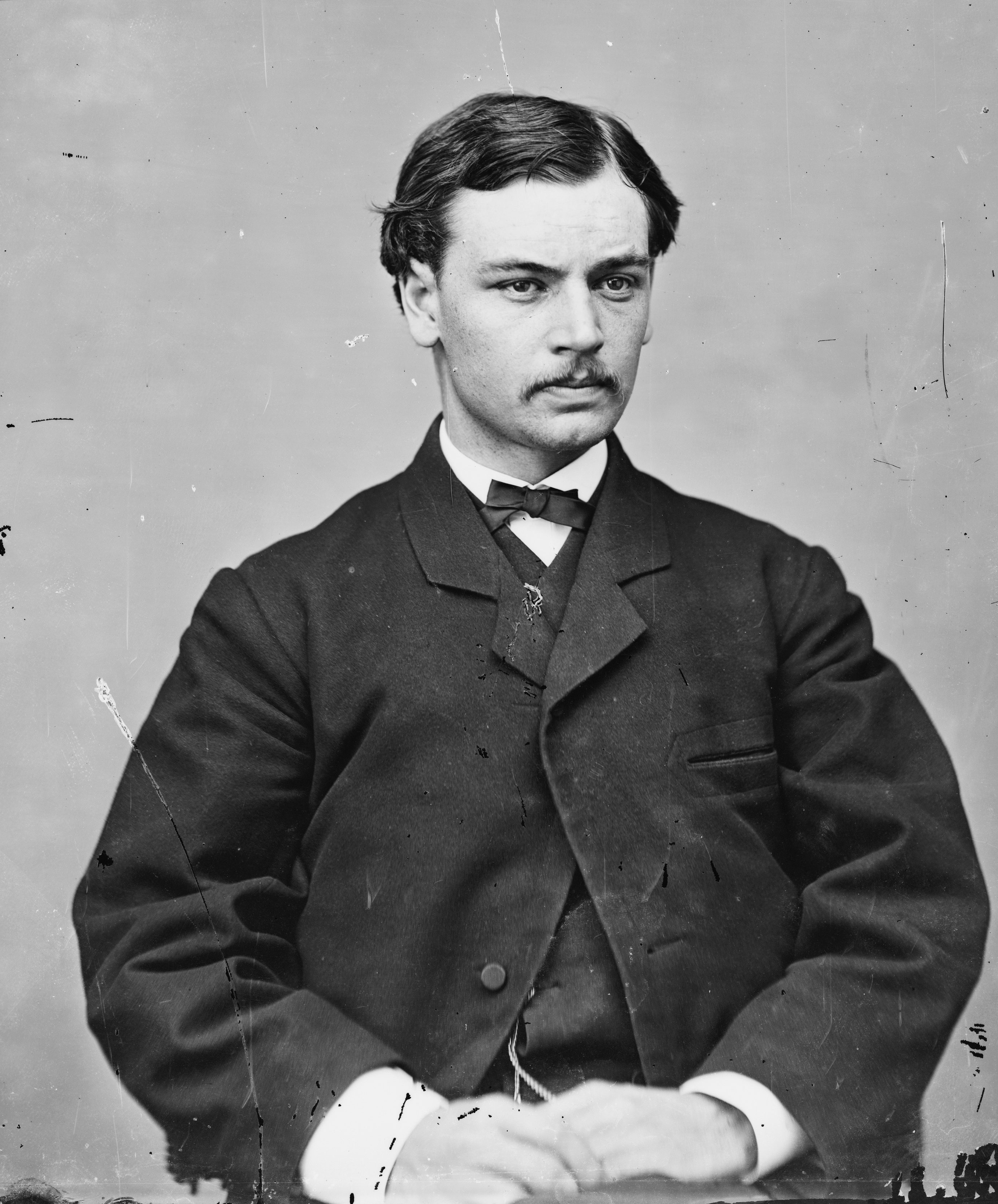
uspresidentialhistory.com
But the Photo-Secession movement turned this concept on its head. It wasn’t a new medium but it was a new way to use an existing medium, similar to how people use phones for so much more than making calls these days. The group pioneered the idea of making photography creative to convey emotion and meaning. This might be by the setting the photographer used, using new perspectives (like photographing someone from behind or above). These don’t sound like major innovations, but you get a sense of the difference when you compare typical portraiture to the portraits made by this group.
Gertrude Käsebier was one of the photographers in this movement. If you look at her 1903 photograph, Josephine (Portrait of Miss B), you notice certain elements an earlier photographer would have avoided, like the shadows on the subject’s face and her expression, the looseness of her hairstyle, and the artistic but not formal dress.

Archive.org
I think both photographers did a good job at capturing the subject’s personality. You get a sense of Robert Lincoln’s intensity and fastidiousness. Käsebier’s subject looks wary and watchful, like a frightened animal who will spring away if you get too close to her. I’m not sure I’d trust her either.
We’ve covered many images produced by Stieglitz, Käsebier, Frank Eugene and other photographers who were part of the Photo-Secession movement. Now that we know what their goal was, we can evaluate them based on their own standards.
Not every image was a portrait. Take a look at this 1908 photograph by Guido Rey. He called it The Letter. What do you make of it?
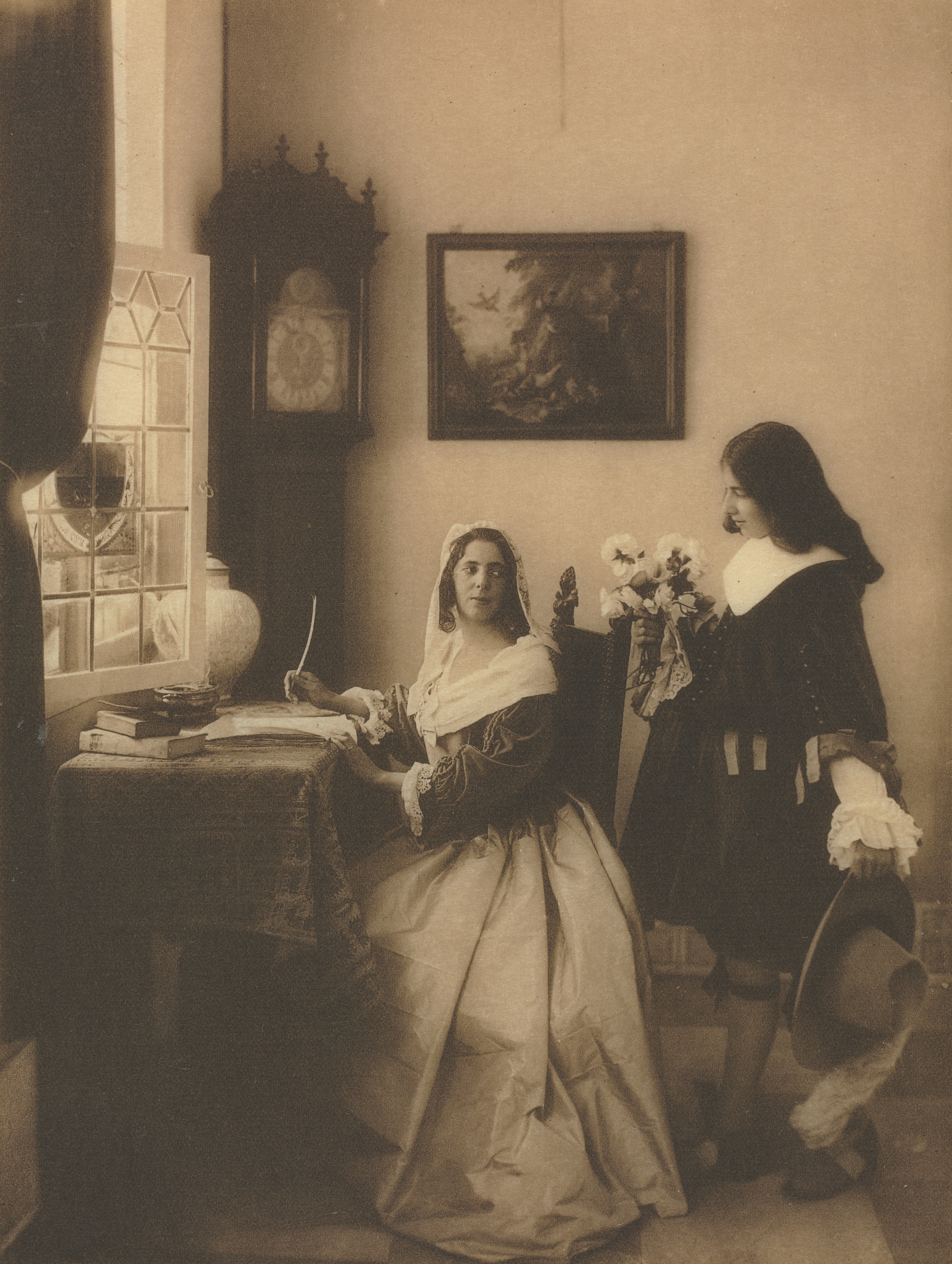
Archive.org
Here’s one more picture I thought was particularly beautiful. Joseph T. Keiley took this photograph in 1907 and called it Lenore.

The Cleveland Museum of Art
Have a lovely Friday everyone!


Circa 1840, when photography was in it infancy, photographers offered portrait photography of deceased family members. It was referred to as Post-Mortem photography. Some live relatives posed next to the corpse.
LikeLiked by 3 people
did you see the movie the others with Nicole Kidman? There is quite a sub plot about postmortem photography, good movie!
LikeLiked by 1 person
I’ve seen that one, it’s a creepy film!
LikeLiked by 1 person
We did one Old Spirituals post about that back in 2017. It’s very sad so view at your own risk! https://oldspirituals.com/2017/05/04/victorian-memento-mori/
LikeLike
Lenore is a beautiful photograph. It’s very much like a painting. Those post mortem photographs were so sad and many times of children.
LikeLiked by 3 people
It is beautiful! Did you notice the peacock feathers ?
LikeLike
I loved the Kasebier
photograph. Good description of the girl!
LikeLiked by 1 person
Pingback: The Short, Crowded Life of Joseph Turner Keiley | old spirituals