Musical Accompaniment: Agua by Jarabe de Palo
Olive Craddock was born in Calcutta on January 22, 1894. She was born to English parents and was considered a British subject since .she was born in the Crown’s dominion. I investigated this just a little further and found an Indian child born in Calcutta in 1894 would also be considered a British subject. That’s fascinating. I can’t imagine how that worked. A child born in Madrid to Spanish parents is a Norwegian subject? A child born in Alberta to Canadian parents is a Turkish subject? It’s a strange idea.
Anyway this particular British subject took up dancing at an early age and adopted the stage name Roshanara. On March 23, 1917, she was photographed by the great Arnold Genthe.
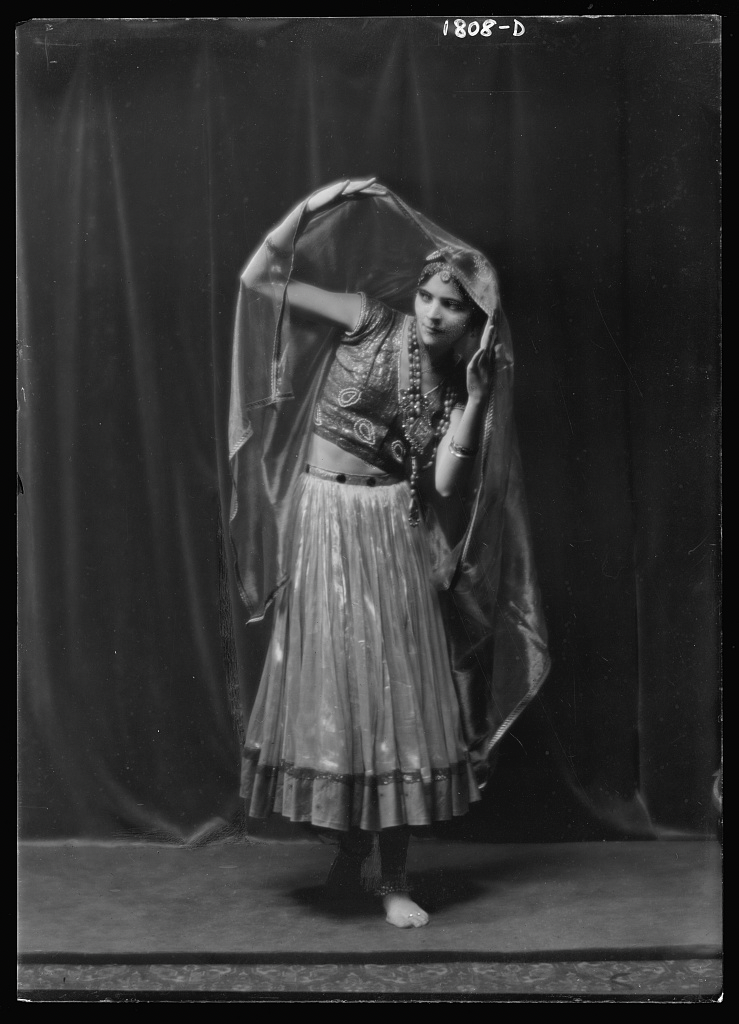
LOC
Olive Craddock died in Asheville, North Carolina on July 14, 1926. She was 32 annd her death was due to appendicitis. There’s something gut wrenching about a young talented person dying like that.
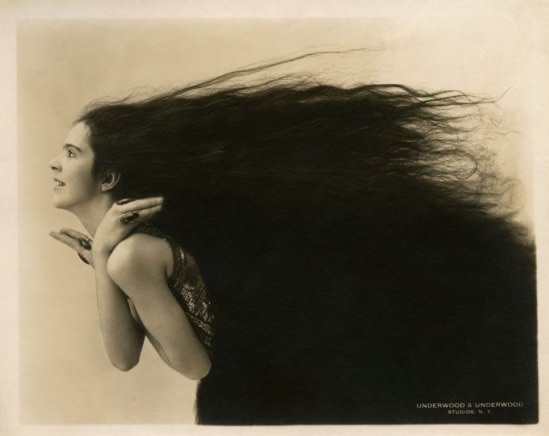
One more terrific photograph of Roshanara!
wikimedia
 old spirituals
If both (possibly even if one) of Olive Craddock’s parents were citizens of Great Britain when she was born in India, it is not illogical for their child, even though born in another country, to be declared a citizen of Great Britain.
Italy, until very recently, granted citizenship to the children of an expatriate father or mother if one of the parents had NOT renounced their Italian citizenship at the time of the child’s birth. Citizenship bestowed in that manner passed down through generations.
Thousands of 3rd and 4th Generation Americans of Italian decent have dual citizenship based on that principle, even if the expatriate was a great-great grandfather. In the case of Italian citizenship, the process was much easier through the paternal line versus the maternal line. That succession of citizenship was recently ruled by Italian superior courts to violate a 1912 law, so all future generations are no longer entitled to succession citizenship.
Italian citizenship granted in such a manner is called “Jus sanguinis,” which translates from Latin as “right of blood.”
LikeLiked by 1 person
It’s not as weird for Olive Craddock since her father (or maybe both parents) were from there. But it’s quite strange for the people who were native to India and had never been there to be declared British subjects.
LikeLike